



Q&A: Jarod Varner, Executive Director/CEO at Rock Region METRO
In the summer of 2013, Jarod Varner was named executive director and CEO of Rock Region METRO — the central Arkansas-based public transit system serving three million passengers per year via fixed-route bus service, streetcar, and paratransit service.
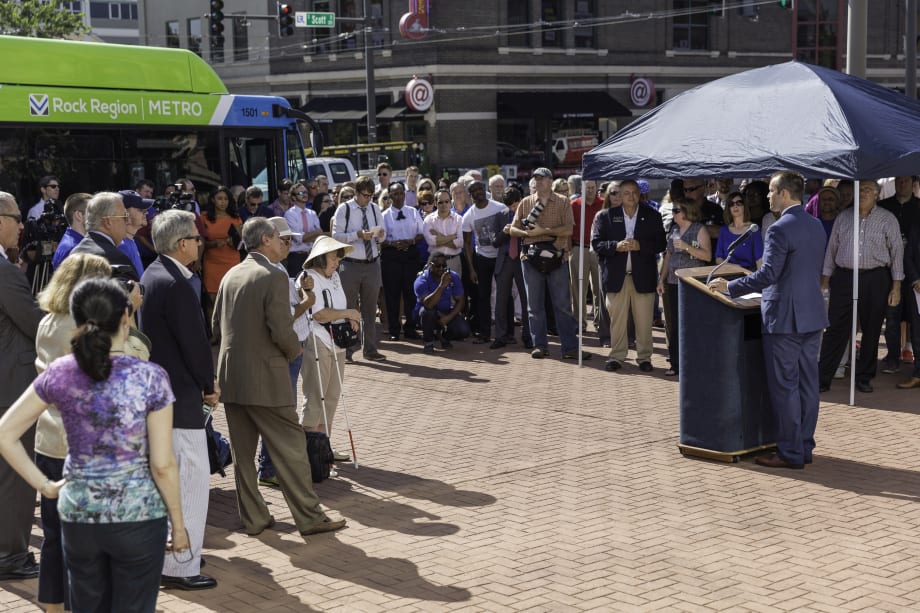
As a small urban city surrounded by rural communities, rebranding the system with the Rock Region METRO name has added to the Greater Little Rock area’s city living appeal, Executive Director/CEO Varner says.
As a small urban city surrounded by rural communities, rebranding the system with the Rock Region METRO name has added to the Greater Little Rock area’s city living appeal, Executive Director/CEO Varner says.
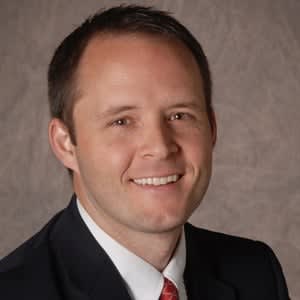
In the summer of 2013, Jarod Varner was named executive director and CEO of Rock Region METRO — the central Arkansas-based public transit system serving three million passengers per year via fixed-route bus service, streetcar, and paratransit service. Varner began his public transportation career with the Denton County Transportation Authority located in Lewisville, Texas, and held a number of positions within the organization including VP and COO. He currently serves on the board of directors for Metroplan, the Downtown Little Rock Partnership, the North Little Rock Chamber of Commerce and the Sherwood Chamber of Commerce, as well as the Governor’s Commission on People with Disabilities. On the national level, Varner serves on the board of directors for APTA.
Your agency underwent a rebranding a couple of years ago, what impacts have you seen since its implementation?
The primary reason we engaged in a rebranding was to not only launch our bus service improvement plan but also remind central Arkansans that they have a great asset in our public transit system. Because the rebranding directly involved stakeholders outside the agency as well as within, the resulting name and brand was an instant community-wide hit. As a small urban city surrounded by rural communities, the Rock Region METRO name has added to the Greater Little Rock area’s city living appeal. Residents who have never used our system have expressed pride in the modern, clean look of the brand, and that pride has extended to our board, staff and riders as well. With the supporting launch of our redesigned rrmetro.org website and METROtrack mobile app in early 2016, the METRO brand communicates a major change in the service we are delivering to our community. We hope the takeaway is: If we can implement these innovative tools and improve the customer experience with a small staff and limited resources, just think what we can do with more investment.
Rock Region Metro is making another attempt to secure dedicated funding via a ballot initiative. What were some lessons learned from the first experience?
While our March 1, 2016 ballot initiative was unsuccessful, getting the initiative in front of the voters was a major accomplishment and METRO’s advocates have started the process to make another attempt at dedicated funding. The primary lesson learned centers on the need to cultivate advocates and a base of support well in advance of a campaign. Prior to the campaign, transit advocacy was fragmented and very limited due to the fact that a transit funding initiative hadn’t been attempted for over a decade. A non-profit organization focused on supporting transit as well as bike and pedestrian needs is being formed well in advance of the next campaign and will continue in perpetuity to support alternative modes of transportation. We also learned that issues like ours are easily lost during a primary or general election; therefore alternative timing will need to be considered. Finally, we’ve learned that it takes tremendous resources to mount a successful campaign. Lining up donor support well in advance of the campaign will need to be a focus in the future.
If you are able to secure dedicated funding, what is on the top of the list to achieve?
The MOVE Central Arkansas strategic plan, completed in 2015, provides a vision for Rock Region METRO that addresses service improvements and supports central Arkansas’ efforts to provide a dynamic, desirable place to live, work and play. MOVE Central Arkansas focused on three key areas: service expansion and improvements, comprehensive and consistent branding and exploring funding opportunities to support the former. Dramatically increasing the level of service offered throughout our service area was our primary focus. The plan includes new routes, increased frequencies on existing routes, later service and improved weekend hours. While we’ve invested heavily in improving the customer experience through modern branding, new buses, new passenger shelters and mobile technology, without dedicated funding, we’re unable to deliver what our communities need most — excellent levels of service.
Discuss your agency’s move to alternative fuels and CNG vehicle purchase.
The agency and our funding partners struggled for many years to decide on a CNG transition plan. In 2014, we were able to assemble funds from all levels of government through a public-private partnership to fund a $2.1 million CNG station. Securing funds for the station set in motion a major CNG bus acquisition in 2015 that allowed the replacement of 25 percent of the fixed-route fleet and a unique opportunity to launch the Rock Region METRO brand with a community kickoff event. METRO is committed to fully transitioning the fleet to CNG over the next eight years as buses are replaced. As Arkansas is a state rich in natural gas, this was a win-win move to establish a cleaner-burning fuel source that doesn’t have to travel far to reach its destination here in The Natural State.
Provide an overview of the River Cities Travel Center TOD planning initiative; what’s involved?
The River Cities Travel Center is METRO’s primary passenger transfer facility/hub and is located in the heart of Little Rock. Significant redevelopment is occurring in the area and we are interested in joint development opportunities in which private partners would be engaged to enhance the RCTC facility for customers, visitors, and nearby residents. Planning for the project begins on the heels of a community visioning project in which METRO partnered with prominent institutions to be the host site for the annual 2016 Pop Up in the Rock. The “Better Block” urban redevelopment event reimagined the facility with bus rapid transit service, retail space, and wayfinding signage. Our intent is to leverage the Pop Up exposure to begin a community dialogue concerning a new vision for the facility. Later this year we will engage a transit oriented development consulting team to take the community’s vision, produce development concepts, and package bid documents for developer consideration. We anticipate the resulting development to bring a mix of uses, increase ridership, and generate revenue to further improve services.
Your operation recently implemented a route assessment; what were some takeaways and how will this improve the service going forward?
The completion of MOVE Central Arkansas lead directly to the changes our team implemented in 2016. While the MOVE plan focused heavily on major service improvements, it also included low-cost route modifications, which became our focus following the ballot loss. Additionally, planning was aided by greatly enhanced data from our new automatic passenger counting (APC) system. We found that data driven recommendations and a robust public involvement process paved the way for fairly smooth service changes. The APC data allowed staff to surgically remove unproductive sections of routes and reinvest resources where demands were not being met. The 16 routes affected by the service changes are now a bit more direct and frequent.
Besides funding, what is your agency’s greatest challenge and how are you trying to overcome it?
METRO’s greatest challenge is the continued lack of appreciation for the many benefits of transit by many in our community. Here in The South especially, many communities have not invested in transit or do not invest in systems beyond providing a base level of service to the most vulnerable populations. As a result, there can be a hard-to-shake stigma where transit is concerned. We have found that providing basic education on our service footprint to key audiences, such as neighborhood associations, schools, business organizations, community service providers, major employers, and health institutions has made in-roads on how transit use is perceived and has fostered more public consideration of our transportation infrastructure and land use needs. As many Arkansans age and need more mobility options and as young talent is attracted to the home of Walmart, Stephens Inc., Dillard’s, Tyson, and more, multi-modal transportation will continue to be a growing area of interest to our capital city and state.
As head of the agency, what ‘tools,’ advice or best practices have helped you do your job and move the agency forward?
Being authentic in the building of relationships with our board of directors, stakeholders, and advocates has helped to move Rock Region METRO forward. So often, executives create a know-it-all, showman façade that may generate partnerships and short-term success but lack the relational depth necessary to endure. Rather, we strive to truly understand our board of directors on a personal level. We want their ‘sweat equity’ in all of our plans, budgets and initiatives so the work we do and accomplishments we achieve are just as fulfilling to them as they are to us. Board members, stakeholders, and advocates are often busy professionals, whose time commitment is not guaranteed, but being ‘real’ with them and genuinely asking for their support and aid has proven effective.
More Management

Castro to Lead RTC of Southern Nevada and More in People Movement
In this edition, we also cover recent appointments and announcements at the STV, MCI, and more, showcasing the individuals helping to shape the future of transportation.
Read More →
STraffic Expands North American Presence with Fare Collection Technology
John Moon, Associate Director, Product Strategy at STraffic, discusses the company's growth in North America, its efforts to reduce fare evasion, and more.
Read More →
Study: Denver RTD Generates $2.1 Billion in Annual Economic Activity
An economic impact study finds the agency supports approximately 17,500 jobs, delivers $1.6 billion in annual community and mobility benefits, and generates $2.42 in economic value for every dollar invested.
Read More →
Mark Aesch Nominated to Lead Federal Transit Administration
The former Rochester transit chief and TransPro founder, who has also contributed to METRO Magazine, brings decades of industry experience and a focus on performance, accountability, and financial sustainability to the nomination.
Read More →
Best and Worst U.S. Cities for Public Transportation in 2026
A new analysis of 50 major U.S. urban areas ranks public transit systems based on accessibility, affordability, usefulness, and safety, highlighting where transit performs best and where challenges remain.
Read More →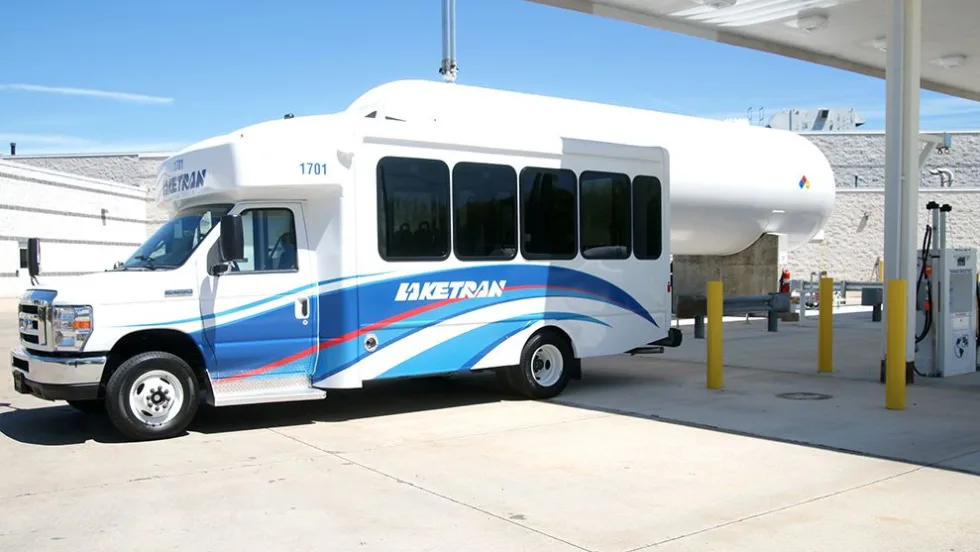
Laketran Cuts Fuel Costs, Boosts Efficiency with Propane-Powered Fleet
The Ohio transit agency is using propane-powered vehicles and on-site fueling infrastructure to cut fuel and maintenance costs while meeting growing demand for paratransit services.
Read More →
Canada’s Public Transit Supports $65.6 Billion in Annual GDP
New research from the Canadian Chamber of Commerce examines transit's economic contributions, including job creation and the financial implications of transportation investment.
Read More →
Pierce Transit Moves to Expand Fleet Following Proposition 1 Approval
The agency authorized the purchase or refurbishment of up to 60 buses to support a 47% service expansion, as voters nationwide approved billions in new transit funding.
Read More →
Right-Sizing Rural Transit: Lessons from North Grenville’s On-Demand Model
A small municipality shows how flexible service, rider needs, and public accountability can expand mobility with limited resources.
Read More →
Transit Ballot Victories Signal Strong Voter Support: What Comes Next?
Voters approved billions in public transportation investments in 2026, giving agencies opportunities to preserve service, expand operations, and strengthen regional connections amid a changing political landscape.
Read More →