
Metro Magazine

 MENU
 SEARCHMENUSEARCH
Loading data...
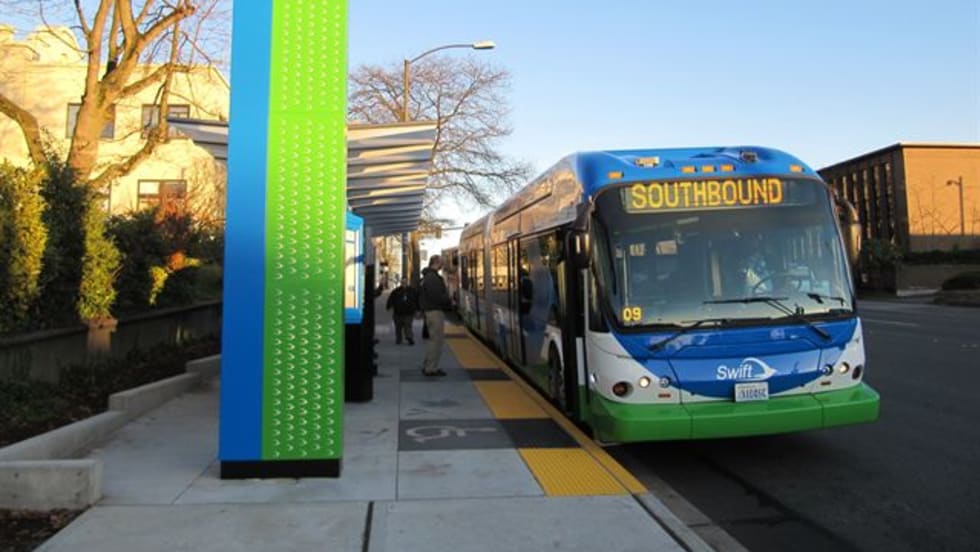
The first of four new stations were in the original plan for Swift, the agency's bus rapid transit system, which opened in November 2009, but were deferred due to funding issues.
Read More →


Community Transit based in Snohomish, Wash., launched its Buy Local for Transit campaign Thursday, a long-term effort designed to encourage people to shop in their communities, strengthening local businesses and increasing local tax revenues, which supports public transportation. Community Transit gets a majority of its funding from a voter-approved 0.9 percent sales tax within its service district. For 2010, 56 percent of its budget is funded through sales tax, with the remainder being made
Read More →As economic pressures continue to affect transit agencies, some are raising fares and initiating service cuts to keep budgets in line. In many regions, paratransit passengers face the greatest impact from service cuts as most rely on those services as a low-cost mode of transportation.
Read More →Vehicle grant program was created by Community Transit 10 years ago to meet unfilled needs for local transportation in Snohomish County. This year’s program is timed to help offset the impact of service cuts.
Read More →Gives company full control of the metropolitan Seattle market when added to its existing King County and Pierce Transit contracts.
Read More →Staff will be at each Swift station throughout the first few days of service to answer questions. Getting riders used to paying fares at the station, not onboard the bus, is expected to be the biggest challenge.
Read More →Because Everett Transit only serves residents to the city line, the new BRT line will bridge transit service across Everett and south Snohomish County, eliminating an intersection where riders literally have to get off one bus, cross the street and get on another bus.
Read More →Federal stimulus money and a regional mobility grant will help fund the $40.9 million facility.
Read More →Stations will be equipped with two ticket vending machines and two ORCA smart card readers. Passengers will pay their fares at the stations rather than on board so the buses can depart quickly.
Read More →Vehicle thefts have dropped dramatically: from 82 in 2006, the last year before the bait car program, to just 20 in 2008.
Read More →