



Community Transit to launch hybrid BRT service
Because Everett Transit only serves residents to the city line, the new BRT line will bridge transit service across Everett and south Snohomish County, eliminating an intersection where riders literally have to get off one bus, cross the street and get on another bus.
In November, Snohomish County, Wash.-based Community Transit will launch Swift, the state's first bus rapid transit (BRT) line, with a free public event.
"Swift has a very strong brand that will set it apart from other buses in our area," said Martin Munguia, public information officer at Community Transit. "The buses and the stations look very different, and are easily identifiable by the bold Swift logo."
Because Everett Transit only serves residents to the city line, the new BRT line will bridge transit service across Everett and south Snohomish County, eliminating an intersection where riders literally have to get off one bus, cross the street and get on another bus.
The Swift line will feature 62-foot New Flyer BRT hybrid buses equipped with three doors, the back two of which are plug doors, enabling extra width for simultaneous boarding and de-boarding, explained Munguia.
Meanwhile, a ramp at the front door is for passengers in wheelchairs or mobility devices. In the front securement area there are two standard forward-facing wheelchair wells where passengers can be secured with assistance from the driver. Also in this area are two rear-facing passive restraint boards, where wheelchair passengers can back up to, lock their brake and lower an armrest. These spaces require no driver assistance and are much quicker for passenger boarding.
In anticipation for the line's launch, which will include guest speakers, entertainment, information booths and refreshments, Community Transit will host several public outreach events where staff will be handing out special promotional scratch tickets that will enable winners to take a ride aboard one of the Swift buses to the public launch celebration.
The new hybrid buses will run every 10 minutes from 5 a.m. to 7 p.m. on weekdays and every 20 minutes from 7 p.m. to midnight weekdays and from 6 a.m. to midnight on weekends. Buses will travel a 17-mile route between Everett Station and the Aurora Village Transit Center in Shoreline, primarily along Highway 99.
The line will only stop at Swift stations that have been constructed along the route. There are 24 Swift stations, and buses will only make 12 stops in each direction.
Additionally, passengers will not pay their fare onboard Swift, instead using ticket vending machines or ORCA smart-card readers located at the stations to pre-pay before boarding. Bike racks are also located onboard the Swift buses.
"Seven miles of the route in south Snohomish County have transit lanes, which are reserved for buses or cars making right-hand turns. The City of Everett is exploring the feasibility of transit lanes in the northern part of the route," added Munguia. "Also, 10 miles of the route are equipped with transit signal priority (TSP) technology, enabling a longer green light for an approaching Swift bus. The remainder of the route will have working TSP within a year."
The construction of the Swift line came in at $29.5 million - $2.5 million under budget. Fifty percent of Community Transit's capital costs - buses and stations - are funded through a combination of state and federal grants and a partnership with Everett, while more than 90 percent of the operating costs for the first three years of service (2010-12) will be paid by state grants, partnerships and fares. All of this adds up to good news for Community Transit since, like most agencies, it is suffering from funding issues.
"Without this arrangement, it would have been nearly impossible for us to launch this new service at this time," added Munguia.
More Bus

Improving Transit Safety and Reliability Through AI
Hayden AI’s Chief Growth Officer, Charley Territo, discusses how AI-powered camera enforcement is helping transit agencies keep bus lanes and stops clear, improve accessibility, and move from pilot programs to full-scale deployments.
Read More →
Castro to Lead RTC of Southern Nevada and More in People Movement
In this edition, we also cover recent appointments and announcements at the STV, MCI, and more, showcasing the individuals helping to shape the future of transportation.
Read More →
Study: Denver RTD Generates $2.1 Billion in Annual Economic Activity
An economic impact study finds the agency supports approximately 17,500 jobs, delivers $1.6 billion in annual community and mobility benefits, and generates $2.42 in economic value for every dollar invested.
Read More →
Mark Aesch Nominated to Lead Federal Transit Administration
The former Rochester transit chief and TransPro founder, who has also contributed to METRO Magazine, brings decades of industry experience and a focus on performance, accountability, and financial sustainability to the nomination.
Read More →
Pierce Transit Moves to Expand Fleet Following Proposition 1 Approval
The agency authorized the purchase or refurbishment of up to 60 buses to support a 47% service expansion, as voters nationwide approved billions in new transit funding.
Read More →
Transit Expands Agency Partnerships, Reaching 200 Official App Partners
COO Jake Sion discusses Transit’s growth, the success of its Transit Royale program, and how technology is helping agencies improve the rider experience.
Read More →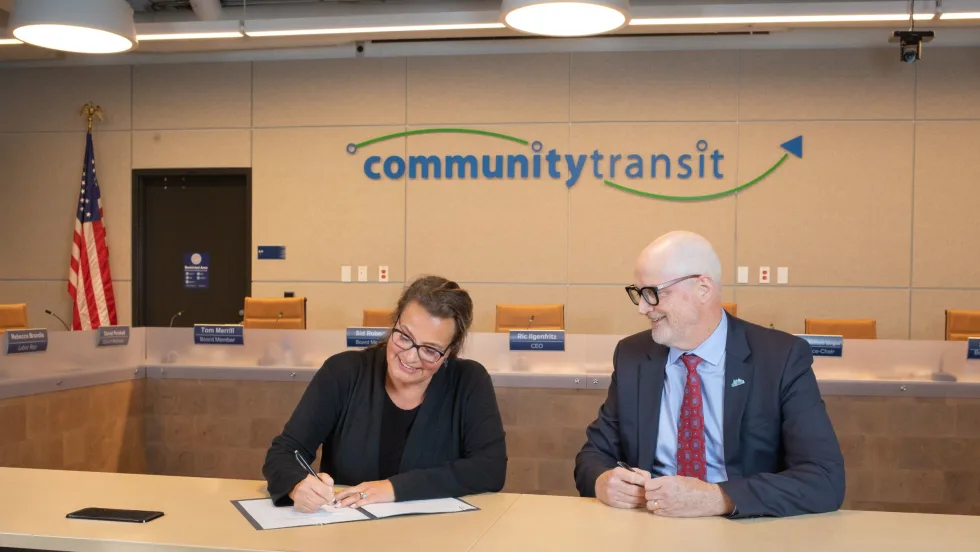
Everett Transit, Community Transit Approve Consolidation of Services
The agreement will bring Everett Transit into Community Transit’s network in April 2027, with plans to increase bus service by 50% by 2031 and expand regional connections.
Read More →
Brian Dickson on Building Stronger, More Resilient Transportation Organizations
Bus Business Consultants Founder Brian Dickson discusses the leadership principles, operational discipline, and strategic planning that separate transportation companies positioned for long-term success from those stuck in survival mode.
Read More →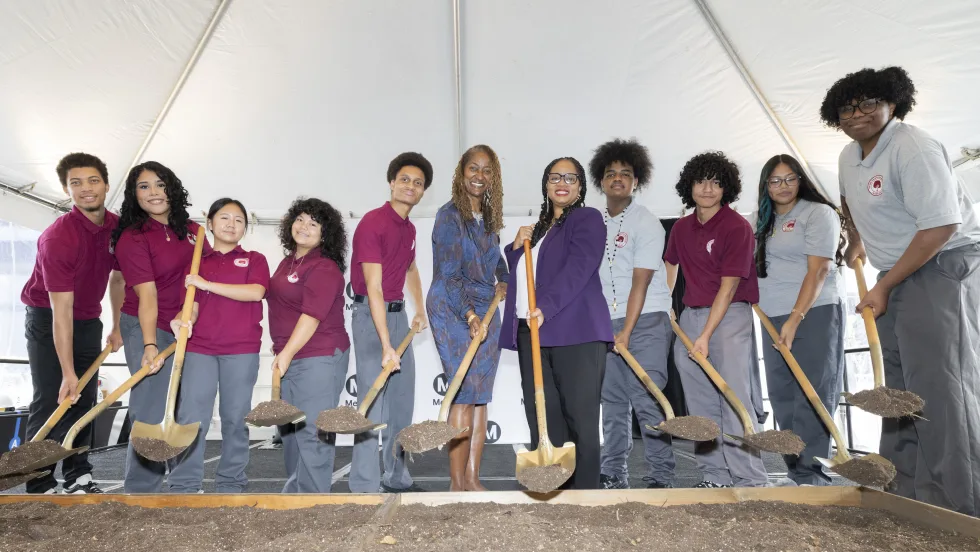
LA Metro Breaks Ground on Vermont BRT Project
The 12.4-mile corridor is projected to serve 66,200 daily riders, reduce travel times by up to 24%, and create the nation's busiest bus rapid transit corridor.
Read More →
Roman Cornell on ABC Companies’ Evolution and the Future of Passenger Transportation
The company’s CEO discusses carrying forward a third-generation family legacy, ABC’s continued evolution in passenger transportation, support for increasingly complex fleets, and how technology and continued investment could help operators improve uptime.
Read More →