
Metro Magazine

 MENU
MENU SEARCHMENUSEARCH
Loading data...

The plan proposes a reformed business tax structure that would add significantly to federal revenues and increase funding for transportation by an average of about 38% per year.
Read More →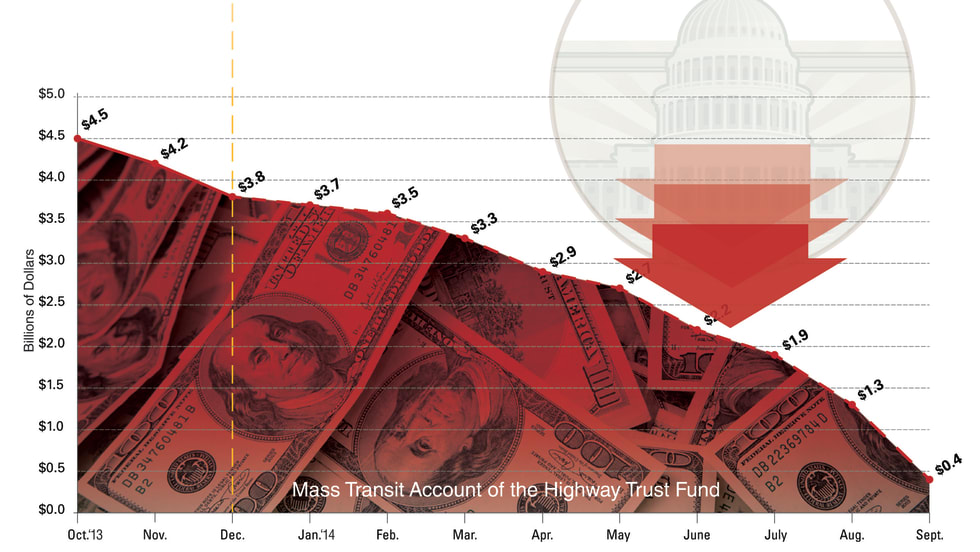


Fund slated to run out of money by September, with the current surface transportation bill, MAP-21, expiring in October.
Read More →Our private sector organizations need to tell their story, forcefully, about the jobs and the lost business activity at stake if contracts are cancelled, delayed or suspended.
Read More →While there are some new solutions for funding a bill when MAP-21 expires being mentioned, there is still no mechanism, new or old, gaining bipartisan favor. Meanwhile, the fractious climate on Capitol Hill makes reaching an agreement even more difficult.
Read More →The funds are intended to encourage more widespread adoption of reliable “green energy” buses into transit fleets.
Read More →Will focus on the changes made to the program in MAP-21 and highlight the expansion in available project eligibility and growth in grant applications.
Read More →The administration needs to understand that these and many other actions contradict the president’s repeatedly stated desire to see public transportation grow and be part of needed economic change in the U.S.
Read More →Despite the growing demand for new rail investments, the strength of federal support will depend on new revenues. Meanwhile, strong local funding continues and private interest increases.
Read More →Would expand the program for interested states, implementing a key provision of MAP-21. The public is invited to submit its comments through www.regulations.gov during the 60-day public comment period, which will expire on Oct. 29, 2013.
Read More →The hearing, entitled “How the Financial Status of the Highway Trust Fund Impacts Surface Transportation Programs,” is scheduled to begin at 10:00 a.m. on Tuesday, July 23, 2013 in 2167 Rayburn House Office Building.
Read More →