
Metro Magazine

 MENU
MENU SEARCHMENUSEARCH
Loading data...
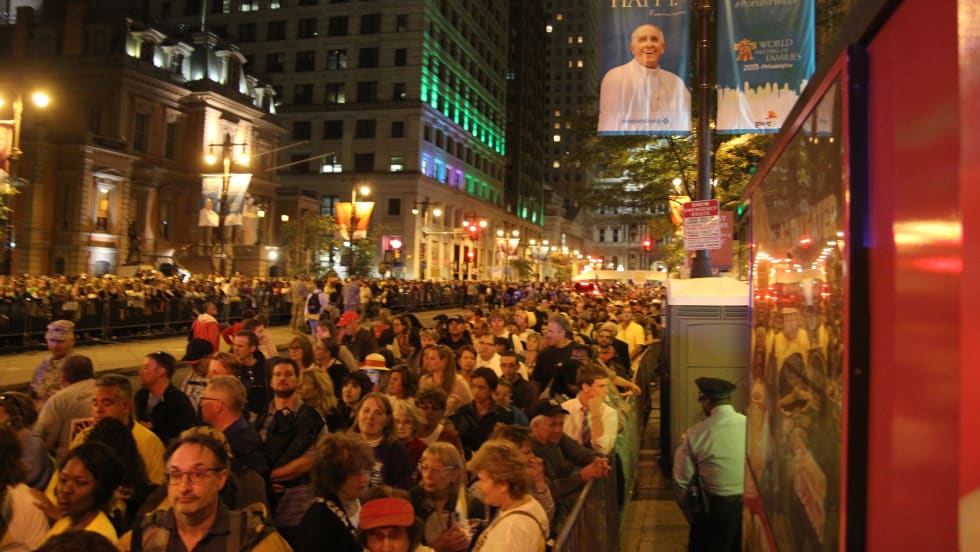
In case you missed it, Pope Francis visited America — and was followed by hundreds of thousands of pilgrims during his stops in Washington, D.C., New York City and Philadelphia. It’s fitting, given Pope Francis’ penchant for public transportation, that transit played a key role in taking the masses to papal visit activities.
Read More →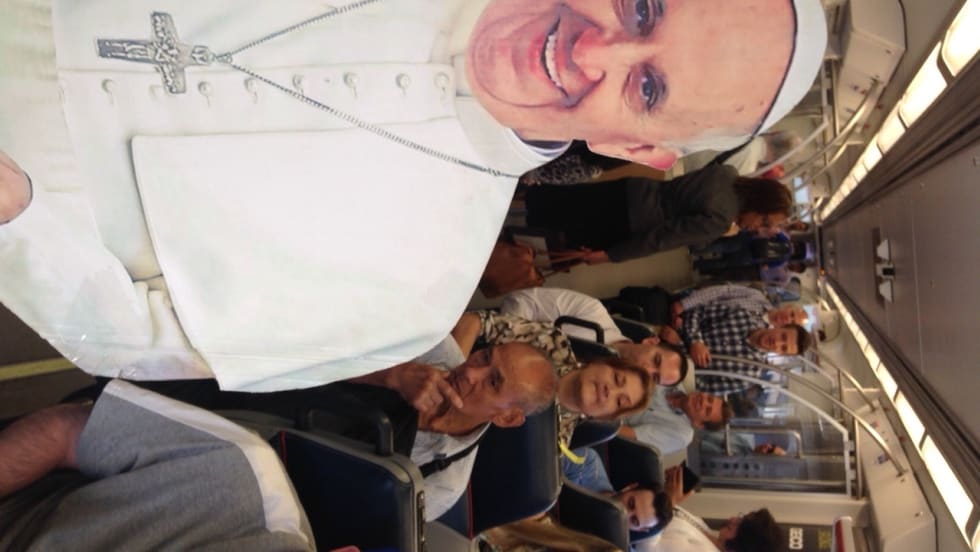
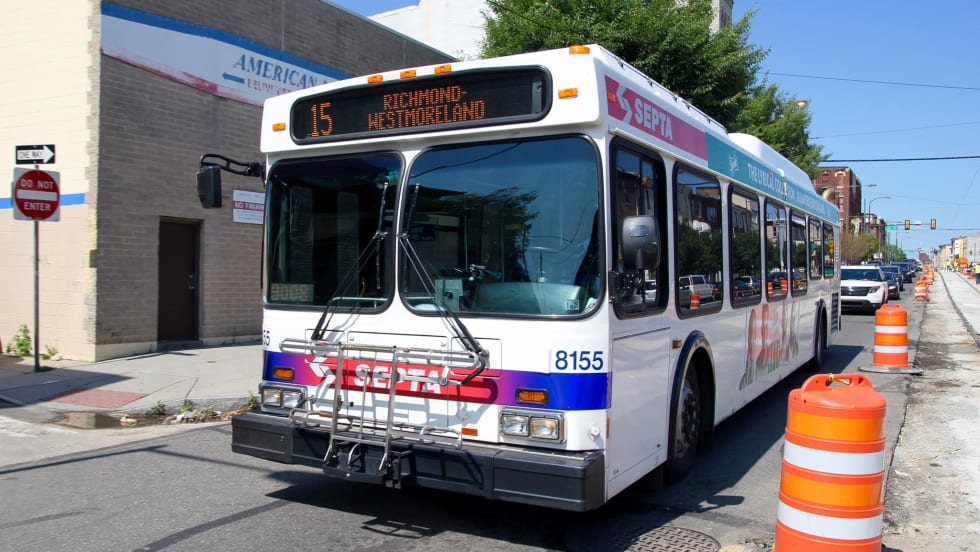
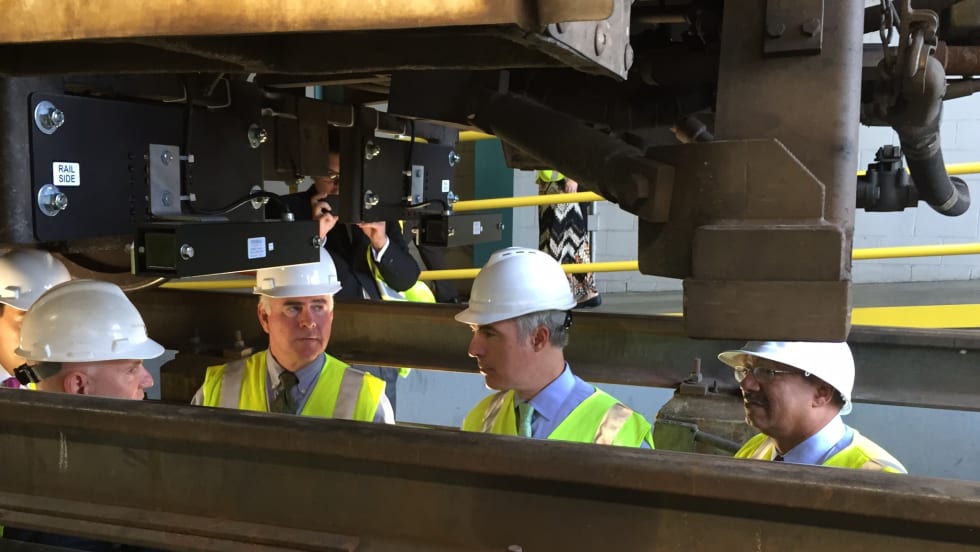
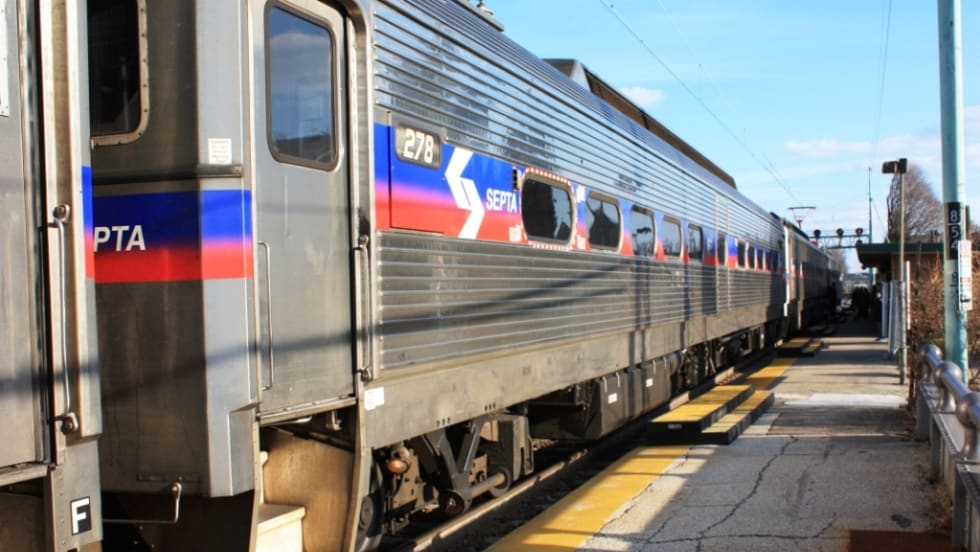
Typically, when riding the rails in the Philadelphia region, Southeastern Pennsylvania Transportation Authority customers can purchase daily, weekly or monthly passes — even onboard tickets — for their journeys. But the weekend of Sept. 26 to 27 will be far from a typical weekend in Philadelphia — Pope Francis will be in town, along with an estimated 1.5 to two million people attending public events along the city’s Benjamin Franklin Parkway.
Read More →Transit authority operators nationwide have been victims of sometimes brutally violent acts, but in Philadelphia, the Southeastern Pennsylvania Transportation Authority has had a decrease in bus operator assaults by almost 60% since 2011. How did they do that?
Read More →Joseph M. Casey, who has led the Authority since 2008, has been with SEPTA for a total of 34 years of distinguished service in a number of roles, including serving as the CFO and Treasurer.
Read More →While PTC may have just recently entered the consciousness of the public at-large, it has been an issue for freight and commuter rail systems since Congress passed the Rail Safety Improvement Act (RSIA) (P.L. 110-432) in 2008 following the collision between a Metrolink commuter train and a Union Pacific freight train in Los Angeles. Since that time, rail organizations have been working toward meeting the federally-mandated PTC implementation deadline of December 31, 2015. With less than six months to go, several commuter rail systems have said that, not only will they not meet the deadline, they will need several more years before having full PTC implementation on their trains.
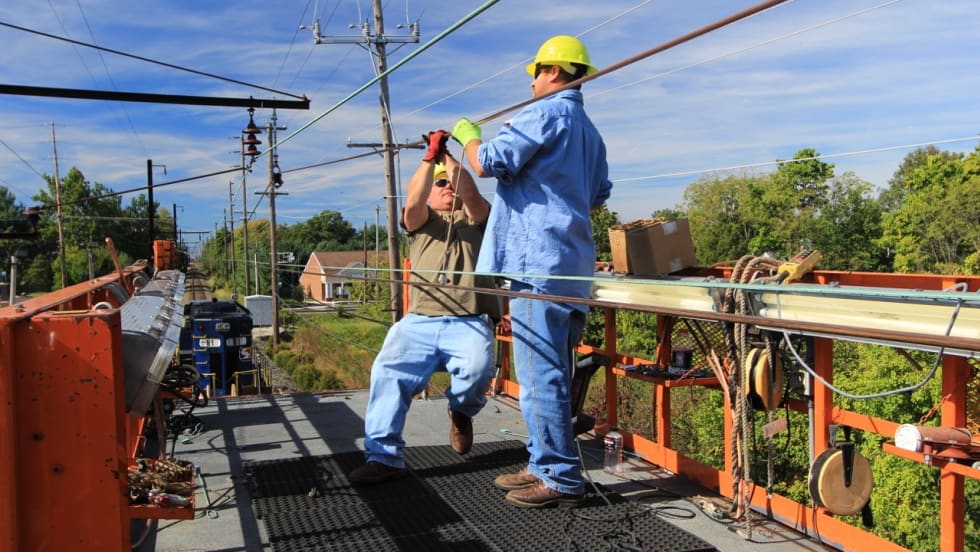
Read More →The Southeastern Pennsylvania Transportation Authority’s Regional (commuter) Rail system was inherited from the Pennsylvania and Reading Railroads and the infrastructure in many sections of the system has been serving the Philadelphia area for more than 100 years. Fifteen years ago, overhead catenary system (OCS) failures were a common occurrence on SEPTA Regional Rail, a result of fatigue cracks and wear. The all too common OCS failures were frustrating for SEPTA customers who occasionally found it difficult to depend on train service for their travels and for SEPTA, whose crews were constantly working to repair and maintain the system.
Read More →Seeing a canine passenger on mass transit is not uncommon, but the reasons why a dog might catch the train or hop a bus are varied (remember Eclipse, the Seattle Lab mix that uses the bus, often on her own, to get to the dog park?). Most public transit pooches are working —as K-9 officers or service animals. In the Philadelphia region, other animals — in approved carriers only—are permitted to ride the Southeastern Pennsylvania Transportation Authority’s buses, trains and trolleys. However, a new pilot program underway by SEPTA allows registered therapy dogs volunteering at two Philadelphia hospitals to use two designated bus routes to travel to their sites.
Read More →Around the world, artwork of all forms adorns transportation centers, stations and bus shelters. While many of these statues, paintings, mosaics and sculptures are permanently installed as part of a station’s architecture, transportation organizations can use their spaces for art exhibitions that not only make transit hubs more aesthetically pleasing for commuters, but also inspire budding artists. The Southeastern Pennsylvania Transportation Authority (SEPTA) recently partnered with two organizations to showcase the artistic talent of youth from the Greater Philadelphia region and around the world.
Read More →Will Entriken, a software developer, was frustrated by late arrival times. The app provides what he says are more realistic arrival times than the agency’s published schedule.
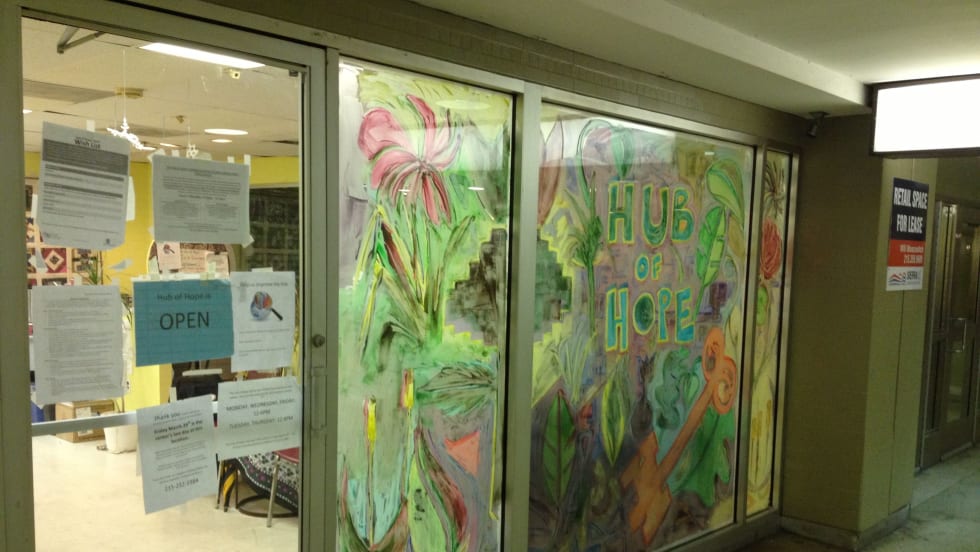
Read More →When the frigid weather makes it too hazardous to stay outside, many homeless seek shelter in train stations, bus depots and other public facilities. SEPTA has partnered with an organization that works to end homelessness to create the "Hub of Hope," which offers a variety of services and housing, especially for those experiencing long-term street homelessness.
Read More →