




RELATED: [Video] Sen. Barbara Boxer discusses benefits of PTC
Challenges of Positive Train Control Implementation
While PTC may have just recently entered the consciousness of the public at-large, it has been an issue for freight and commuter rail systems since Congress passed the Rail Safety Improvement Act (RSIA) (P.L. 110-432) in 2008 following the collision between a Metrolink commuter train and a Union Pacific freight train in Los Angeles. Since that time, rail organizations have been working toward meeting the federally-mandated PTC implementation deadline of December 31, 2015. With less than six months to go, several commuter rail systems have said that, not only will they not meet the deadline, they will need several more years before having full PTC implementation on their trains.
July 22, 2015
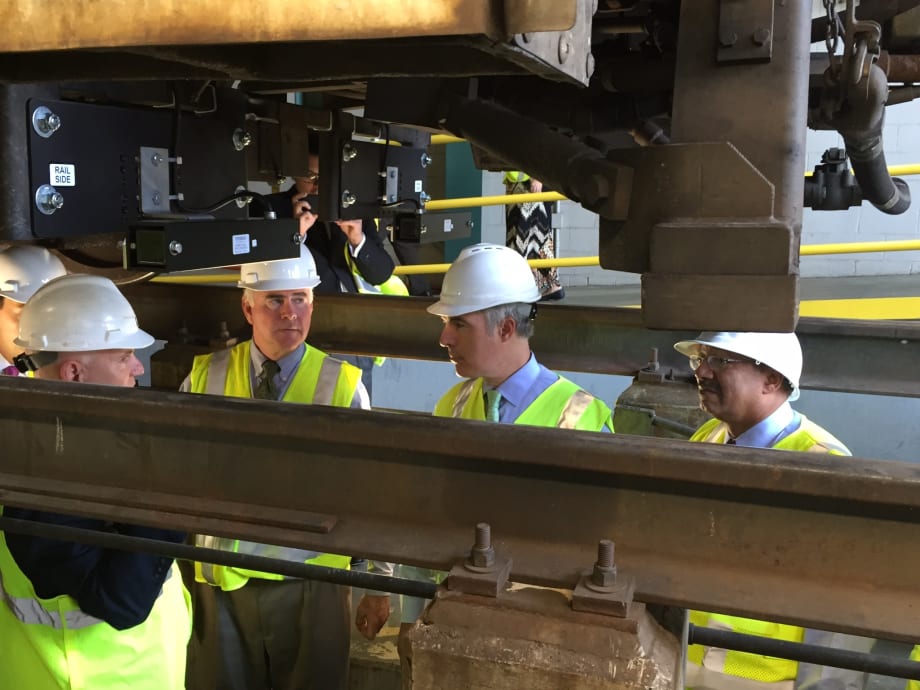
U.S. Senator Casey and U.S. Reps. Ryan Costello, Pat Meehan and Chaka Fattah touring SEPTA’s PTC testing facility. Photo: SEPTA
4 min to read
U.S. Senator Casey and U.S. Reps. Ryan Costello, Pat Meehan and Chaka Fattah touring SEPTA’s PTC testing facility. Photo: SEPTA
The derailment of Amtrak #188 opened an intense national public dialogue on rail safety and Positive Train Control (PTC): What is PTC? Would it have prevented the Amtrak accident? What are rail systems doing to make their networks safe? Will the December 31, 2015 deadline be met?
While PTC may have just recently entered the consciousness of the public at-large, it has been an issue for freight and commuter rail systems since Congress passed the Rail Safety Improvement Act (RSIA) (P.L. 110-432) in 2008 following the collision between a Metrolink commuter train and a Union Pacific freight train in Los Angeles. Since that time, rail organizations have been working toward meeting the federally-mandated PTC implementation deadline of December 31, 2015. With less than six months to go, several commuter rail systems have said that, not only will they not meet the deadline, they will need several more years before having full PTC implementation on their trains.
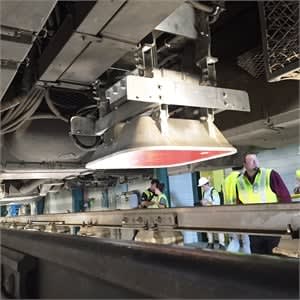
Image of scanner antenna that is underneath the train.
The Southeastern Pennsylvania Transportation Authority (SEPTA) is working hard to meet the PTC mandate. “The safety enhancements offered by PTC are critically important for the safe operation of SEPTA’s Regional [commuter] Rail system,” said SEPTA General Manager Joseph M. Casey. “Barring any unforeseen technical challenges or concerns that arise during testing, we will be in full compliance by the deadline. It will be a photo finish, but we will make it.”
When completed, SEPTA will have made a capital investment of $328 million and committed years of intense work to upgrade signals, communication systems and vehicles to implement a viable and reliable PTC system across its 230-mile Regional Rail network.
The Authority shares almost 81 miles of track with four freight lines. Three of SEPTA’s 13 Regional Rail lines operate on Amtrak-owned track. Because a significant portion of SEPTA’s commuter rail system operates in Amtrak territory, the Authority is installing Amtrak’s PTC technology – Advanced Civil Speed Enforcement System (ACSES). Adopting ACSES, however, presented SEPTA with an additional challenge on its West Trenton Line, which uses CSX track. CSX is installing IETMS, an entirely different PTC technology that is not compatible with ACSES. To resolve this major impediment, SEPTA and CSX agreed to physically separate their operations — SEPTA is constructing its own track through CSX territory on the West Trenton Line. This additional PTC-related project costs $28 million and is partially funded with $10 million in federal TIGER Grant funding. Construction is expected to be completed by mid-August 2015.
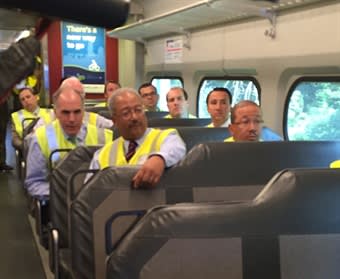
U.S. Senator Casey and U.S. Reps. Ryan Costello, Pat Meehan and Chaka Fattah riding SEPTA's test train. Photo: SEPTA
To meet the December 31, 2015 PTC deadline, SEPTA doubled its ongoing interlocking modernization and Automatic Train Control (ATC) installation efforts immediately following the passage of RSIA. Using in-house forces to install ATC gave SEPTA the flexibility to simultaneously engage third-party design and construction contractors for ACSES installation. This concurrent approach to PTC implementation was not only cost-effective, it allowed SEPTA to successfully meet key PTC benchmarks while completing ATC installation in accordance with its PTC implementation plan.
Work continues on the installation of ATC/PTC throughout the SEPTA Regional Rail network and training of roadway workers, train and engine crews, vehicle mechanics, signal maintainers and dispatchers is in progress. SEPTA started modifying and testing its 359-vehicle fleet in April, beginning with its 40-year old Silverliner IV rail cars, which comprises the majority of SEPTA’s fleet. The retrofit and testing process, which has been slower in the older trains, is scheduled to be completed by November.
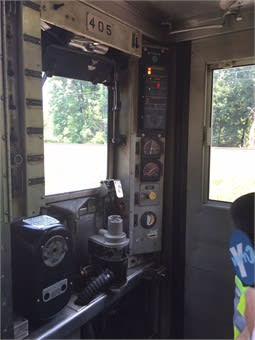
PTC equipment onboard one of SEPTA's trains.
To help lawmakers understand the work put into meeting the PTC deadline, SEPTA hosted members of Pennsylvania’s federal delegation at the Authority’s suburban Philadelphia PTC testing facility. U.S. Senator Robert Casey Jr. and U.S. Representatives Chaka Fattah, Pat Meehan and Ryan Costello were given an up close view of on-board and track-side PTC communication equipment and experienced the technology in action as they traveled along a working test track.
“There’s nothing like seeing this up close,” said Sen. Casey. “I think we all have a better understanding of what Positive Train Control means; a better sense of some of the challenges in making sure it is implemented.”
Amtrak and Metrolink join SEPTA in meeting the challenge of implementing PTC and have indicated that they too are planning to meet the deadline.
Heather Redfern is the Public Information Manager for the Southeastern Pennsylvania Transportation Authority.
In case you missed it...
Read our previous blog, "Catenary Replacement Plan Leads to 150 Miles of Success"
Subscribe to Our Newsletter
More Blog Posts
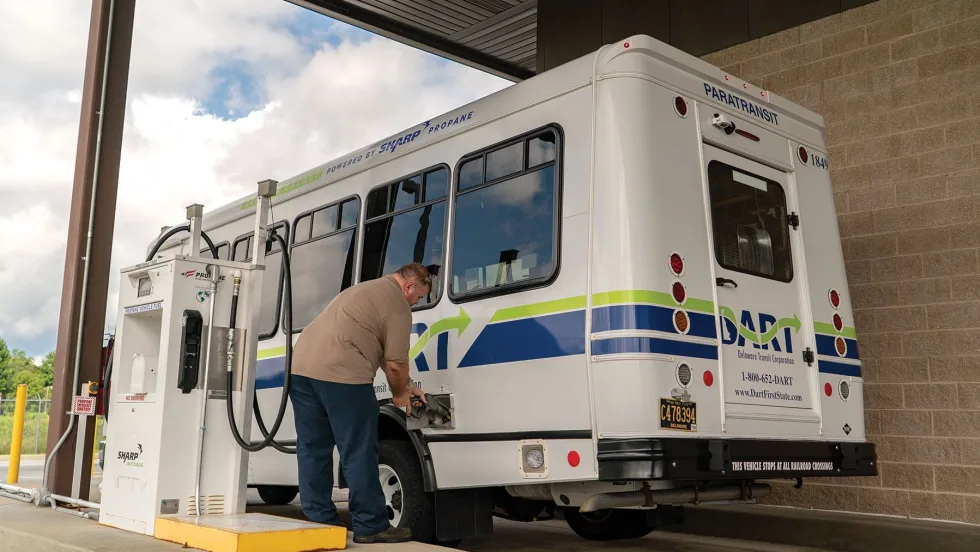
Building a Winning FTA Grant Proposal: Why Propane Autogas is the Pragmatic Choice for Fleet Resilience
With $610 million available through the FY 2026 Buses and Bus Facilities Competitive Program and the Low or No Emission Grant Program, agencies must build a compelling case before the September 21 deadline that balances environmental compliance with operational feasibility.
Read More →
Velo-city Conference 2026: Latest Trends in Cycling as Part of Urban Mobility
The global cycling conference highlighted how cities are integrating bicycles into multimodal transportation networks, expanding cycle tourism and reshaping urban mobility.
Read More →
Kindness Isn’t Soft...It’s Strategic.
Mike Bismeyer — often known as “The Kindness Guy” — has spent more than 17 years in public transit and mobility, serving in industry leadership roles, speaking across North America, and advocating for stronger workplace cultures. But his message doesn’t come from theory. It comes from lived experience.
Read More →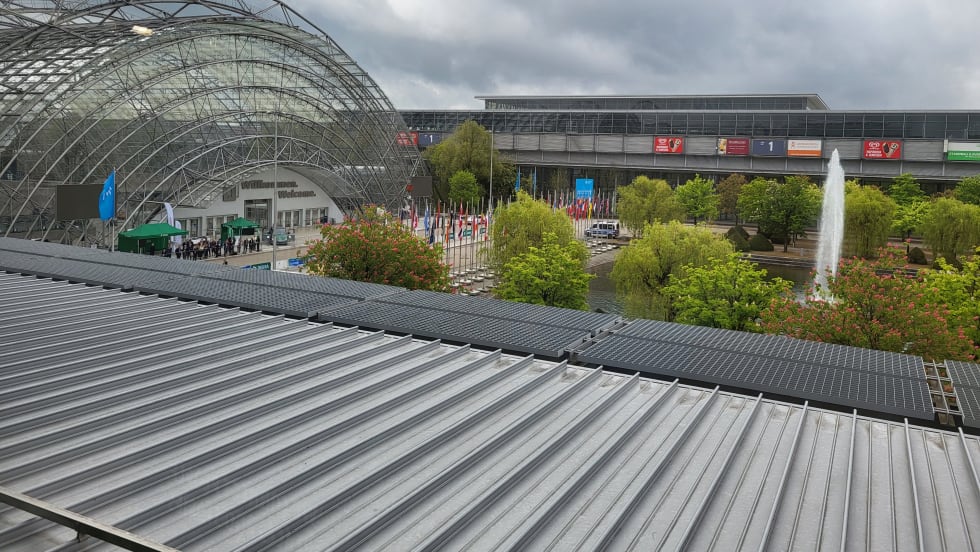
Inside ITF 2026: Transport Reacts to A Challenging World
Transport leaders from around the world gathered in Leipzig, Germany, for the 2026 International Transport Forum to discuss resilience, climate impacts, supply chains and the future of sustainable mobility.
Read More →
Every Ride Tells a Story — But You’re Not Just Selling the Ride
You’re selling the moment, the meaning, and the emotion behind it.
Read More →
How Digital Signage is Reshaping the Traveler Experience at Transportation Hubs
What was once a landscape of static signs has evolved into a responsive, immersive environment powered by real-time visual communication.
Read More →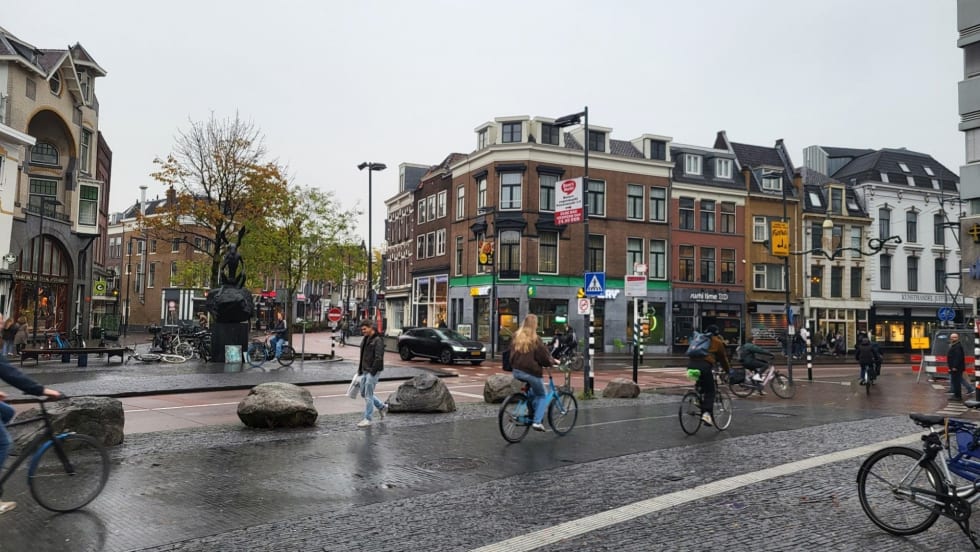
Latest Trends in Urban Mobility from Polis Conference 2025
Polis comprises cities and regions, as well as corporate partners, from across Europe, promoting the development and implementation of sustainable mobility. This year’s event had over a thousand attendees across various policy forums and an exhibition.
Read More →
Why Transit Leaders Require Better Tools for Operational Clarity In Today’s Tech-Fragmented Environment
Across North America and beyond, transit agency officials are contending with a perfect storm of operational headaches and strategic challenges that hamper daily service and long-term progress.
Read More →
The Powerless Brokers: Why California Can’t Build Transit
It is no secret that transit in the U.S. is slow and expensive to build.
Read More →
Why Transport Sustainability Should Focus on People Instead of Cars
Simply incentivizing electrification is not enough to make a meaningful impact; we must shift our focus toward prioritizing public transportation and infrastructure.
Read More →