




RELATED: Tackling Rail Maintenance 'Blitz'-Style to Minimize Down Time
Catenary Replacement Plan Leads to 150 Miles of Success
The Southeastern Pennsylvania Transportation Authority’s Regional (commuter) Rail system was inherited from the Pennsylvania and Reading Railroads and the infrastructure in many sections of the system has been serving the Philadelphia area for more than 100 years. Fifteen years ago, overhead catenary system (OCS) failures were a common occurrence on SEPTA Regional Rail, a result of fatigue cracks and wear. The all too common OCS failures were frustrating for SEPTA customers who occasionally found it difficult to depend on train service for their travels and for SEPTA, whose crews were constantly working to repair and maintain the system.
May 20, 2015
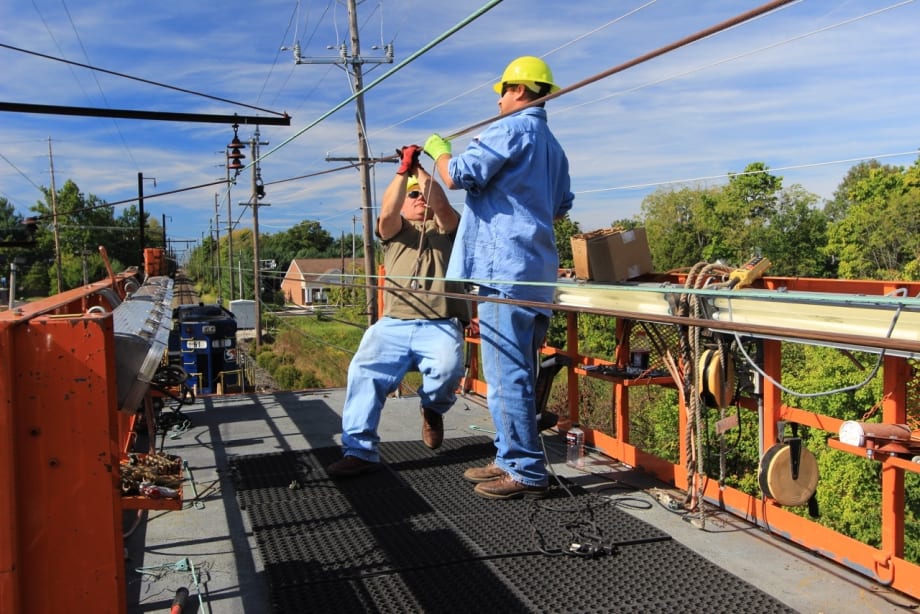
SETPA's wire train and crew at work. Photos courtesy: SEPTA
3 min to read
SETPA's wire train and crew at work. Photos courtesy: SEPTA
Maintaining just basic levels of service with an aging, and often failing, infrastructure is a challenge many legacy transportation agencies across the country struggle with on a daily basis. And, funding shortages often leave transit organizations battling to provide reliable service while identifying and making only the most needed and cost-effective repairs.
The Southeastern Pennsylvania Transportation Authority’s (SEPTA) Regional (commuter) Rail system was inherited from the Pennsylvania and Reading Railroads and the infrastructure in many sections of the system has been serving the Philadelphia area for more than 100 years. Fifteen years ago, overhead catenary system (OCS) failures were a common occurrence on SEPTA Regional Rail, a result of fatigue cracks and wear. The all too common OCS failures were frustrating for SEPTA customers who occasionally found it difficult to depend on train service for their travels and for SEPTA, whose crews were constantly working to repair and maintain the system.
“We performed an analysis of the failures and determined that the entire OCS needed to be replaced,” said SEPTA Deputy GM Jeff Knueppel. “Our crews were excellent at responding to and patching the failures, but we could not reduce their rate of incidence. Not only did we need to obtain the funding for materials and train workers for the replacement, we also needed to devise a plan that would allow us to replace the catenary while keeping the Regional Rail lines in service for our passengers.”
Fast-forward 15 years and the SEPTA Power Department is celebrating the renewal of 150 miles of overhead catenary, completing most work at night or during mid-day service outages. Five OCS lines have been completely replaced, three have been partially replaced and two will be completed over the next two years.
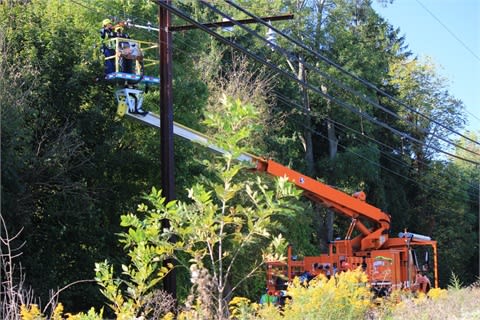
SEPTA’s failure analysis determined the project’s priorities and the work was/is being completed by the authority’s in-house forces. “Our Power Department examined the skill level of our crews and the ability of the equipment we already had to determine what we were going to need to complete the work,” said Knueppel.
Maintenance crews had electrical training and took Northeast Operating Rules Advisory Committee (NORAC) and Roadway Worker classes. A training program for lineman was also implemented.
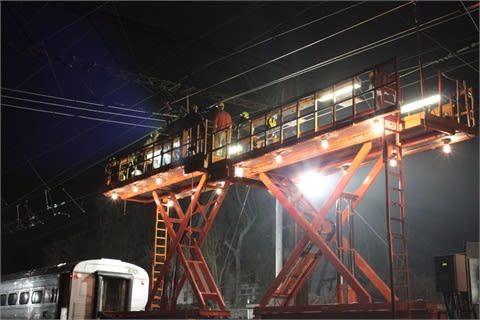
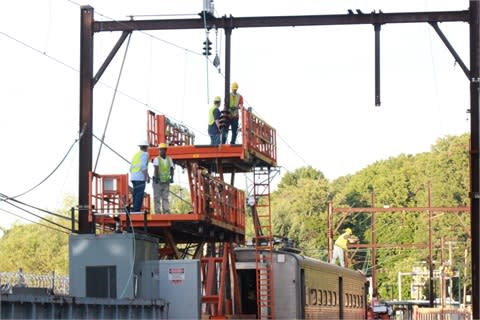
“We streamlined the way our projects were completed,” said Knueppel. “Instead of preparing components in the field, our fabrication crew and overhead maintainers assemble and bundle the hangars at our fabrication shop. We also designed and developed new platform tower cars with infrared heaters that allow crews to continue working in cold temperatures.”
A modified open gondola car stores old wire without crews having to cut it into smaller sections. Together, the open gondola and tower cars allow crews to safely and effectively remove, replace and store OCS wire and hardware. The benefits of replacing the OCS can be seen in SEPTA’s Regional Rail ridership increase.
“Over the past 15 years, our catenary-component related failures are down drastically,” said Knueppel. “This work was among several key initiatives that allowed railroad ridership to grow 50 percent in this same time period. The investment in our infrastructure was done out of necessity, but has proven to be invaluable.”
Subscribe to Our Newsletter
More Blog Posts
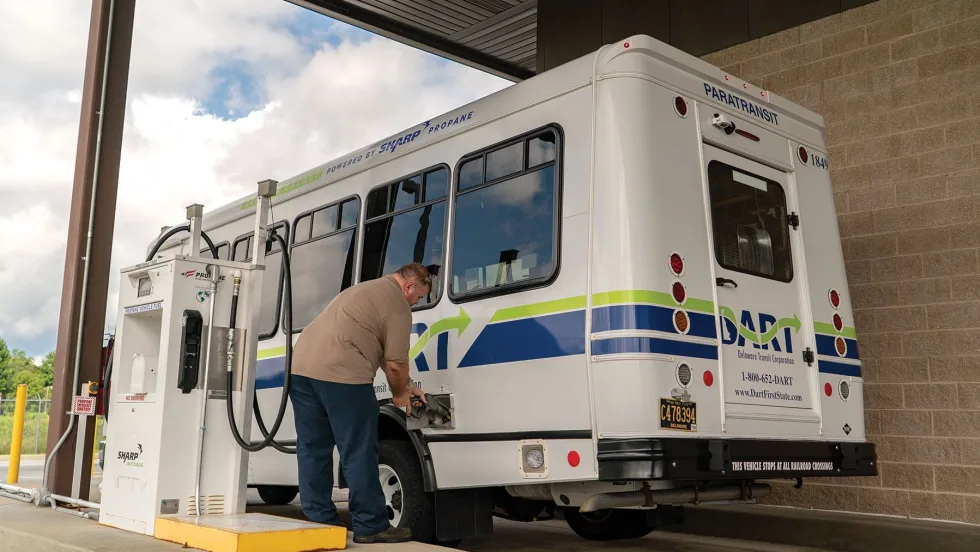
Building a Winning FTA Grant Proposal: Why Propane Autogas is the Pragmatic Choice for Fleet Resilience
With $610 million available through the FY 2026 Buses and Bus Facilities Competitive Program and the Low or No Emission Grant Program, agencies must build a compelling case before the September 21 deadline that balances environmental compliance with operational feasibility.
Read More →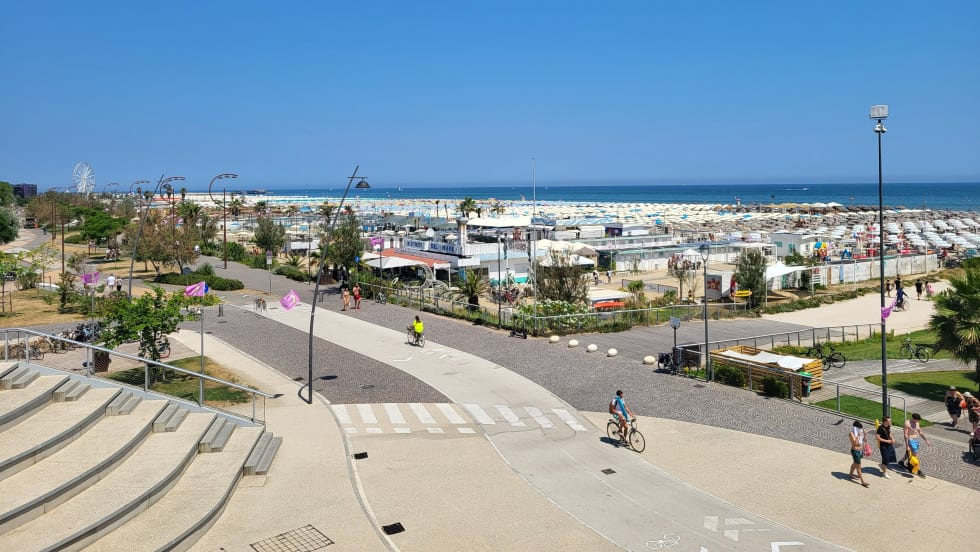
Velo-city Conference 2026: Latest Trends in Cycling as Part of Urban Mobility
The global cycling conference highlighted how cities are integrating bicycles into multimodal transportation networks, expanding cycle tourism and reshaping urban mobility.
Read More →
Kindness Isn’t Soft...It’s Strategic.
Mike Bismeyer — often known as “The Kindness Guy” — has spent more than 17 years in public transit and mobility, serving in industry leadership roles, speaking across North America, and advocating for stronger workplace cultures. But his message doesn’t come from theory. It comes from lived experience.
Read More →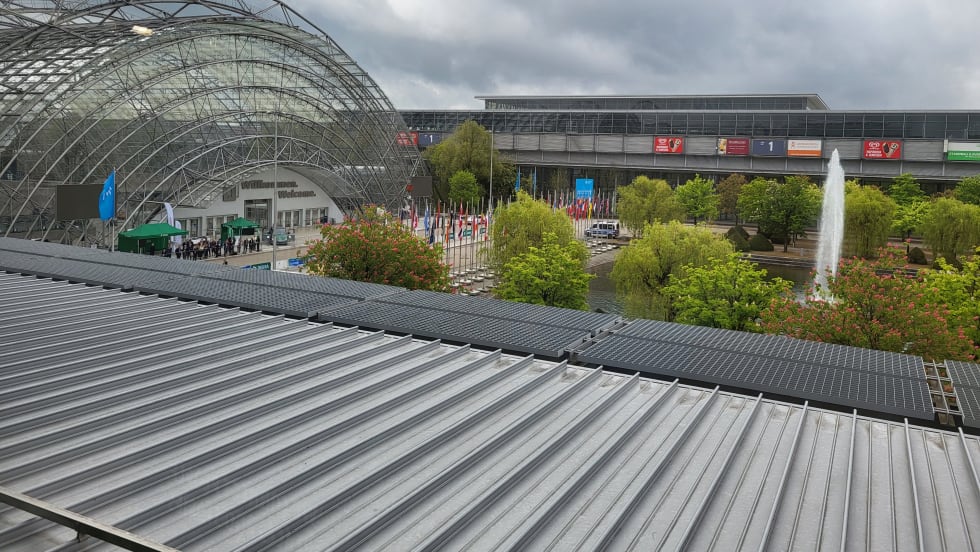
Inside ITF 2026: Transport Reacts to A Challenging World
Transport leaders from around the world gathered in Leipzig, Germany, for the 2026 International Transport Forum to discuss resilience, climate impacts, supply chains and the future of sustainable mobility.
Read More →
Every Ride Tells a Story — But You’re Not Just Selling the Ride
You’re selling the moment, the meaning, and the emotion behind it.
Read More →
How Digital Signage is Reshaping the Traveler Experience at Transportation Hubs
What was once a landscape of static signs has evolved into a responsive, immersive environment powered by real-time visual communication.
Read More →
Latest Trends in Urban Mobility from Polis Conference 2025
Polis comprises cities and regions, as well as corporate partners, from across Europe, promoting the development and implementation of sustainable mobility. This year’s event had over a thousand attendees across various policy forums and an exhibition.
Read More →
Why Transit Leaders Require Better Tools for Operational Clarity In Today’s Tech-Fragmented Environment
Across North America and beyond, transit agency officials are contending with a perfect storm of operational headaches and strategic challenges that hamper daily service and long-term progress.
Read More →
The Powerless Brokers: Why California Can’t Build Transit
It is no secret that transit in the U.S. is slow and expensive to build.
Read More →
Why Transport Sustainability Should Focus on People Instead of Cars
Simply incentivizing electrification is not enough to make a meaningful impact; we must shift our focus toward prioritizing public transportation and infrastructure.
Read More →