




RELATED: SEPTA delves into driver's past to improve customer service training
The Fight to Reduce Bus Operator Assaults
Transit authority operators nationwide have been victims of sometimes brutally violent acts, but in Philadelphia, the Southeastern Pennsylvania Transportation Authority has had a decrease in bus operator assaults by almost 60% since 2011. How did they do that?
August 26, 2015
SEPTA
4 min to read
SEPTA
The stories have been told by news outlets across the country and the surveillance videos have gone viral — bus operators being assaulted by passengers for a variety of reasons. In New York City, police are looking for a man who allegedly rammed his bike into an MTA operator on July 4 after being told he couldn’t take his bicycle on the bus. In Kunia, Hawaii — also in July — a man was arrested for allegedly attacking an operator that missed his stop. In Washington, D.C., MetroBus is testing video surveillance monitors on its X2 line — a route on which four operators have been assaulted so far this year.
Transit authority operators nationwide have been victims of sometimes brutally violent acts, but in Philadelphia, the Southeastern Pennsylvania Transportation Authority (SEPTA) has had a decrease in bus operator assaults by almost 60% since 2011. How did they do that?
“An operator being attacked while driving a vehicle is not only dangerous for our employee, but it also puts the safety of our passengers at risk,” said SEPTA GM Joseph M. Casey. “We launched a campaign to let the public know that we are very serious about ending these assaults and will investigate and prosecute to the fullest extent of the law.”
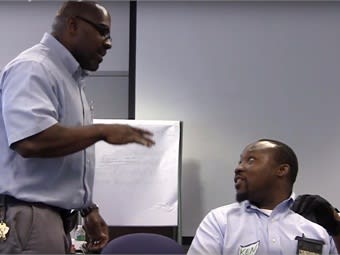
SEPTA's new driver training included team building activities and role playing exercises in crisis de-escalation.
SEPTA has a multi-tiered approach to addressing operator assaults. Managers have been trained to assist operators that have been attacked. Cameras have been installed on vehicles and the public has been made aware that their actions are being recorded. Signs indicating that abusing an operator is a criminal offense have also been posted on buses and trains. The authority’s police officers perform over 7,000 vehicle checks per month — many of these are targeted surveillance in areas where there have been multiple incident occurrences. The SEPTA Police Department also follows all assault cases through to prosecution, assigning a detective to every case.
“The quick response of our Police Department and the vehicle videos have increased our prosecution success rate,” said Casey.
SEPTA has also taken a proactive approach to operator assaults, working to build employees skills that will prevent incidents from happening. In June 2010, SEPTA subcontracted Red Kite Project for its new bus operator training.
“Bus operators are like first responders,” said Zach Stone, Red Kite Project CSO. “They can be first on an accident scene, calling 911 for assistance or dealing with passengers that have mental health issues. Operators not only need to know how to safely operate their vehicles, they also need the skills that will allow them to be sensitive to the many people and situations they will encounter over the course of their day.”
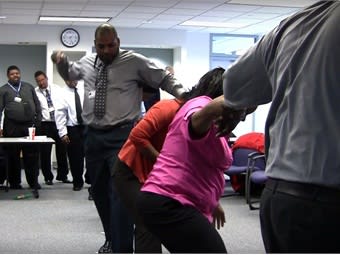
SEPTA bus operator training session.
For five days during their training, SEPTA’s new drivers are immersed in the culture of being an operator. In addition to learning about the authority and its mission, Red Kite gives presentations on dealing with stress of the position and how to avoid confrontations. But the sessions are not Power Point driven — the new hires actively participate in the program (video).
“We include team building activities and role playing exercises in crisis de-escalation,” said Stone. “These activities help the operators see how they might react in an emergency situation and gain an understanding for how not to provoke a passenger through words or actions."
On the fourth day of the program, the trainees are put on the street, surveying passengers on their SEPTA experiences and feelings about the authority and its employees. “Talking to the passengers allows the employees to gain empathy for the customers and hear how they might be perceived once they begin driving the buses,” Stone said.

SEPTA poster
The operator is, for many public transit riders, the face of the organization — he or she is the one person the customer sees and interacts with on a regular basis. It is important, then, that the operators understand the importance of their jobs and their place within the organization.
“Five years ago, the results of the surveys taken by the operators averaged about 80 percent negative public perception,” said Stone. “Today, the results are about 80 percent positive.”
“The impact the Red Kite Project training has had on our workforce has been outstanding,” said Casey. “Not only have the operators learned the skills they need to protect themselves and their passengers from a violent incident, but it has also helped generate a remarkably increased positive public perception of the authority.”
The Red Kite Project program has contributed to SEPTA’s efforts to improve the passenger experience — the authority has seen a 40% reduction in customer complaints.
"We've gained thousands of friends," said Stone. "Many employees check back with us and let us know how well they are doing not only on the job, but also at home. They've taken the skills acquired in the class and applied not only to their professional lives, but to their personal lives, too, and have strengthened their relationships with family and friends."
SEPTA recently renewed Red Kite’s contract for five years. In addition to the new bus operators, training is also provided to the Authority's current bus operators, management, cashiers and new Regional (commuter) Rail hires. Red Kite Project does not provide training exclusively in the transportation industry, however, it is now working with every large transit agency in North Carolina.
Subscribe to Our Newsletter
More Blog Posts
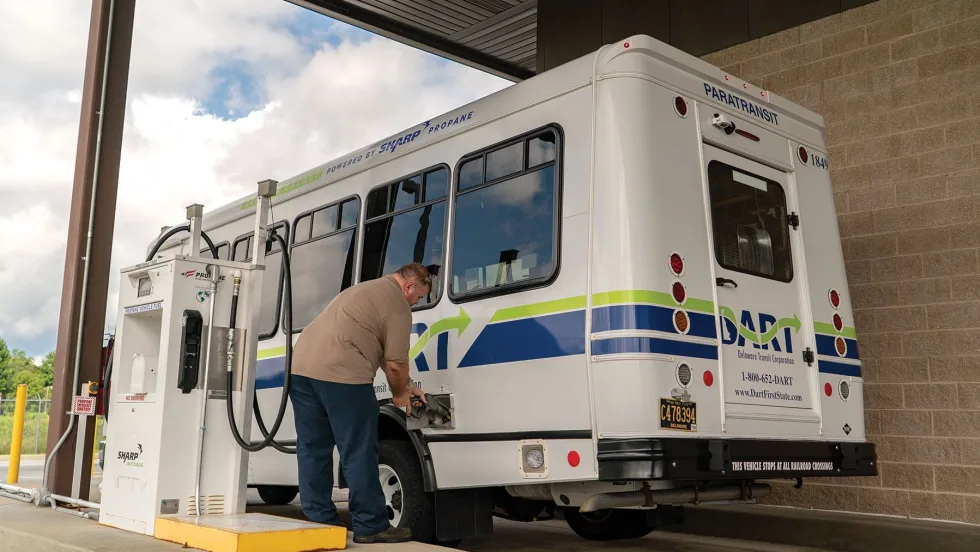
Building a Winning FTA Grant Proposal: Why Propane Autogas is the Pragmatic Choice for Fleet Resilience
With $610 million available through the FY 2026 Buses and Bus Facilities Competitive Program and the Low or No Emission Grant Program, agencies must build a compelling case before the September 21 deadline that balances environmental compliance with operational feasibility.
Read More →
Velo-city Conference 2026: Latest Trends in Cycling as Part of Urban Mobility
The global cycling conference highlighted how cities are integrating bicycles into multimodal transportation networks, expanding cycle tourism and reshaping urban mobility.
Read More →
Kindness Isn’t Soft...It’s Strategic.
Mike Bismeyer — often known as “The Kindness Guy” — has spent more than 17 years in public transit and mobility, serving in industry leadership roles, speaking across North America, and advocating for stronger workplace cultures. But his message doesn’t come from theory. It comes from lived experience.
Read More →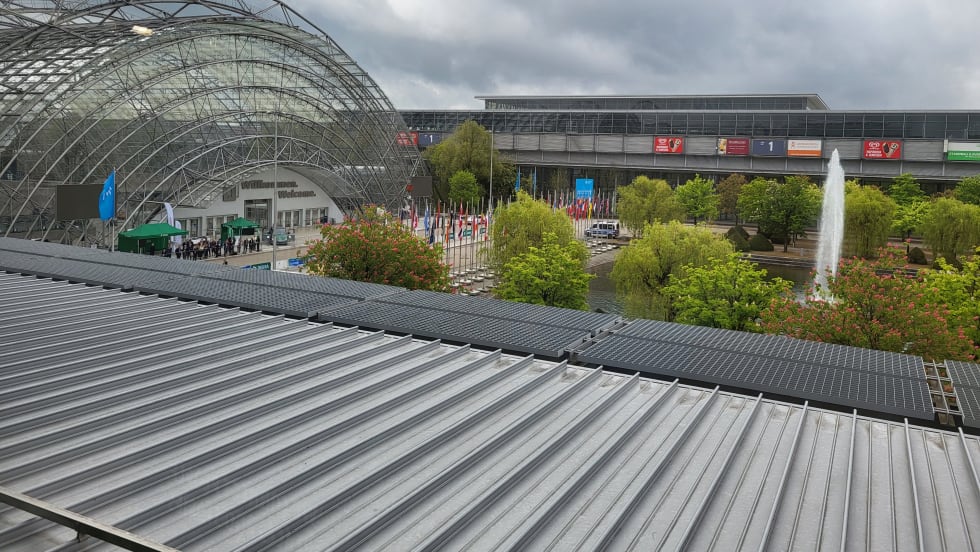
Inside ITF 2026: Transport Reacts to A Challenging World
Transport leaders from around the world gathered in Leipzig, Germany, for the 2026 International Transport Forum to discuss resilience, climate impacts, supply chains and the future of sustainable mobility.
Read More →
Every Ride Tells a Story — But You’re Not Just Selling the Ride
You’re selling the moment, the meaning, and the emotion behind it.
Read More →
How Digital Signage is Reshaping the Traveler Experience at Transportation Hubs
What was once a landscape of static signs has evolved into a responsive, immersive environment powered by real-time visual communication.
Read More →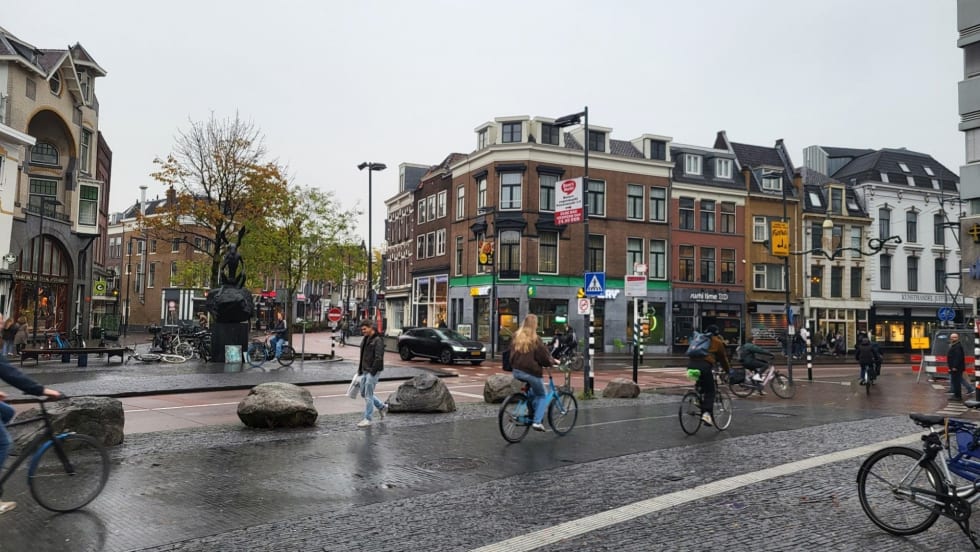
Latest Trends in Urban Mobility from Polis Conference 2025
Polis comprises cities and regions, as well as corporate partners, from across Europe, promoting the development and implementation of sustainable mobility. This year’s event had over a thousand attendees across various policy forums and an exhibition.
Read More →
Why Transit Leaders Require Better Tools for Operational Clarity In Today’s Tech-Fragmented Environment
Across North America and beyond, transit agency officials are contending with a perfect storm of operational headaches and strategic challenges that hamper daily service and long-term progress.
Read More →
The Powerless Brokers: Why California Can’t Build Transit
It is no secret that transit in the U.S. is slow and expensive to build.
Read More →
Why Transport Sustainability Should Focus on People Instead of Cars
Simply incentivizing electrification is not enough to make a meaningful impact; we must shift our focus toward prioritizing public transportation and infrastructure.
Read More →