
Metro Magazine

 MENU
MENU SEARCHMENUSEARCH
Loading data...

Shifts are long and varying, and facilities are often inadequate for transit employees to truly recharge and stay sharp on the job. But it doesn’t have to be that way. The quality of the environment within facilities can be designed to support shift workers and those with jobs that don’t follow traditional 9-to-5 schedules. Two key elements that can be utilized to support vehicle operator health; creating spaces with adaptability for varied activities and quality lighting that supports the adaptability of the space.
Read More →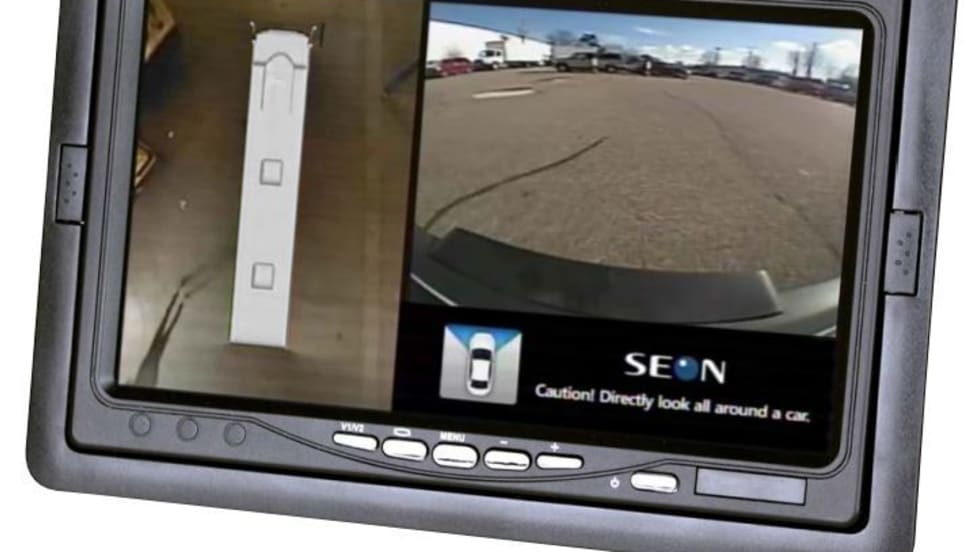
The inView 360 Around Vehicle Monitoring (AVM) System eliminates dangerous vehicle blind spots that threaten student and pedestrian safety is now available for the school bus and transit fleet markets.
Read More →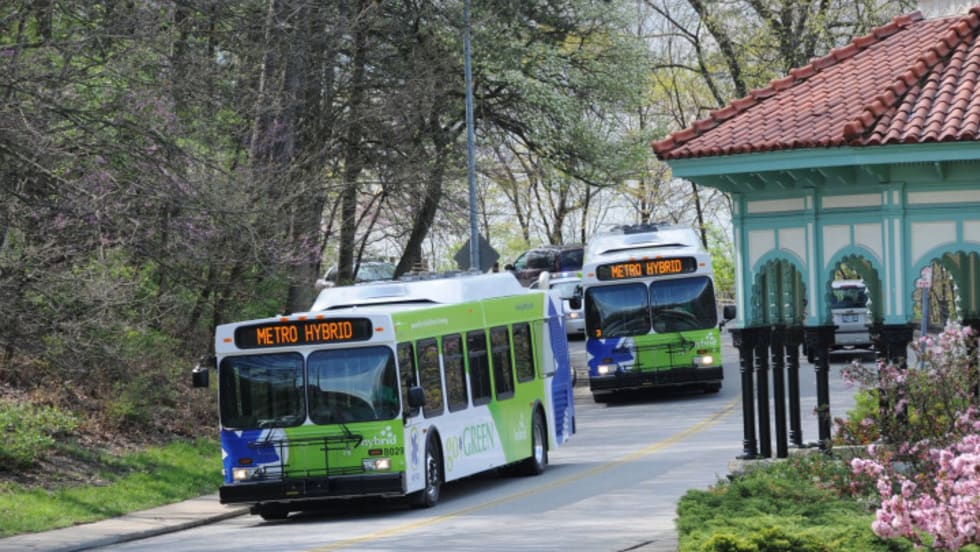
Under current law, an assault is usually classified as a misdemeanor, except under certain circumstances.
Read More →
When official-plated transit authority vehicles were scarce and basically reserved for those in upper management to go about their daily business to and from meetings, etc..., road control would be the responsibility of the “fixed-post foot dispatcher.” Not all of these positions have been eliminated, but I wonder if any readers remember the stability and sense of control that was present while the foot dispatcher was on post?
Read More →
TriMet's "Santa Bob" delighted riders for nearly 30 years as he maneuvered his sleigh bus through the streets of Hillsboro, Beaverton and Portland. But before this holiday season begins, Santa Bob, a.k.a Bob Foster, will be turning in the reins of his Line 88 bus.
Read More →
There should come a time during each new student’s training bus instruction, when instructor-led skill development turns to student demonstration and “Show Time” begins. It is during this time the student must perform for the instructor. I call this a “Show Me” day.
Read More →
Gerald Cameron, logging an estimated 825,000 miles accident free, touts his mirrors as his 'lifeline.'
Read More →Curb jumping. Heavy braking. Excessive speed. Dangerous action. These words are sometimes utilized and documented by training bus instructors when evaluating a trainee. Having these words appear early on in a training program is not rare; it’s when the training nears its end and these words are still being used on the trainee’s evaluation forms that should cause concern.
Read More →A discussion about bus operator reaction time will no doubt bring many different opinions on its definition. There are formulas to come up with reaction time and, maybe I'm the lone wolf on this subject, but breaking down the science of reaction time for bus operators is something I did not spend much time doing. Allow me to share with you something that I feel is of greater importance, the "Adverse Reaction Tip Off!"
Read More →