



How to improve bus operator reaction time
A discussion about bus operator reaction time will no doubt bring many different opinions on its definition. There are formulas to come up with reaction time and, maybe I'm the lone wolf on this subject, but breaking down the science of reaction time for bus operators is something I did not spend much time doing. Allow me to share with you something that I feel is of greater importance, the "Adverse Reaction Tip Off!"

A discussion about bus operator reaction time will no doubt bring many different opinions on its definition. There are formulas to come up with reaction time and, maybe I'm the lone wolf on this subject, but breaking down the science of reaction time for bus operators is something I did not spend much time doing. Allow me to share with you something that I feel is of greater importance, the "Adverse Reaction Tip Off!"
As training professionals, we don't believe that collisions, knockdowns and on-board injuries just happen. For every incident on the road, there is usually a warning or a tip-off. Identifying this tip-off comes with experience. There are many of them, but let's look at a few:
1) A vehicle stopped at the intersection to the left of the bus with front tires pointed a bit to the right and/or the driver of that vehicle looking to the right at the cross street.
2) A pedestrian walking right-side same direction of bus wearing headphones or talking on the cell phone.
3) A curbside pedestrian waving his or her hand in the direction of the bus.
4) A ball rolling into the street.
5) Visible exhaust, brake lights, or a front tire moving left or right from a parked vehicle.
These are just a few that student/veteran operators must identify. Why not add to this list and compile them into a nice handout for distribution to your operators.
Case #1: The operator failed to read the tip-off and accelerated with the auto rather than pause two seconds to allow the vehicle to turn from left to right across the path of the bus. Avoid the abrupt braking and on-board injuries, and expect the left-to-right move by the vehicle whenever in this position.
Case #2: If the operator has not created a space cushion between the curb and his/her bus and fails to cover the brake in anticipation of a 'step out' into the roadway by a pedestrian, he or she has not identified the tip-off. Sounding the horn is not the solution; it won't reduce the speed of the bus. Sounding the horn can have purpose as a communication tool after you have removed your foot from the accelerator and placed it over the brake pedal should a stop be necessary.
Case #3: The person waving his or her hand may be hailing a taxi that may be not yet be visible to the operator. Read this waving hand by the pedestrian as a tip-off alert that momentarily there may be a vehicle making an abrupt stop in the bus path. The immediate actions that should occur include taking the foot off the accelerator, placing it over the brake and checking the mirrors.
Case #4: The easiest of all to identify — a ball rolling into the street, possibly being followed by a child.
Case #5: There can be several 'parked' vehicle-related tip-offs to identify. Increased 'eye lead' time will make this possible and give the operator the edge to see it early, and then react early.
What do you think? Am I a lone wolf, or do you share my views? Let me know. Share your own tip-offs here in the Comments section and we will see if we get enough for you to copy and paste as a student handout.
In case you missed it...
Read our METRO blog, "OCTA CEO: Sales tax program delivers success to voters and transit" here.
More Blog Posts
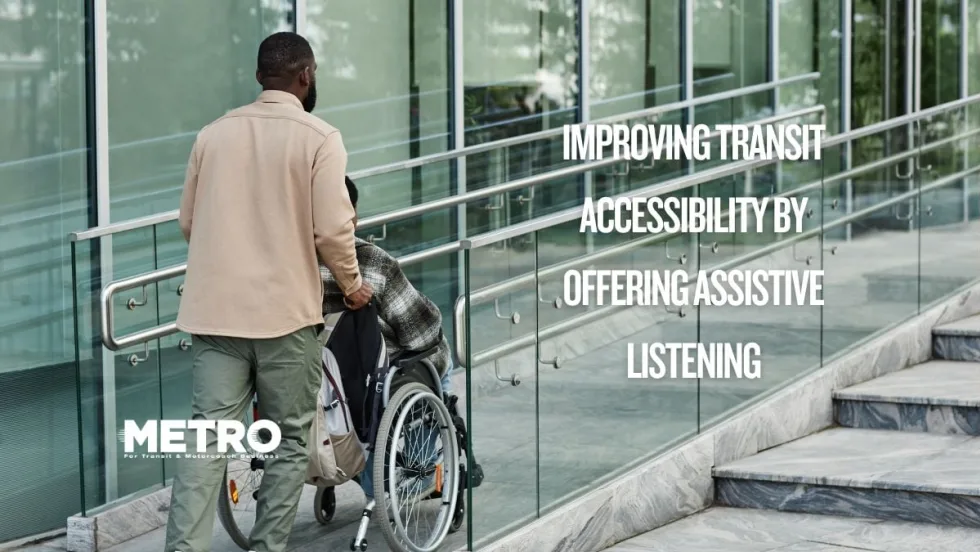
Improving Transit Accessibility by Offering Assistive Listening
Did you know that there are literally tens of millions of people worldwide with hearing loss, many of whom will use some form of public transit at some point?
Read More →
35 Years of the ADA, Making Travel Easier for Seniors
Thirty-five years after the passage of the Americans with Disabilities Act of 1990 (ADA), the impact of this landmark piece of civil rights legislation cannot be overstated.
Read More →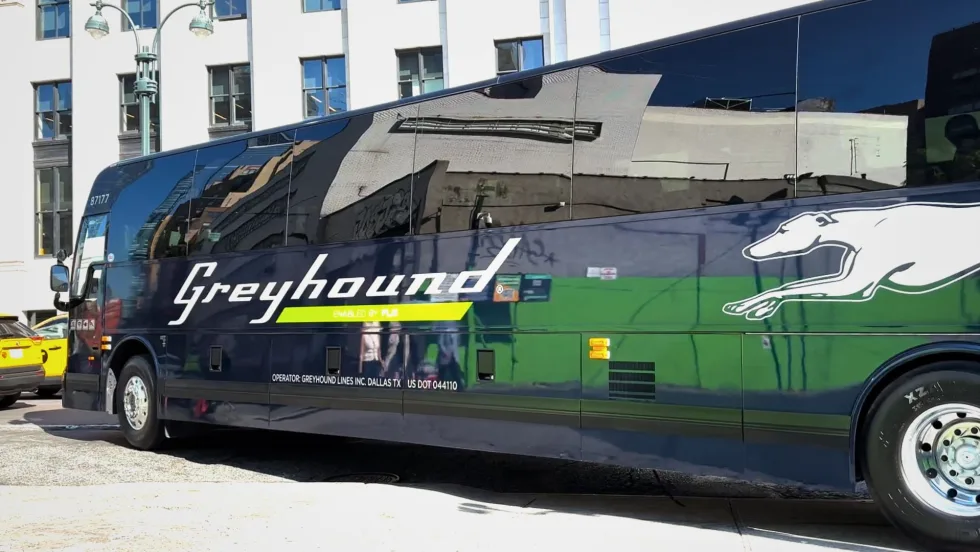
Driving Performance with Purpose: How I Lead One of Greyhound’s Top Teams
Safety, on-time performance, and customer experience are critical elements in intercity bus operations. But getting them right doesn’t come down to plans or protocols alone. It comes down to execution. How well your team performs on the ground, in real time, is what defines success.
Read More →
Navigating Emerging Privacy Laws: A Call to Action for Service Providers in Mass Transit
With Data Privacy Day Jan. 28, I want to spotlight a critical challenge faced by service providers in the mass transit sector: managing personal information responsibly in an era of rapidly evolving privacy regulations.
Read More →
Human Trafficking Awareness: What Public Transportation Can Do?
January is National Slavery and Human Trafficking Prevention Month in the U.S., and January 11 is National Human Trafficking Awareness Day.
Read More →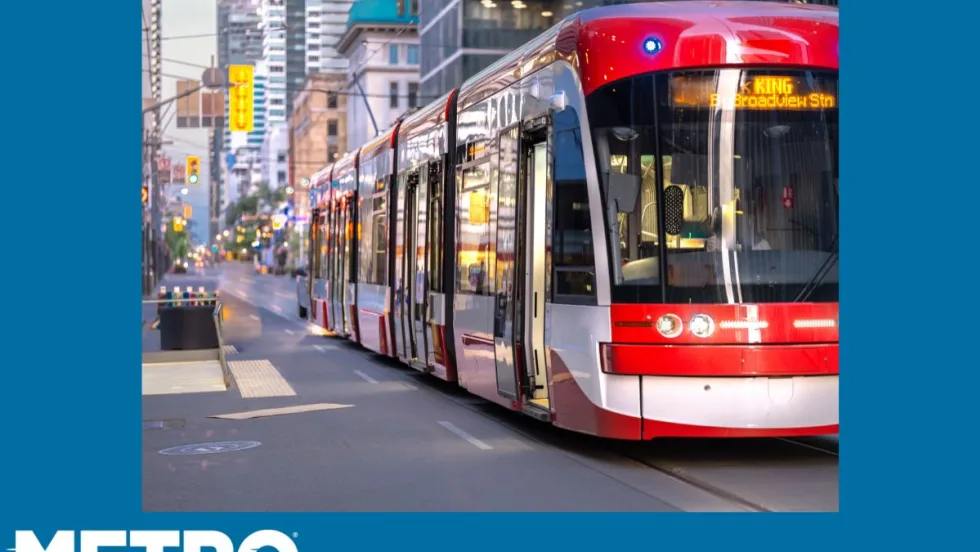
Want to Improve Transit Safety and Operations? Break Down the Silos
Retrieving and reviewing data and video can be a cumbersome process for fleet managers. Each system or tool provides a piece of the puzzle, but seeing the complete picture requires tedious manual synchronization.
Read More →
Ensuring Public Transit Cybersecurity Through Robust Protective Measures
In today’s highly connected world, cybersecurity is of utmost importance, particularly for transportation agencies overseeing transit bus systems that rely increasingly on sophisticated technologies, including the use of data analytics in traffic signal networks, to manage and operate their systems.
Read More →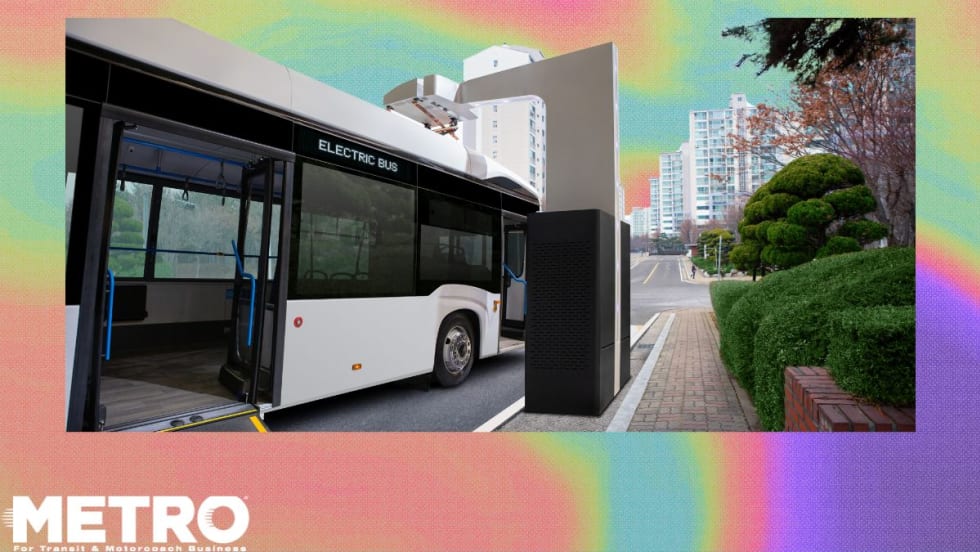
How Advances in Thermal Management Revolutionize Urban Mobility
In the daily hustle and bustle of city life, transit buses serve as the backbone of urban transportation, allowing millions of city dwellers to get from point A to point B each day reliably.
Read More →
The Evolution of Bus Design
Thirty years ago, drivers not only had to drive the bus and navigate heavy traffic, but they were also responsible for tasks like supervising passenger loading and unloading, selling tickets, and providing passengers with various kinds of information, all while sitting in an often ill-fitting workstation.
Read More →
What 'Transit Safety 101' Really Means
Safety, Safety, Safety. This word is used repeatedly, and in many contexts, without most people understanding what it actually means.
Read More →