
Metro Magazine

 MENU
MENU SEARCHMENUSEARCH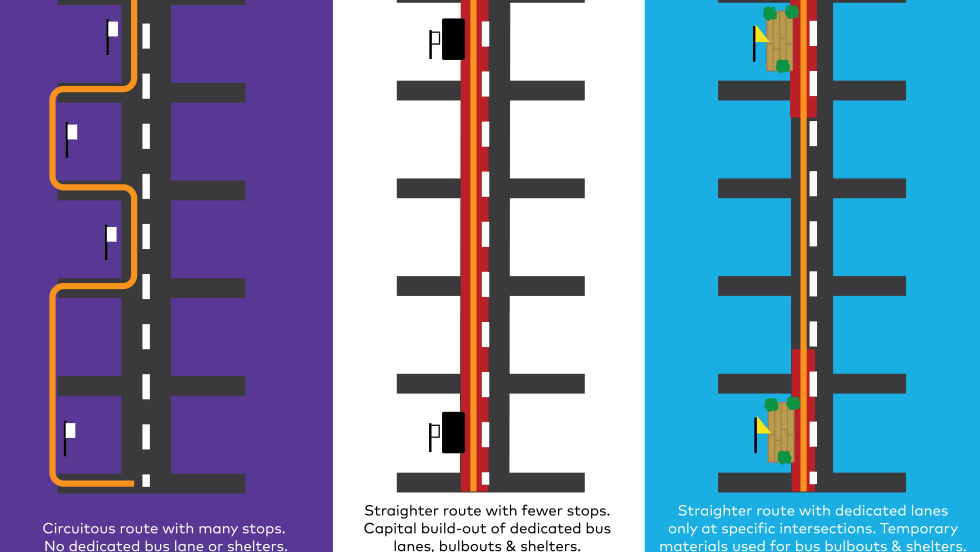
The raffish, worldwide movement known as tactical urbanism appears poised to take on a meatier role in improving transit in bus corridors. By providing low-cost, agile alternatives to lengthy street improvement processes, “tactical transit” has the ability to jumpstart virtuous cycles of increasing bus ridership by speeding up travel times, improving passenger experience, and enhancing overall perceptions of riding the bus.
Read More →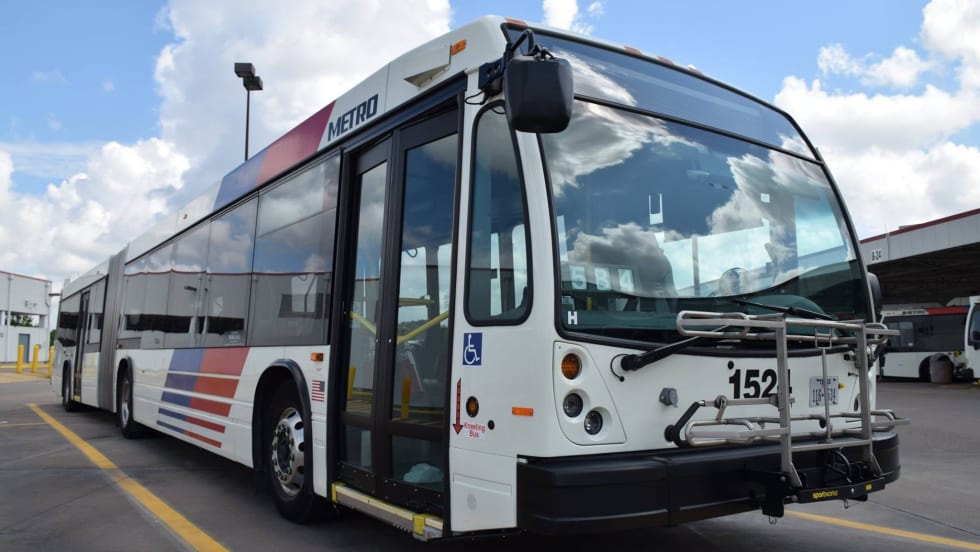
Officials concede more refinement is needed to gain riders on buses and trains.
Read More →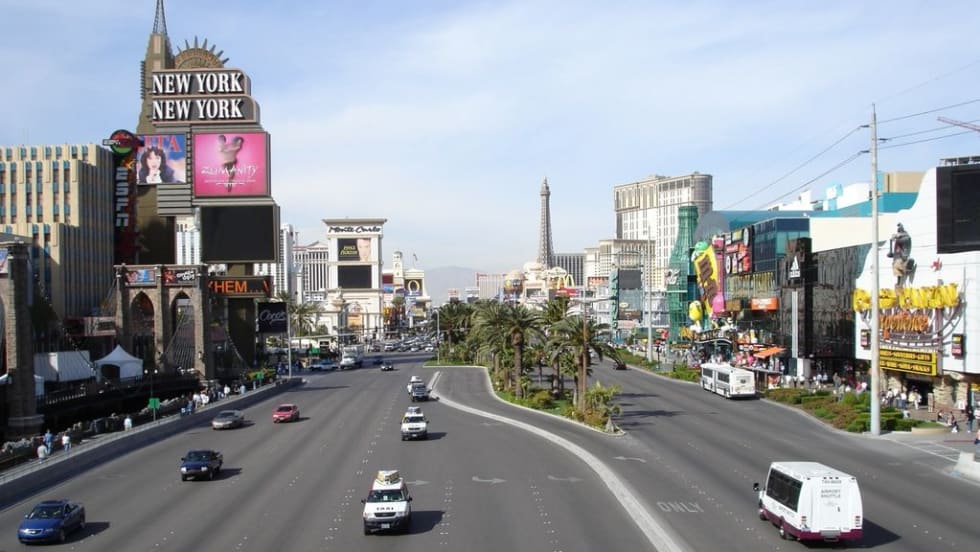
RTC has watched bus ridership gradually decline along the Strip ever since state regulators allowed Uber and Lyft to operate in September 2015.
Read More →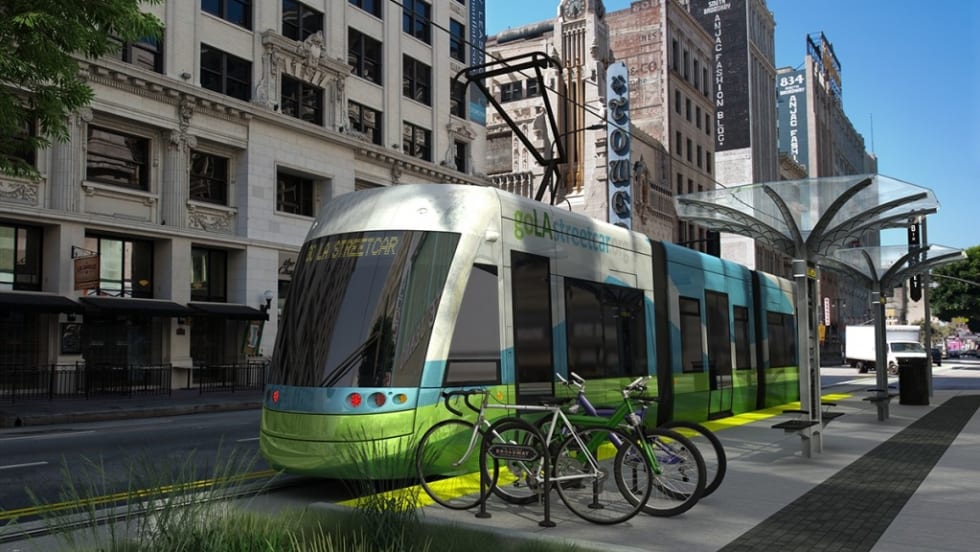
Supporters say ridership on the 3.8-mile service could reach 6,000 people per day.
Read More →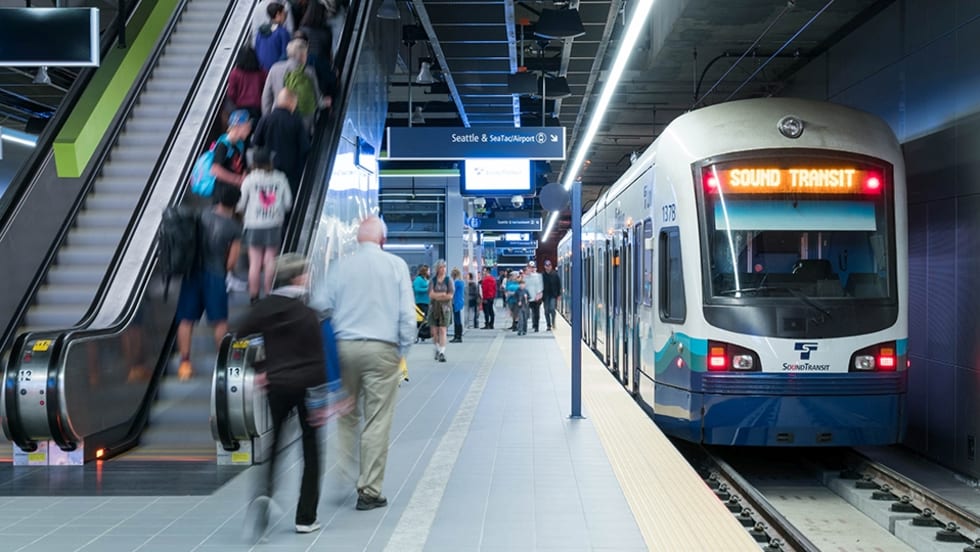
Following the 2016 openings of the University Link and Angle Lake light rail extensions, Link ridership jumped 69.3%, while Sounder commuter service increased by 5.7% and ST Express grew 2.7%.
Read More →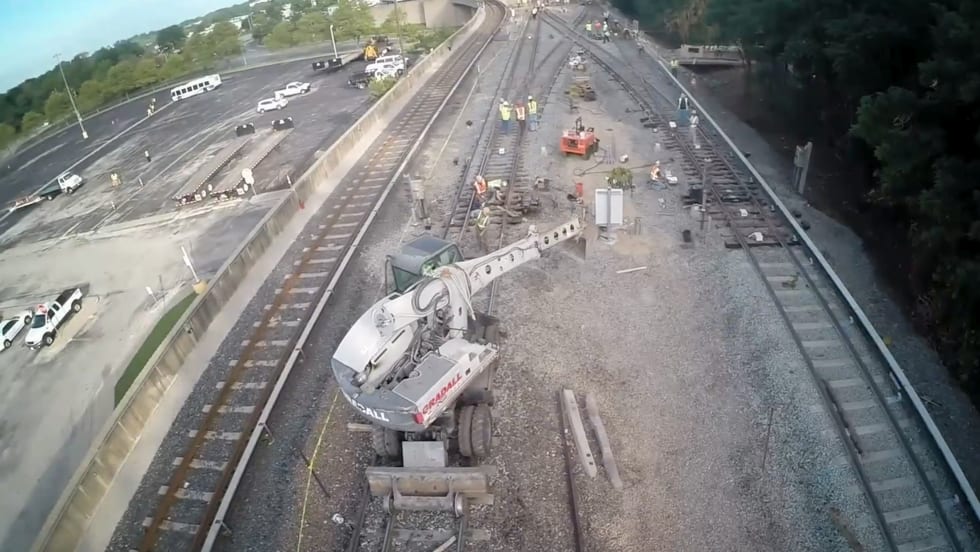
In order for scheduled repairs to take place when subway ridership was at its lowest all year, the Maryland Transit Administration undertook an unprecedented plan to shut down the central core of the 33-year-old subway system for 21 days.
Read More →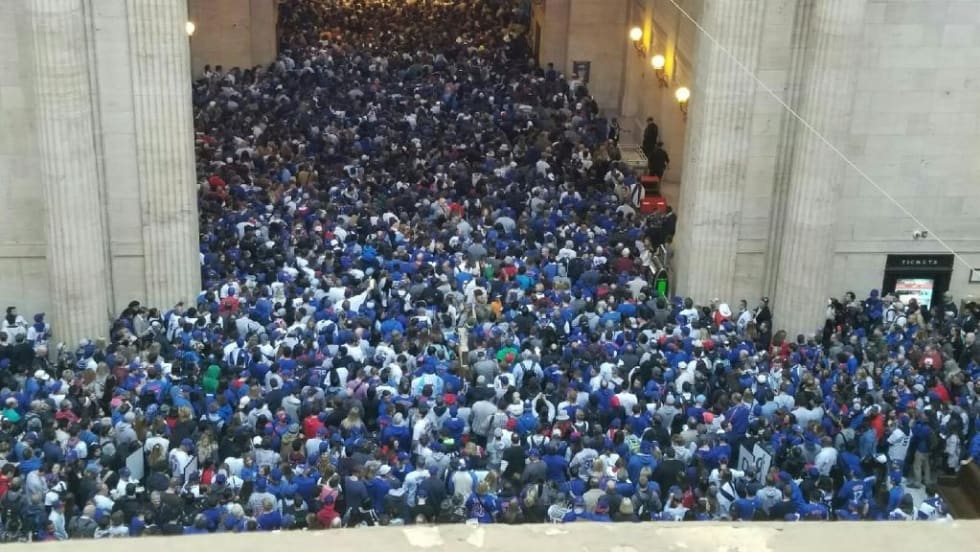
Ridership during the Cubs rally was 61% greater than that of the first Friday in November 2015, when Metra carried 285,078 passengers.
Read More →
The Orange Line will be the highest ridership transit service ever tested for all-electric operation. The project is expected to demonstrate the durability and reliability of lithium-ion battery technology for high ridership transit lines.
Read More →
This presentation will explore developing ridership trends facing transit providers, offer an overview of the current research on rearward facing securement, and examine how emerging technologies are addressing the previous shortcomings of primitive rearward securement applications.
Read More →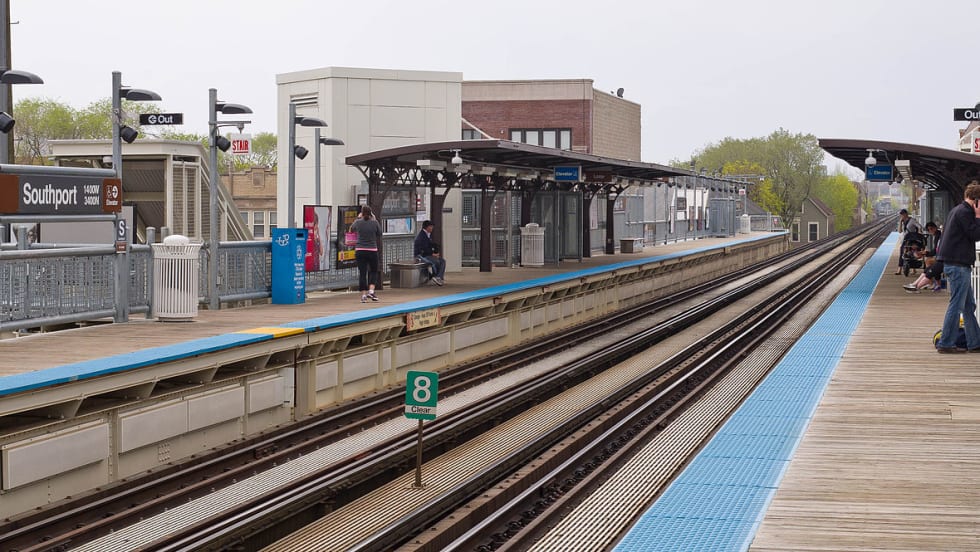
Long-term deals on fuel and increased non-fare revenue have helped CTA cope with reduced funding from the state and a decline in ridership, which fell to just under 500 million in 2016.
Read More →