



Metra ridership record set during Cubs' victory celebration
Ridership during the Cubs rally was 61% greater than that of the first Friday in November 2015, when Metra carried 285,078 passengers.

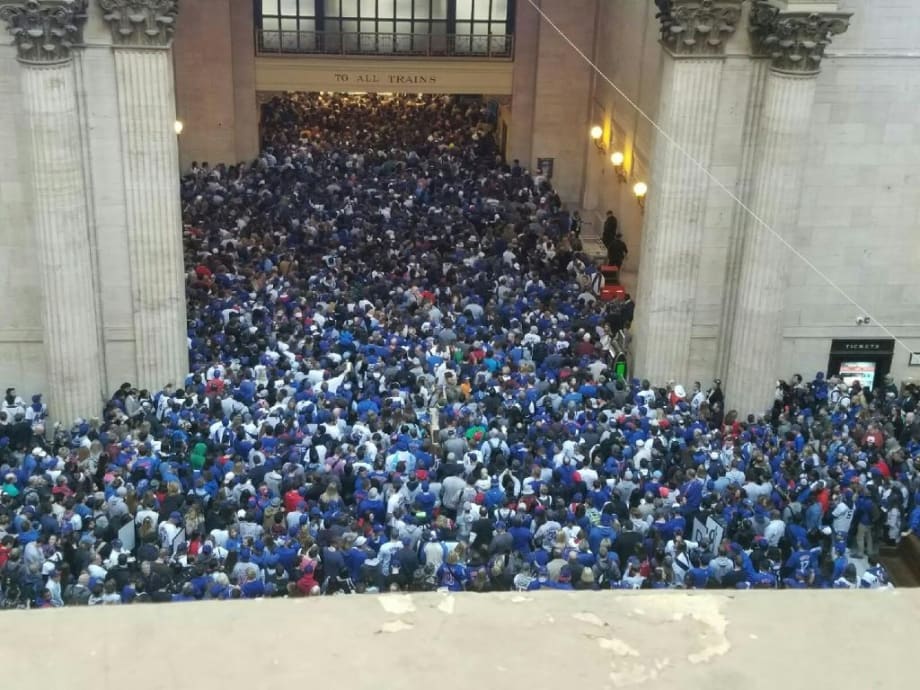
Metra experienced the busiest day in its history on Friday, Nov. 4, as Chicago Cubs fans celebrated the team’s first World Series win in more than a century.
Metra carried more than 460,000 passengers the day of the Cubs victory parade and rally, shattering the record of 430,488 passengers previously set on July 3, 2007, based on preliminary numbers. The Chicago Blackhawks victory parade and rally on June 28, 2013, takes third place with 425,241 rides.
“We knew the Cubs long-awaited victory had the potential to create a historically busy day for Metra, which is why we used every locomotive and railcar available to manage the huge number of fans traveling downtown,” said Metra Executive Director/CEO Don Orseno. “I’m proud of the way our train crews and staff at the stations directed the crowds and delivered fans and daily commuters to their destinations safely. I am also grateful to all of our customers for their patience during this extraordinary event.”
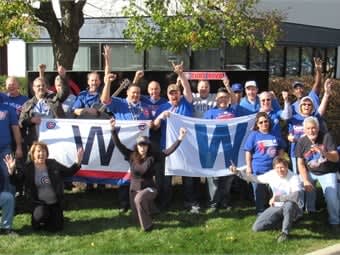
One week after the Chicago Cubs defeated the Cleveland Indians in game 7 of the World Series, employees of Buffalo Grove, Ill.-based Vapor Bus International celebrated their hometown heroes and wore Cubby blue and red.
For additional perspective, ridership during the Cubs rally was 61% greater than that of the first Friday in November 2015, when Metra carried 285,078 passengers.
Many customers took advantage of the special $5 ticket offered for unlimited travel that Friday only. Between Thursday, Nov. 3 and Friday, Nov. 4, Metra sold more than 38,400 special event tickets through the Ventra App. Customers purchased more than 46,000 over the counter and more than 25,600 from conductors. In total, Metra sold more than 110,000 special event tickets.
The Ventra App also proved popular for celebration-goers, with new users up nearly 290% the day of the rally.
More Rail
Amtrak, CN Reach Agreements to Strengthen Passenger Rail Service, Safety
The agreement resolves a more than decade-long proceeding before the Surface Transportation Board concerning the terms and conditions for Amtrak services, such as the City of New Orleans, Illini/Saluki, and Wolverine.
Read More →
New York MTA Advances Final Contract for Second Avenue Subway Expansion
Contract Four is the largest in the Second Avenue Subway Phase 2 project and includes construction of station infrastructure, tracks, and signals for the subway expansion, MTA officials said. Work on Contract Four will begin in 2027.
Read More →
San Diego MTS Breaks Monthly Trolley Ridership Record
Agency officials said July’s ridership indicates MTS’s continued recovery from the pandemic.
Read More →
Report Examines NJ TRANSIT Reliability, Funding Challenges
The Garden State Initiative analysis examines the roles of Amtrak infrastructure, fleet management, and agency operations while recommending a more performance-based approach to improving reliability.
Read More →
Stadler, CapMetro Sign Long-Term Rail Fleet Support Agreement
Beginning in 2027, Stadler will provide on-site technical expertise, spare parts support, training, and obsolescence management to help extend the reliability and longevity of CapMetro’s GTW fleet.
Read More →
Biz Briefs: Alstom Lands Canadian Contract, LYT to Supply California TSP, and More
In METRO's latest installment, we take a look at recent news from Complete Coach Works, Beep, FlixBus, and more partnerships making headlines across the transportation sector.
Read More →
CATS Gold Line Marks 5 Years of Service, 2.8M Passenger Trips
With a six-mile expansion planned, the Charlotte streetcar is positioned to connect more neighborhoods and major transit hubs across the region.
Read More →
Why Simulating Pedestrian Movement Has Become Essential for Modern Rail Stations
Pedestrian microsimulation is helping rail planners identify bottlenecks, test station designs, and prepare complex transit hubs for growing passenger volumes.
Read More →
Amtrak Begins Major Construction at New York’s Sunnyside Yard
The new maintenance facility will support Amtrak’s Airo trainsets while improving maintenance efficiency and turnaround times in New York.
Read More →
Chicago Leaders Unveil Plans for O’Hare Airport Express Train
The privately developed project would offer a 15-minute trip between downtown and O’Hare’s Terminal 2, with trains operating every 15 minutes on a dedicated track. The service would use battery-electric trains and three existing freight rail rights-of-way.
Read More →