
Metro Magazine

 MENU
 SEARCHMENUSEARCH
Loading data...

A spokesmen for Corridor Capital, the private company set to manage the Indianapolis-to-Chicago line, added there is a growing pool of prospective riders, including so-called millennials, who would prefer the train if they‘re persuaded the service is adequate.
Read More →



Hoping to bring public opinion back in favor of its bullet-train plans, they say estimates that passengers will take at least 29 million trips a year on high-speed trains between San Francisco and Los Angeles by 2040 are reasonable.
Read More →Through innovative planning and customer service initiatives, BC Transit delivered a five-fold increase in service, expanded its fleet to 300 buses, operated 24 hours a day and served over 1.5 million customers in the Sea to Sky region during the 2010 Olympic Winter Games.
Read More →The transit agency came up with the new vehicle design when it recently went through a rebranding campaign led by the RTA board of commissioners and implemented by the local and national marketing department of Veolia Transportation, the delegated management company of the RTA.
Read More →In addition to the NCAA college basketball tournament, the system was also the transportation choice for thousands of others who flocked into the city to attend free concerts and to watch the Atlanta Braves and the Atlanta Hawks who were playing home games.
Read More →Since the number of SEATS bus trips has steadily increased by 10,000 rides each year for the past five years, transit officials are asking the agency’s board of directors for four replacement vehicles and two additional buses to accommodate the demand.
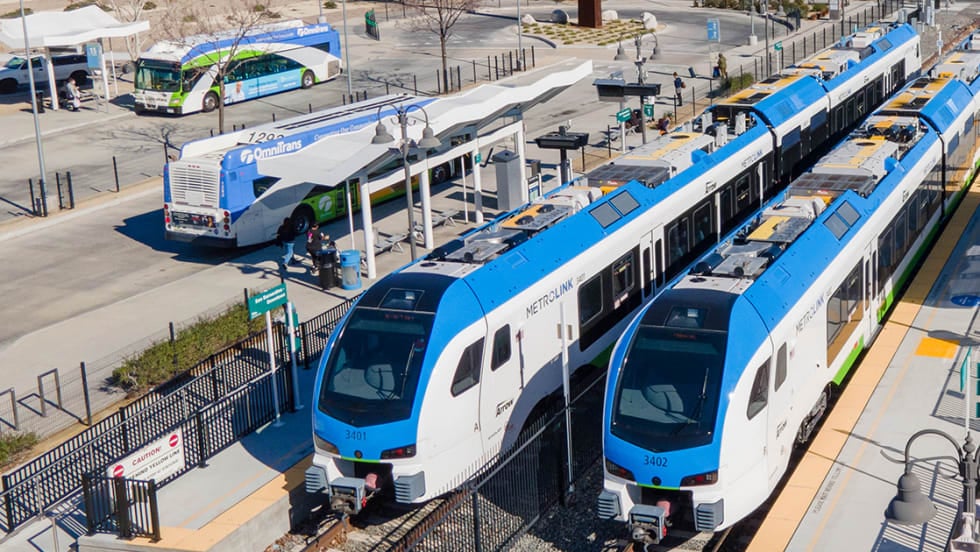
Read More →In honor of California Clean Air Day, more than 26,000 riders capitalized on free fares all day long across Metrolink’s entire, 545-mile system, which connects Los Angeles, Orange, Riverside, San Bernardino, San Diego, and Ventura counties.
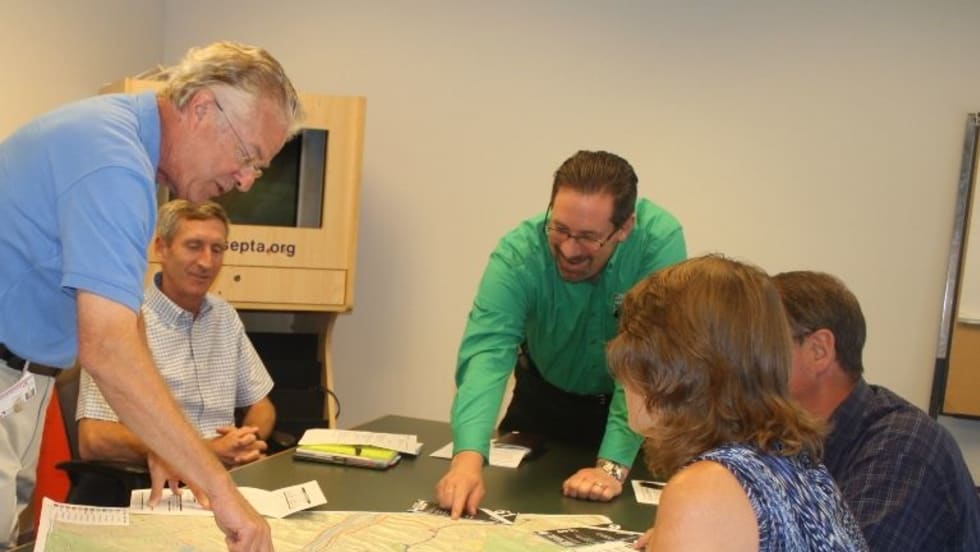
Read More →SEPTA’s service planners collaborated with developers of a new retail center to ensure that public transportation was incorporated into the site’s plans. Additionally, the agency’s planners worked with the public to add a bus route that provides safer access to a playground.
Read More →The Detroit Connector, now in its second year of operation after being renewed as a part of the University’s Detroit Center budget, made its first journey of this year Sept. 18 running on grant money. The service is free, and the Connector staff plans to keep it that way for as long as possible, though a $5 donation per ride is suggested.
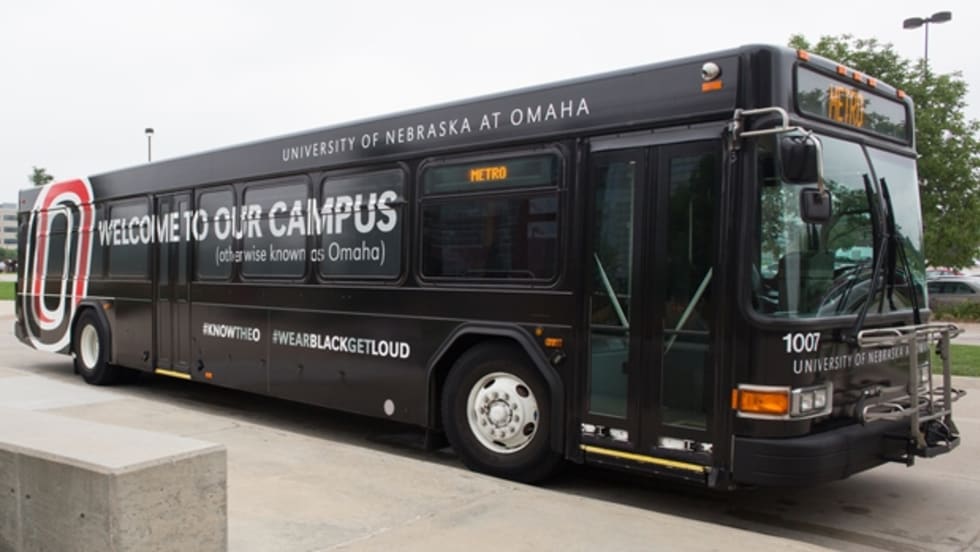
Read More →The expansion of UNO’s popular MavRide program will provide bus access to more than 15,000 students and more than 3,000 faculty and staff.
Read More →