




Read More: Metrolink Relaunches Low-Income Discount as ‘Mobility-4-All’
Metrolink Sees Highest Single-Day Ridership Since 2020
In honor of California Clean Air Day, more than 26,000 riders capitalized on free fares all day long across Metrolink’s entire, 545-mile system, which connects Los Angeles, Orange, Riverside, San Bernardino, San Diego, and Ventura counties.
October 6, 2023
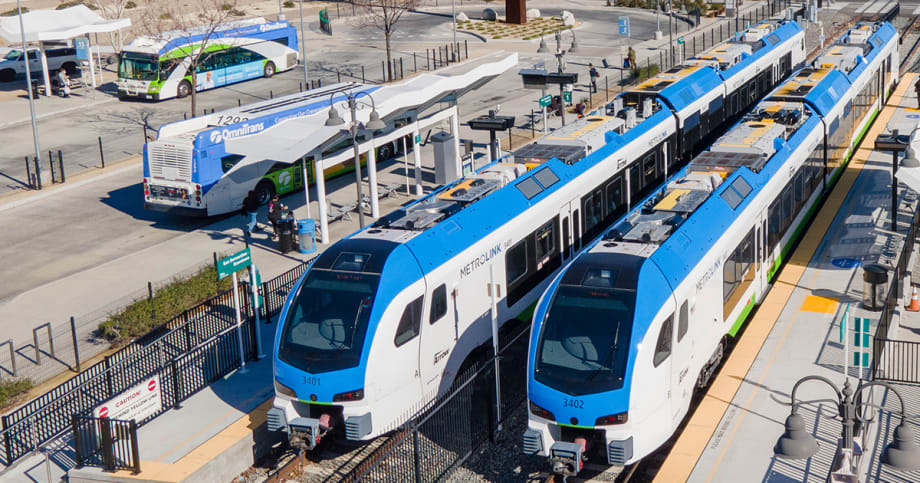
Reducing the number of vehicles in operation is just one way that Metrolink is championing environmental sustainability across the region.
Photo: Metrolink
2 min to read
Metrolink announced experienced an uptick in daily boardings on Oct. 4 of more than 33% from the week prior en route to its highest single-day ridership since the onset of the COVID-19 pandemic in early 2020 changed how Southern Californians use public transportation.
In honor of California Clean Air Day, more than 26,000 riders capitalized on free fares all day long across Metrolink’s entire, 545-mile system, which connects Los Angeles, Orange, Riverside, San Bernardino, San Diego, and Ventura counties.
“We couldn’t let California Clean Air Day pass without doing our part to improve air quality in the communities we serve,” said Metrolink CEO Darren Kettle. “In coordination with our member agencies who also waived fares on Wednesday, we were able to provide a record number of riders safe and sustainable transportation options that kept tens of thousands of cars off the road.”
Metrolink's Efforts to Reduce Vehicles in Operation
Reducing the number of vehicles in operation is just one way that Metrolink is championing environmental sustainability across the region. Other ways include:
In 2022, Metrolink became the first U.S. passenger train service to power its full locomotive fleet with renewable, non-petroleum fuel made of recycled natural fats and vegetable oils. Since transitioning to this fossil fuel-free alternative, Metrolink has reduced greenhouse gas emissions by 60%.
Metrolink operates a fleet of 40 F-125 Tier 4 locomotives – the cleanest diesel locomotives in the nation. Tier 4 locomotives comply with the latest Environmental Protection Agency (EPA) emissions standards and reduce particulate matter and nitrogen oxide emissions by up to 85% compared to previous generations of locomotives.
Beginning in late 2024, Metrolink’s Arrow service, which connects San Bernardino and Redlands, will become the first passenger train line in North America to adopt Zero-Emission Multiple Unit (ZEMU) rail vehicles, which will use a hybrid hydrogen fuel cell and battery technology to provide an even cleaner transit option for the community.
Metrolink’s Dispatch and Operations Center in Pomona is LEED Silver certified, and Metrolink is headquartered in the LEED Gold-certified Wilshire Grand building.
In 2021, the Metrolink Board of Directors adopted a climate action plan charting a course toward a zero-emission future for the agency, and last year, the American Public Transportation Association (APTA) recognized Metrolink with Gold certification for its sustainability commitment and progress.
In addition to California Clean Air Day, Metrolink provided free rides on Feb. 4 for Transit Equity Day and on April 22 for Earth Day in 2023.
Topics:Rail
More Rail
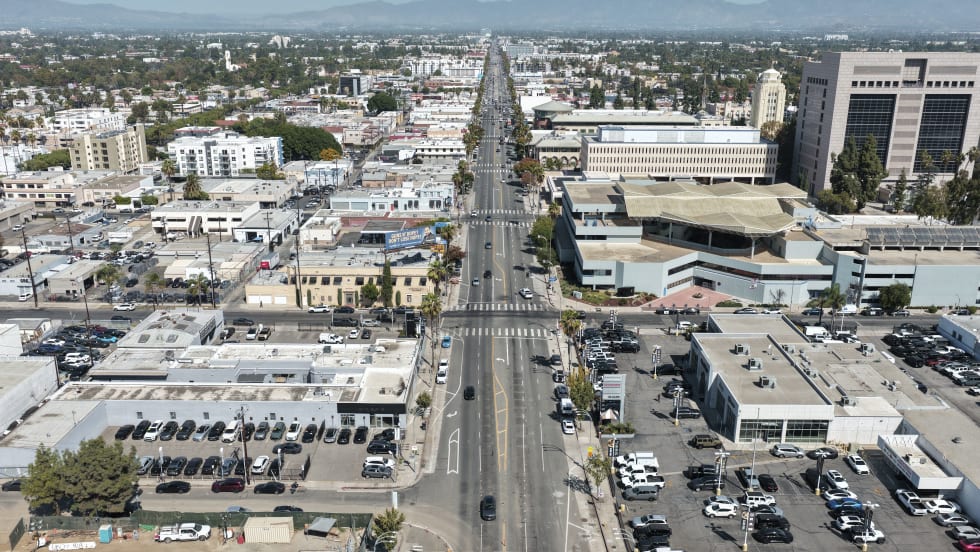
LA Metro Breaks Ground on East San Fernando Valley Light Rail Project
The 6.7-mile line will add 11 stations along Van Nuys Boulevard, expand access to jobs and regional transit connections, and support Metro’s broader efforts to improve mobility as rail ridership grows.
Read More →
CSA Group Releases Climate Resilience Standard for Transit, Passenger Rail
Developed with support from the Standards Council of Canada, CSA D700 guides assessing climate-related risks and planning adaptation measures for transit and passenger rail systems.
Read More →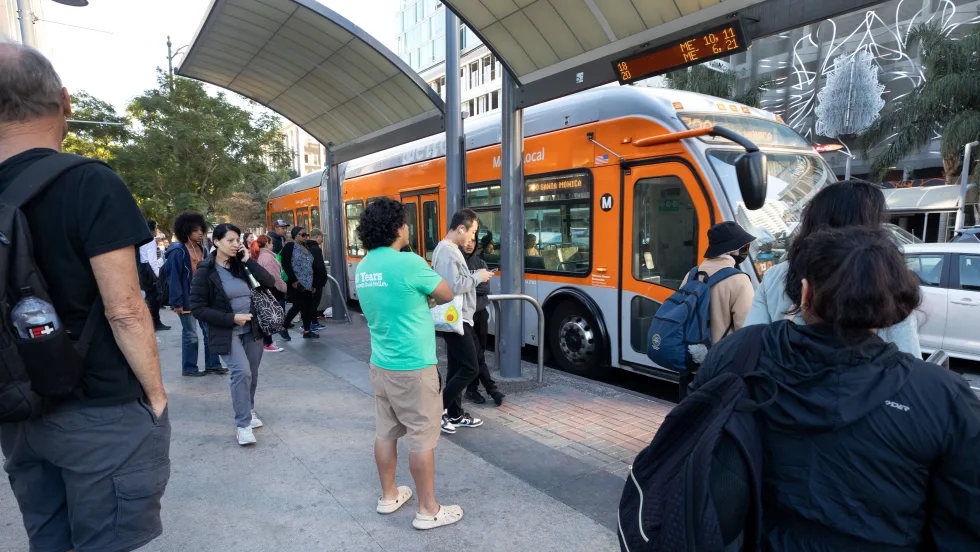
LA Metro September Ridership Climbs 3.9%, Led by Rail Growth
The agency recorded more than 27.2 million boardings, with rail ridership increasing 12.4% year over year and the D Line posting the largest gains.
Read More →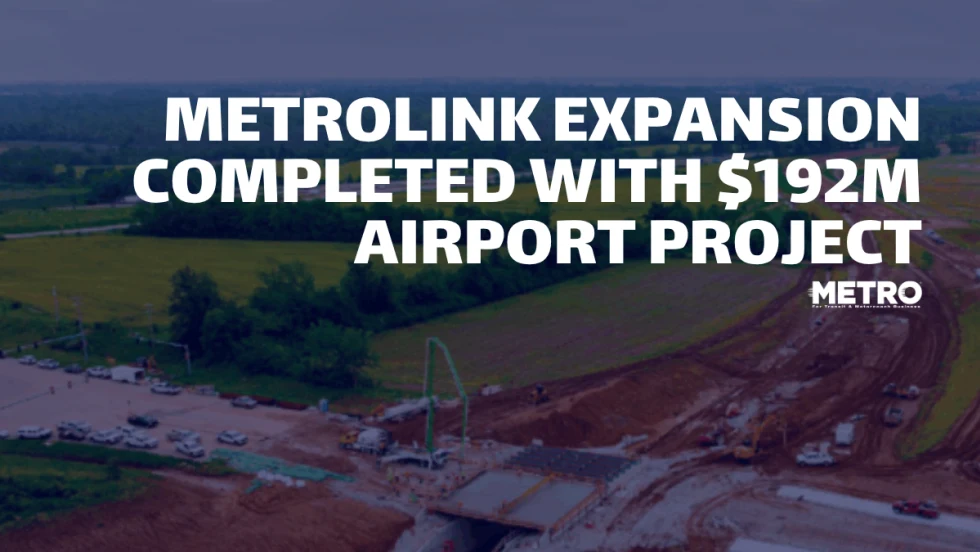
First Full MetroLink Rail Expansion Completed in 20 Years with $192M Airport Project
The project links two St. Louis-area airports by light rail while adding roadway and bike trail connections to improve regional access and mobility.
Read More →
Utilimarc Launches SmartReplace to Optimize Fleet Replacement Decisions
AI-powered SmartReplace helps fleets prioritize vehicle replacements, model budget scenarios, and build more defensible long-term strategies.
Read More →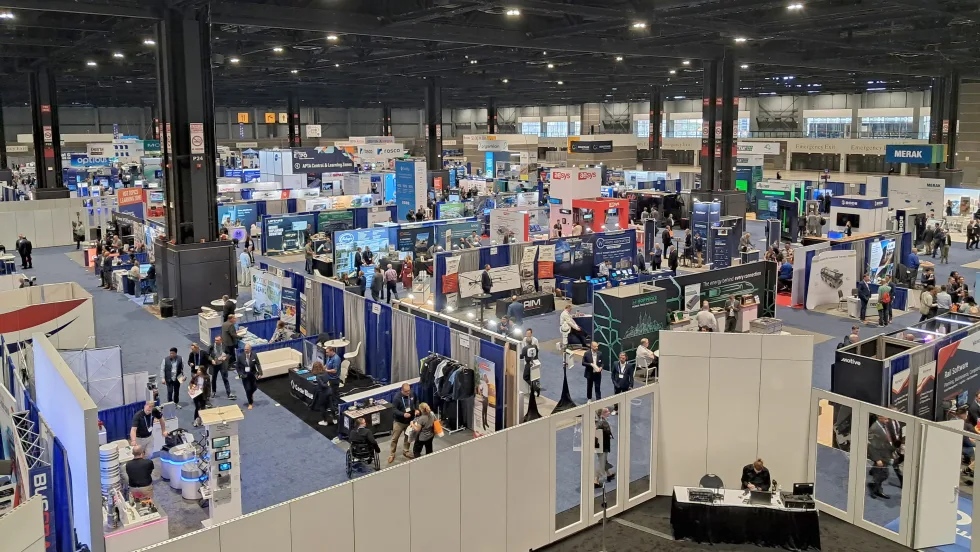
Scenes from APTA TRANSform & EXPO 2026
Transit leaders, manufacturers, and industry professionals gathered in Chicago to explore new technologies, share ideas, and discuss the future of public transportation.
Read More →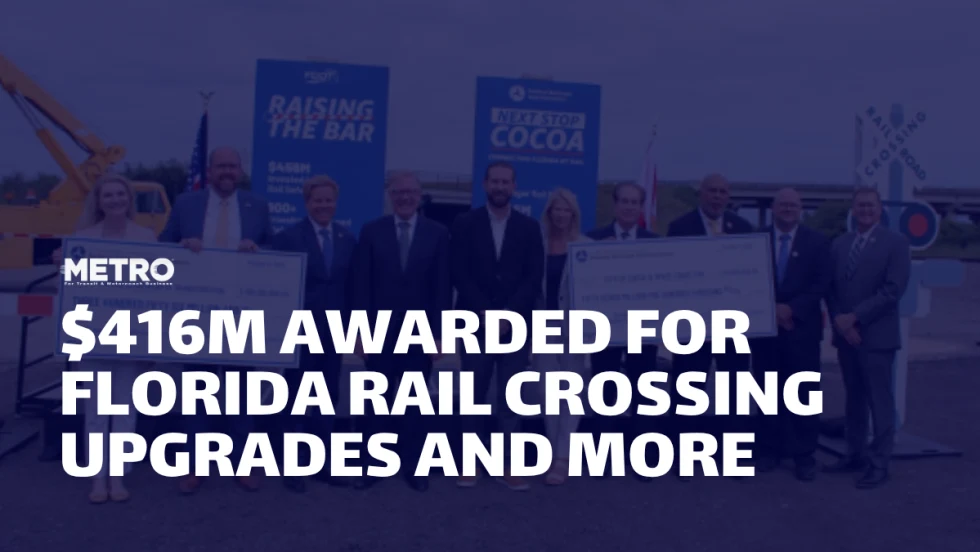
USDOT Awards $416 Million for Florida Rail Crossing Safety Upgrades, New Brightline Station
The projects aim to reduce risks for motorists and pedestrians at rail crossings while expanding passenger rail access along Florida’s Space Coast.
Read More →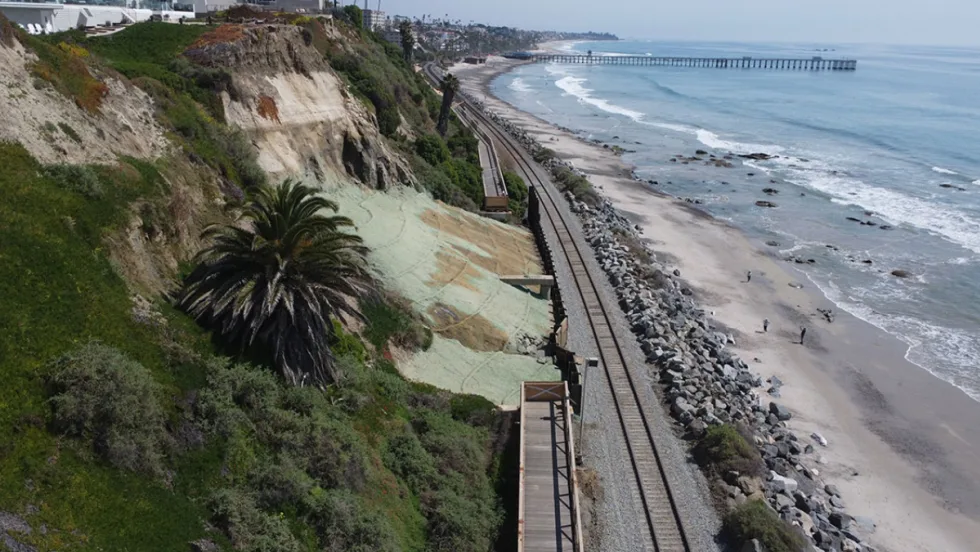
OCTA Declares Emergency to Protect Rail Corridor From Coastal Erosion
The California agency is accelerating shoreline protection and plans to place approximately 690,000 cubic yards of sand along the San Clemente coast to protect a key passenger and freight rail link.
Read More →
More Than a Summer Job: Building the Next Generation of Transit Talent
The Delaware River Port Authority and PATCO have transformed their internship program into a hands-on professional development experience that introduces students to the breadth of transportation careers — and creates a pipeline for future employees.
Read More →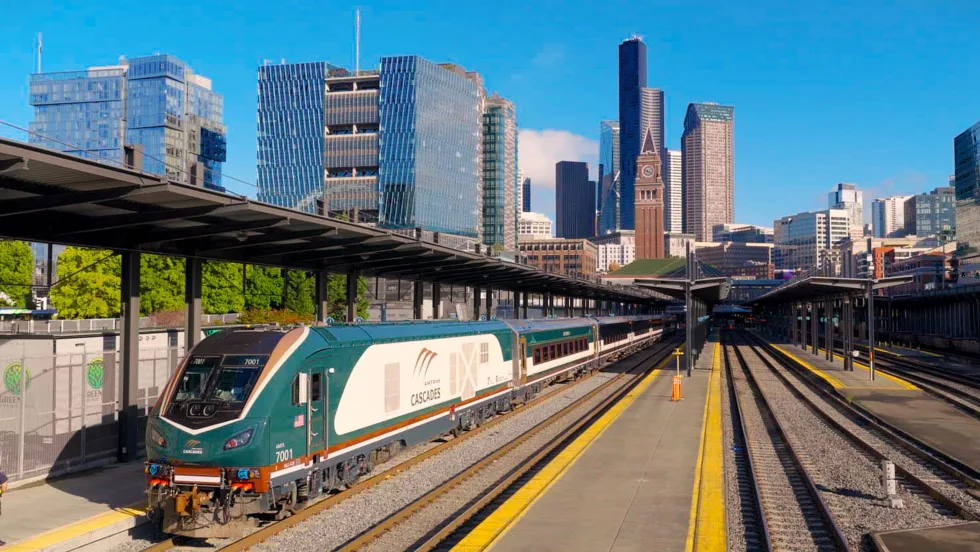
Airo Trains Make Their Amtrak Cascades Debut in the Pacific Northwest
Effective immediately, two cutting-edge Airo trainsets will join the Amtrak Cascades route, operating four daily trips between Vancouver, B.C., Seattle, Portland, and Eugene, Oregon, marking the first introduction of Airo trains into passenger service anywhere in the country.
Read More →