
Metro Magazine

 MENU
MENU SEARCHMENUSEARCH
Loading data...

The minimum estimated costs for the light rail project reached $550 million, with no guarantees for operating funding.
Read More →FTA Administrator Peter Rogoff signed the full-funding grant agreement during a ceremony at Central Connecticut State University in New Britain. The grant clears the way for the Connecticut DOT to begin construction of the bus rapid transit system and covers about half the total cost of the $567 million project.
Read More →To help keep the public informed about real-time construction updates, Omnitrans also launched a new sbX Twitter handle.
Read More →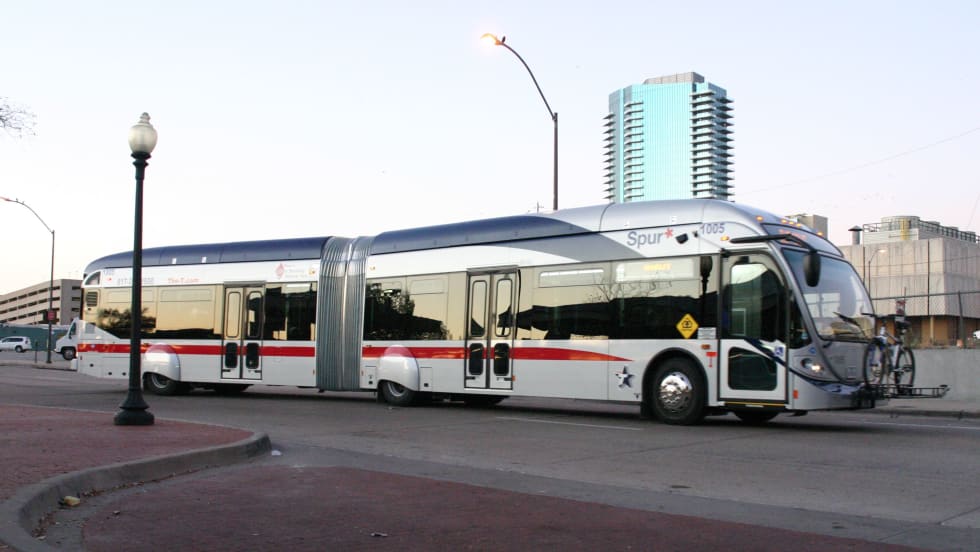
Holding 50 percent more passengers than The T's largest 40-foot buses, the NABI artics will eliminate over-crowding and prevent having to bypass passengers waiting at stops during peak times because buses are full.
Read More →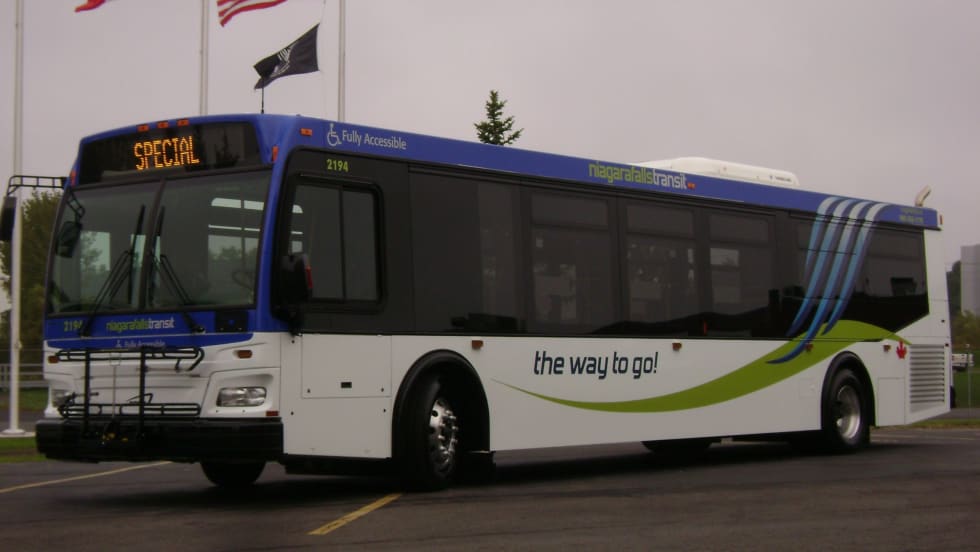
Two newly manufactured Orion VIIs hosting a variety of new features and options will be on display. Manufacturer will also showcase its testing and validation programs that prove a better built bus.
Read More →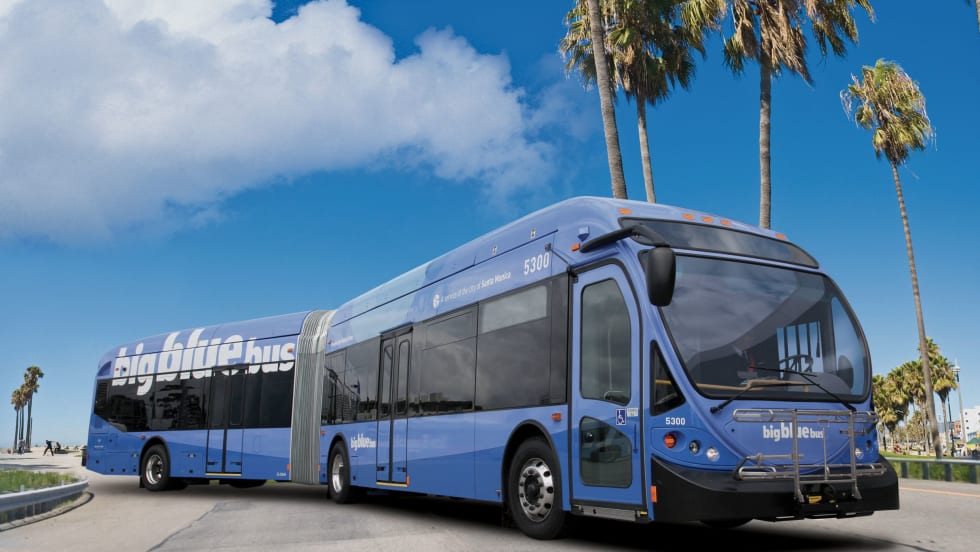
The NABI BRT has been engineered and "Whole Bus Tested" at the Altoona Bus Testing Center as a heavy-heavy-duty transit bus and is equipped with a proven structure and industry standard components for dedicated BRT operation as well as regular fixed-route service.
Read More →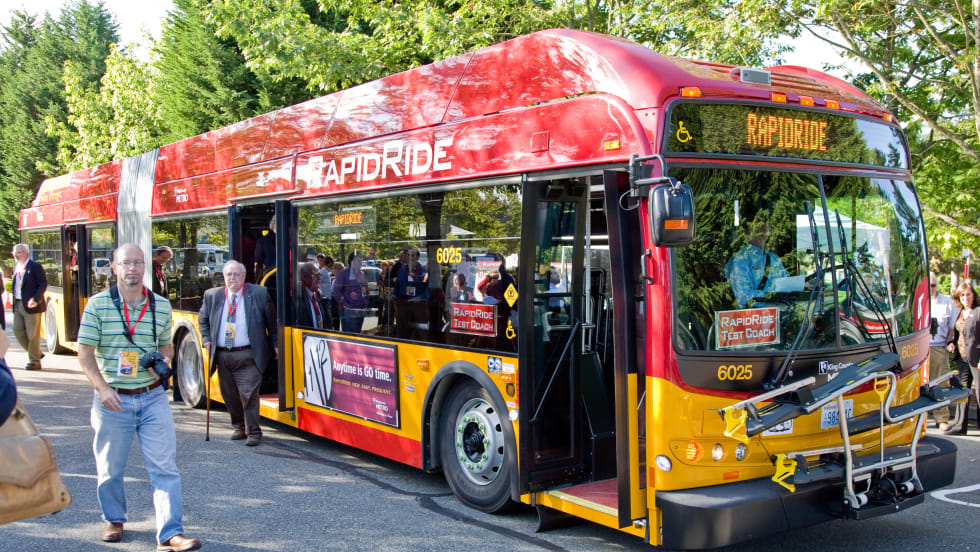
The RapidRide B Line, featuring 60-foot articulated buses built by New Flyer, will connect the cities of Bellevue and Redmond.
Read More →The new service will also improve access to the area's largest retail and employment centers, universities and medical facilities, reduce congestion and spur economic development in the heart of San Bernardino.
Read More →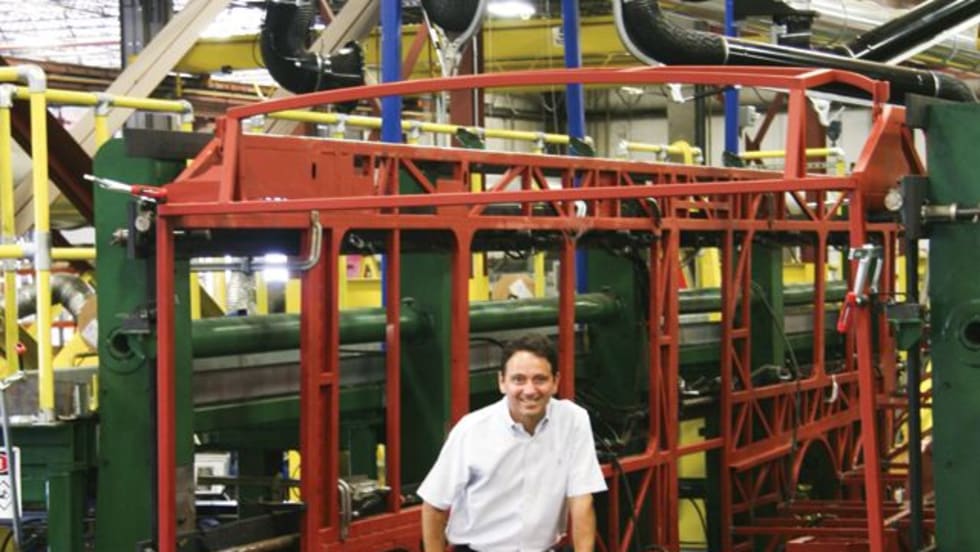
With a three-phase plan to move manufacturing of bus structures to its Anniston, Ala. plant, company CEO/President Jim Marcotuli believes the removal of some freight and duty from its current cost structure will position NABI to be more cost and lead-time competitive.
Read More →The 6.75-mile “JAZZ” service will introduce new technologies that include queue jump lanes, transit signal priority, and increased stop spacing to streamline bus traffic along the corridor and reduce travel times by up to 25 percent.
Read More →