
Metro Magazine

 MENU
MENU SEARCHMENUSEARCH
Loading data...
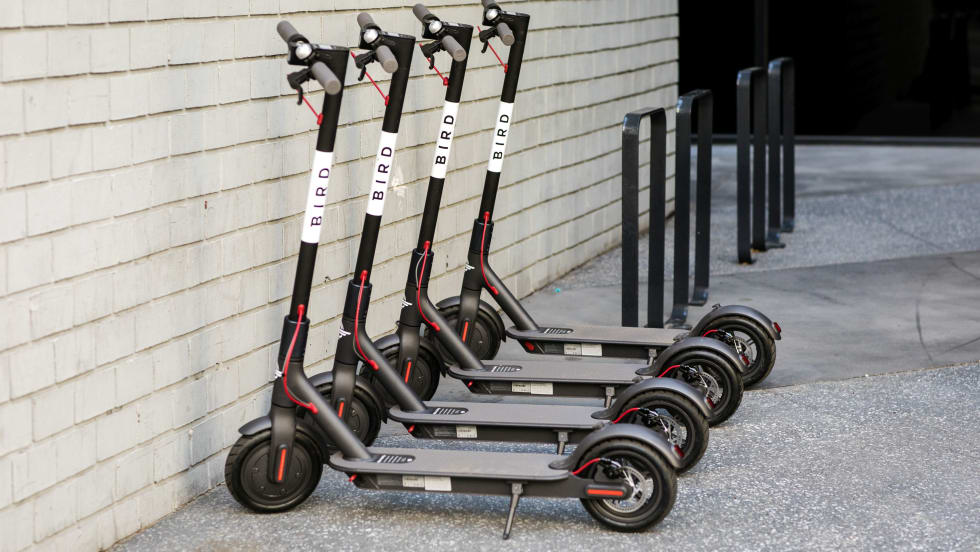
METRO spoke to Louis Pappas, sr. manager, transportation & mobility policy, at Bird about the ideal application and how it reduces car trips.
Read More →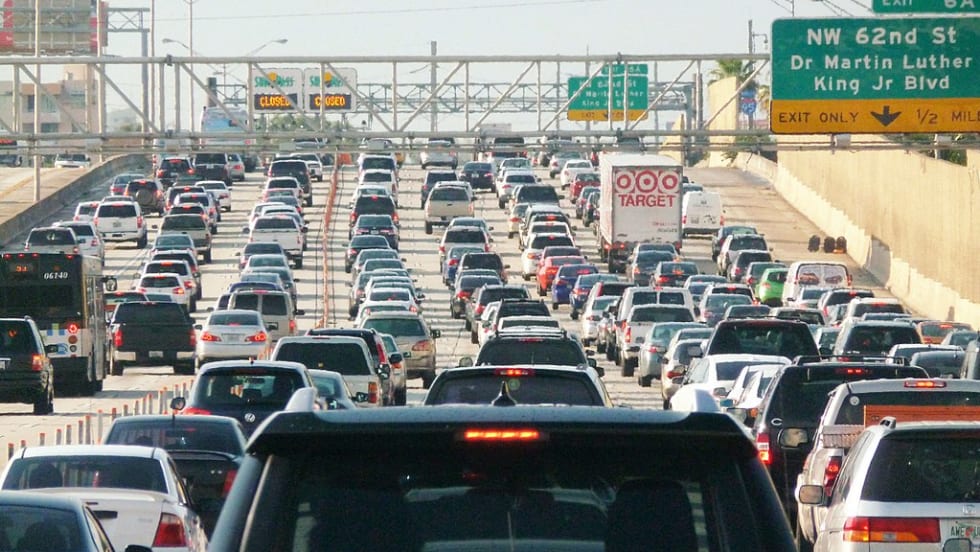

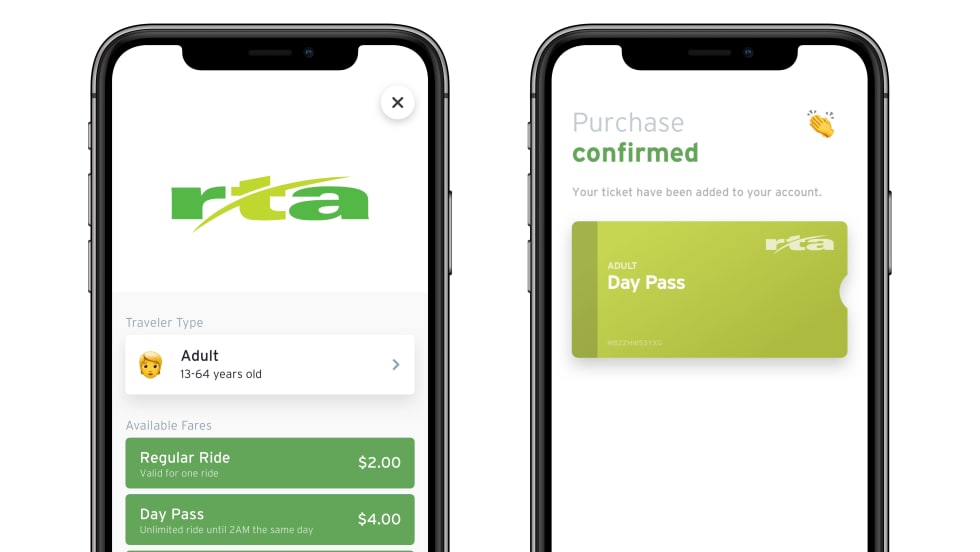
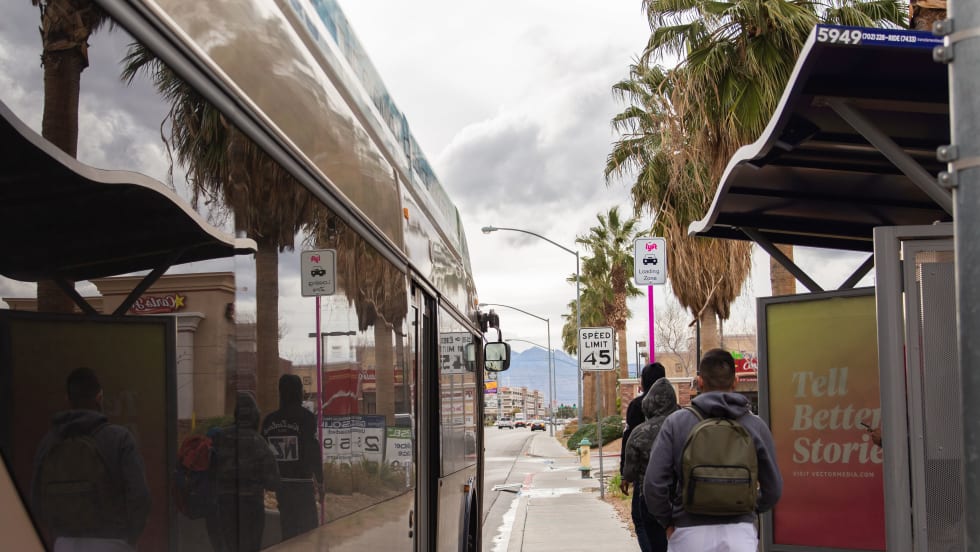

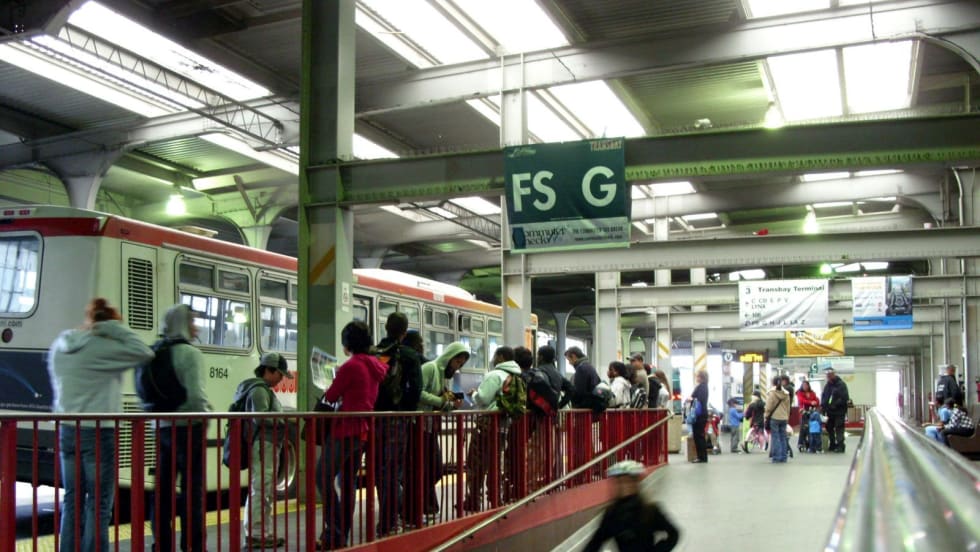
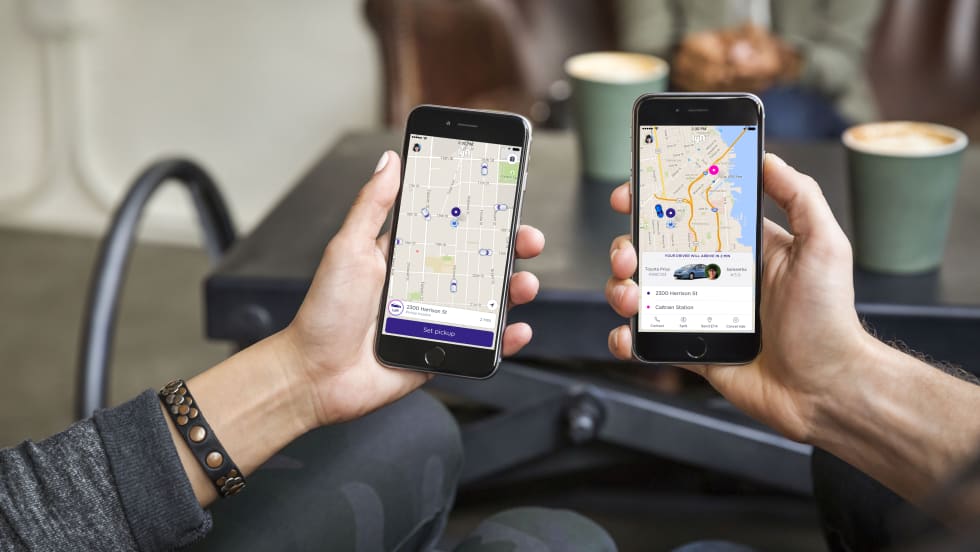

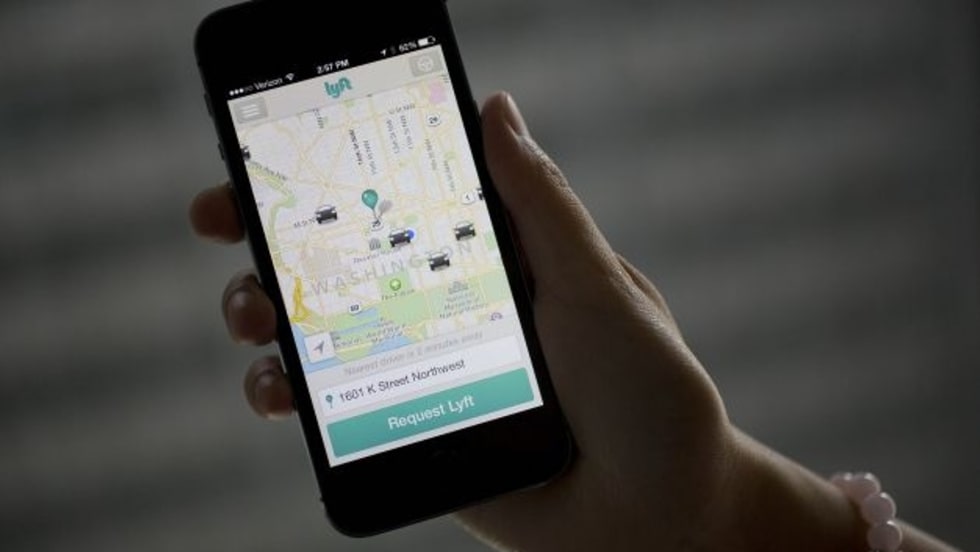
TNCs, microtransit operators, and electric car manufacturers are fighting over the low-hanging fruit of the upper- and middle-class passenger market.
Read More →Companies, like Uber and Lyft, will receive a subsidy on a per-hour basis for every hour that wheelchair-accessible vehicles are available for use.
Read More →Will enable users to plan and complete multimodal transportation trips via real-time information.
Read More →Ride-hailing companies are fast becoming key partners in quest to offer transit customers more options in hopes of improving both ridership and connectivity.
Read More →By working in tandem, these elements will result in better public transportation infrastructure, more egalitarian access to transit options, affordable or free services, and a healthier environment.
Read More →In the next three to 15 years, autonomous vehicles will be the norm for commuting and other trips.
Read More →After TNCs enter a market, heavy rail ridership can be expected to decrease by 1.3% and bus ridership by 1.7%.
Read More →Firms selected will be contracted to provide service proposals for flexible, efficient, and effective mobility services.
Read More →Today, 36% of U.S. adults say they have used a ride-hailing service such as Uber or Lyft, according to the Pew Research Center.
Read More →