




RELATED: How transits are alleviating demand for paratransit
MBTA teaming with TNCs to support more wheelchair-accessible vehicles
Companies, like Uber and Lyft, will receive a subsidy on a per-hour basis for every hour that wheelchair-accessible vehicles are available for use.
April 5, 2019

2 min to read

The Massachusetts Department of Transportation (MassDOT) and the MBTA launched a one-year pilot program that provides financial incentives to transportation network companies (TNCs) in an effort to increase availability of wheelchair-accessible vehicles (WAVs). During the pilot program, Uber and Lyft will receive a subsidy on a per-hour basis for every hour that wheelchair-accessible vehicles are available for use.
“This pilot is an innovative way to expand the availability of accessible vehicles through the use of existing technology,” said MassDOT Secretary and CEO Stephanie Pollack. “As we continue to hone our focus on the people we serve, we hope to strengthen our understanding of how we can better meet the needs of our customers.”
Established in October 2016, the MBTA’s paratransit pilot with Uber and Lyft offers on-demand ride-share services to RIDE customers. The new initiative was developed in response to feedback provided to the MBTA during the existing pilot that wheelchair-accessible vehicles are not widely owned by ride-share drivers due to high costs.
The one-year WAV subsidy pilot will provide a fixed per-hour subsidy for each hour that an Uber or Lyft WAV is available on TNC platforms. The per-trip fee assessed through the 2016 Act Regulating Transportation Network Companies will be used to reimburse participating TNCs in exchange for providing on-demand WAVs within The RIDE service area. It has been estimated that this subsidy will cover approximately 50% of actual WAV supply cost with TNCs contributing the remainder. While the one-year pilot will launch within the RIDE service area, MassDOT and the MBTA will explore similar pilot options for regions outside the service area if this pilot is deemed successful.
TNCs will be reimbursed on a weekly basis by the MBTA according to the number of “WAV Supply Hours,” which is a measure of the availability of wheelchair-accessible vehicles for use by customers. The expected annual cost of this one-year pilot is approximately $2.4 million; the goal if this pilot is to quadruple the WAV supply hours.
MassDOT and the MBTA will be collaborating with the participating TNCs in educating the public about the increased supply of accessible vehicles through targeted marketing and community engagement. During the one-year pilot, success will primarily be measured based on WAV reliability, average fulfilled trip estimated time of arrival, completed WAV trips per month, and WAV Supply Hours. New information will be provided on a monthly basis to allow the MBTA to monitor the program and make programmatic changes as necessary.
More Paratransit

People Movement: Dan Dipert Coaches Adds Third-Generation Leader, Keolis Names New Valley Metro VP/GM, and More
In this edition, we also cover recent appointments and announcements at the Wabtec, SilverRide, HNTB, and more, showcasing the individuals helping to shape the future of transportation.
Read More →
Biz Briefs: RIPTA Unveils New Frontrunners, Clevland RTA Adds New Siemens, and More
In METRO's latest installment, we take a look at recent news from Siemens, Prevost, Dodge, and more partnerships making headlines across the transportation sector.
Read More →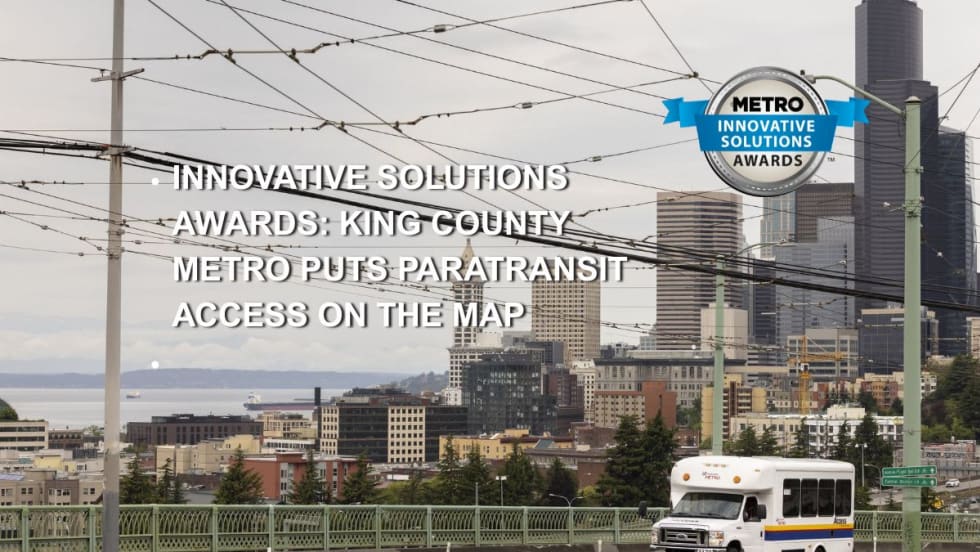
King County Metro Makes ADA Paratransit Easier to Navigate
METRO's Innovative Solutions Award winner replaces complex service-area descriptions with an accessible, interactive map that puts paratransit information directly in customers’ hands.
Read More →
Jacksonville’s NAVI Project Charts a New Course for Autonomous Public Transportation
Through its NAVI program, JTA is showing how autonomous vehicles, intelligent infrastructure, and coordinated operations can work together to deliver everyday public transportation.
Read More →
Driving Smarter Paratransit
John Hanlon shares how AlphaRoute is leveraging AI-powered technology to help paratransit providers optimize operations, support frontline staff, and enhance the rider experience.
Read More →
METRO Magazine Announces 2026 Innovative Solutions Awards Winners
Projects Recognized for Advancing Mobility Through Technology, Accessibility, Workforce Innovation, and Operational Excellence
Read More →
Biz Briefs: STV teams with Amtrak, Motorcoach Operators Boost Fleet and Land Contracts, and More
From manufacturers and suppliers to transit agencies and motorcoach operators, these updates offer a snapshot of the projects, partnerships and business moves driving the industry forward.
Read More →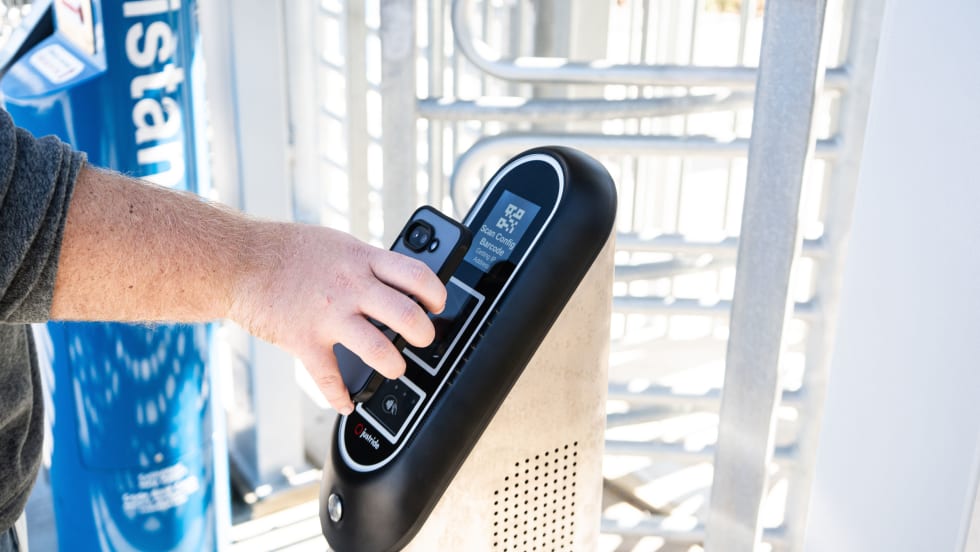
Biz Briefs: Masabi Teams with St. Louis Metro and More
In METRO's latest installment, we take a look at recent news from Transdev, Hitachi, and more partnerships making headlines across the transportation sector.
Read More →
New York MTA Leverages Zoning Program to Advance Station Accessibility
Accessibility enhancements at Nevins St Station will be financed through a development agreement tied to the MTA's Zoning for Accessibility initiative.
Read More →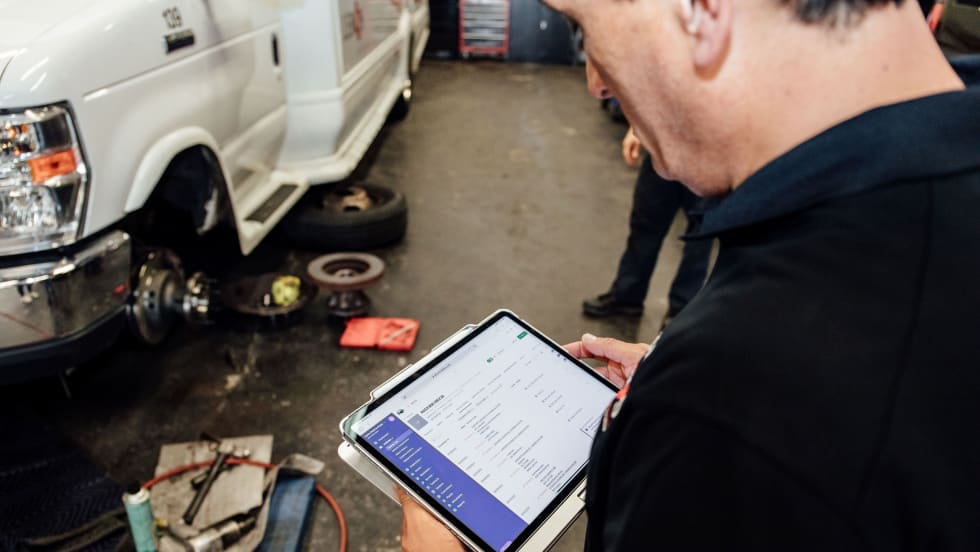
Reinventing Fleet Maintenance with Real-time Visibility and AI
Transit leaders need to know what needs fixing, where to look, who is responsible, when work is completed, and what it costs without having to chase information across disconnected systems.
Read More →