




RELATED: TNC partnerships can boost transit's mobility options
Transportation innovation steers mobility for all
TNCs, microtransit operators, and electric car manufacturers are fighting over the low-hanging fruit of the upper- and middle-class passenger market.
April 17, 2019
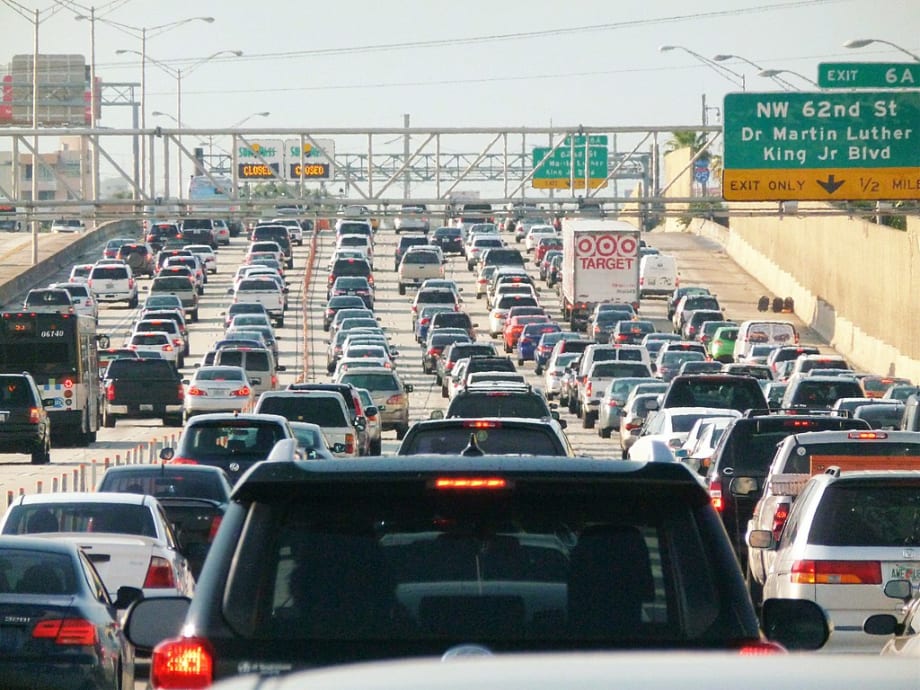
Many Americans struggle to get to work, medical appointments or the grocery store daily or weekly.
5 min to read
Many Americans struggle to get to work, medical appointments or the grocery store daily or weekly.
In the U.S., we love our cars and prefer to drive alone. More than 90% of Americans owned personal automobiles in 2017, and 21% of families had more than three cars per household, says the U.S. Census Bureau. According to the World Health Organization, about 265 million cars are registered in the U.S. This high level of automobile ownership is evident during the morning and evening commutes in urban centers. In fact, we love our cars so much that we spend hours stuck in traffic daily while traveling to work, school, and places of worship or medical appointments.
While middle- and upper-income families in San Francisco rely on approximately 1.1 cars per household, which is less than the nationwide average of 1.8 cars per household (Governing.com), they have many other transportation options: shared cars, taxis, Uber, Lyft, and rides from other transportation network companies (TNCs); personal and shared bikes; personal, and shared scooters; and public transit including commuter rail, light rail, buses, bus rapid transit, ferries, paratransit, and microtransit vehicles that provide on-demand shared rides.
Yet low-income families do not have these same transportation options. Many Americans struggle to get to work, medical appointments or the grocery store daily or weekly. They may not own a car or a bicycle, and they may not be able to afford TNCs or public transit.
Other barriers to entry for greater mobility: not everyone has a smart phone, bank account, or credit card. Some people do not interface well with smartphones and new technology. Many of the unbanked don’t have the resources to keep an account open or maintain good credit. Regardless of their income level, people of all walks of life should have access to transportation options when they need to travel to work and events throughout our communities.
The path to free transit
There are many environmental, productivity, and quality-of-life reasons to get behind and support electric cars and greater mobility, but we must ensure all Americans participate in this transportation revolution. If more people use electric vehicles, the vehicles will be more affordable. The auto industry and TNCs need to make the switch to fully-electric vehicles. California is leading the nation in installing more electric vehicle recharging infrastructure, which will help; the nation should follow.
TNCs, microtransit operators, and electric car manufacturers are fighting over the low-hanging fruit of the upper- and middle-class passenger market. This business model targets high-net-worth individuals who already have many transit options and does not address the barriers to entry for low-income citizens who are the most transit dependent. Many of us can understand the TNC or microtransit business case to grab market share, but cities, states, and the federal government will need to get involved to ensure mobility is equitable for everyone. TNCs must work with policy makers to reduce the barriers to entry for greater mobility.
If we turn the TNC and microtransit business case upside down for autonomous/electric vehicle (AV/EV) infrastructure and distribution, we would find a lot of riders to fill those empty seats. To serve all, TNCs must include unbanked, disabled, and transit-dependent individuals in their client base. We’re talking about economical, accessible TNCs that accept cash or other payment options. Throw AVs into the mix, and as they gain support, they will become more affordable and eventually free for all people. Perhaps this is the path to free transit.
Investment in public transit is critical
Public transit also plays an important role in ensuring mobility for everyone. Cities, planning commissions, and other government officials need to adjust policies to make transit more affordable and allow all citizens to have a seat and voice at the table. Investing more in public transit and less in highway infrastructure can make a big difference in coverage areas and efficiency.
The U.S. transit infrastructure has received a failing grade (D-) yet again from the Society of Civil Engineers in the 2017 Infrastructure Report Card. “The 2017 grades range from a B for Rail to a D- for Transit, illustrating the clear impact of investment — or lack thereof — on the grades.” According to the report card, the need for infrastructure investment is more than $2 trillion.
President Trump’s infrastructure plan shifts most of the burden of highway and transit infrastructure spending to states and local government. Historically, the federal government funded 50% of projects, and the rest was covered by state and local matches. Now, the federal government provides approximately 20%, requiring state and local governments to come up with 80% of the costs. Highways receive a higher percentage of funding than transit. To meet the demand and have more people to take transit, a much greater investment in transit is needed. As we succeed in getting more cars off the road, we will also protect the environment.
Food for thought: What can Americans do to improve equity and inclusion? Drivers can share a ride or bring a friend, even if they don’t own an EV. More people must take transit, bike, skate, scoot, roll, walk, and use other non-auto means of transport. Middle- and upper-class individuals ought to transition to fully-electric vehicles or give up their cars completely. Voters can support transportation measures that fund transit and favor electric vehicles and other clean technologies.
Public transit ownership of MaaS
Supporting Mobility as a Service (MaaS), integrating modes of transit, is another solution. Thought leader Matt Cole states in a Meeting of the Minds article on MaaS, “… where public transit agencies take complete ownership of MaaS and are able to define how future mobility offerings should interact and connect with transit, everybody wins — including private operators, public transit agencies, cities, and most importantly, travelers themselves.”
If we don’t do something soon, the “mobility divide” will get larger. It’s time to make a commitment. Strengthening public-private partnerships and increasing investments in transportation infrastructure will improve everyone’s quality of life. Educating people about transit choices and increasing the number of public transportation and MaaS riders can lower costs and spread infrastructure investments over a greater pool of individuals. Providing free transportation is even better.
Walter E. Allen founded Acumen Building Enterprise Inc., follows transportation trends and writes about improving mobility. You can find him on Twitter @AcumenTransit.
Subscribe to Our Newsletter
More Blog Posts
Building a Winning FTA Grant Proposal: Why Propane Autogas is the Pragmatic Choice for Fleet Resilience
With $610 million available through the FY 2026 Buses and Bus Facilities Competitive Program and the Low or No Emission Grant Program, agencies must build a compelling case before the September 21 deadline that balances environmental compliance with operational feasibility.
Read More →
Velo-city Conference 2026: Latest Trends in Cycling as Part of Urban Mobility
The global cycling conference highlighted how cities are integrating bicycles into multimodal transportation networks, expanding cycle tourism and reshaping urban mobility.
Read More →
Kindness Isn’t Soft...It’s Strategic.
Mike Bismeyer — often known as “The Kindness Guy” — has spent more than 17 years in public transit and mobility, serving in industry leadership roles, speaking across North America, and advocating for stronger workplace cultures. But his message doesn’t come from theory. It comes from lived experience.
Read More →
Inside ITF 2026: Transport Reacts to A Challenging World
Transport leaders from around the world gathered in Leipzig, Germany, for the 2026 International Transport Forum to discuss resilience, climate impacts, supply chains and the future of sustainable mobility.
Read More →
Every Ride Tells a Story — But You’re Not Just Selling the Ride
You’re selling the moment, the meaning, and the emotion behind it.
Read More →
How Digital Signage is Reshaping the Traveler Experience at Transportation Hubs
What was once a landscape of static signs has evolved into a responsive, immersive environment powered by real-time visual communication.
Read More →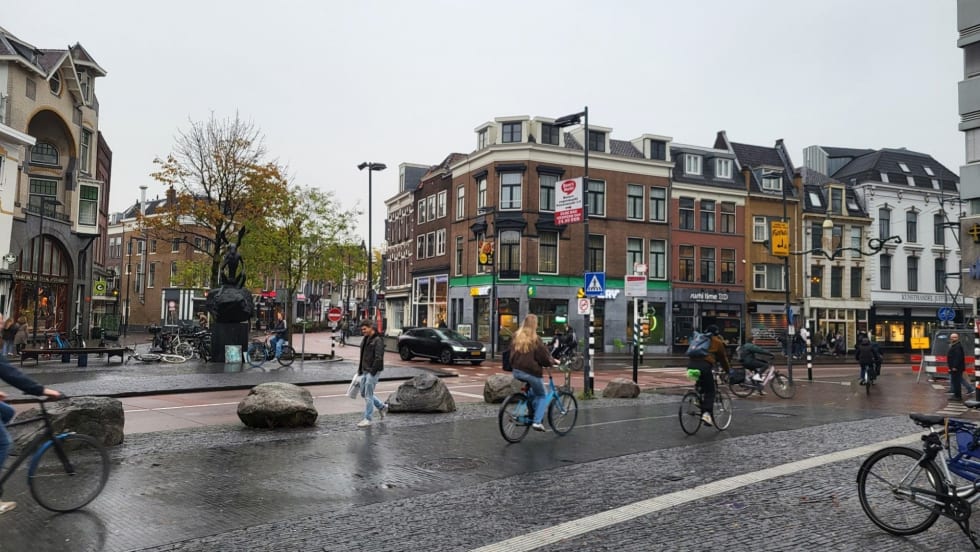
Latest Trends in Urban Mobility from Polis Conference 2025
Polis comprises cities and regions, as well as corporate partners, from across Europe, promoting the development and implementation of sustainable mobility. This year’s event had over a thousand attendees across various policy forums and an exhibition.
Read More →
Why Transit Leaders Require Better Tools for Operational Clarity In Today’s Tech-Fragmented Environment
Across North America and beyond, transit agency officials are contending with a perfect storm of operational headaches and strategic challenges that hamper daily service and long-term progress.
Read More →
The Powerless Brokers: Why California Can’t Build Transit
It is no secret that transit in the U.S. is slow and expensive to build.
Read More →
Why Transport Sustainability Should Focus on People Instead of Cars
Simply incentivizing electrification is not enough to make a meaningful impact; we must shift our focus toward prioritizing public transportation and infrastructure.
Read More →