
Metro Magazine

 MENU
MENU SEARCHMENUSEARCH
Loading data...
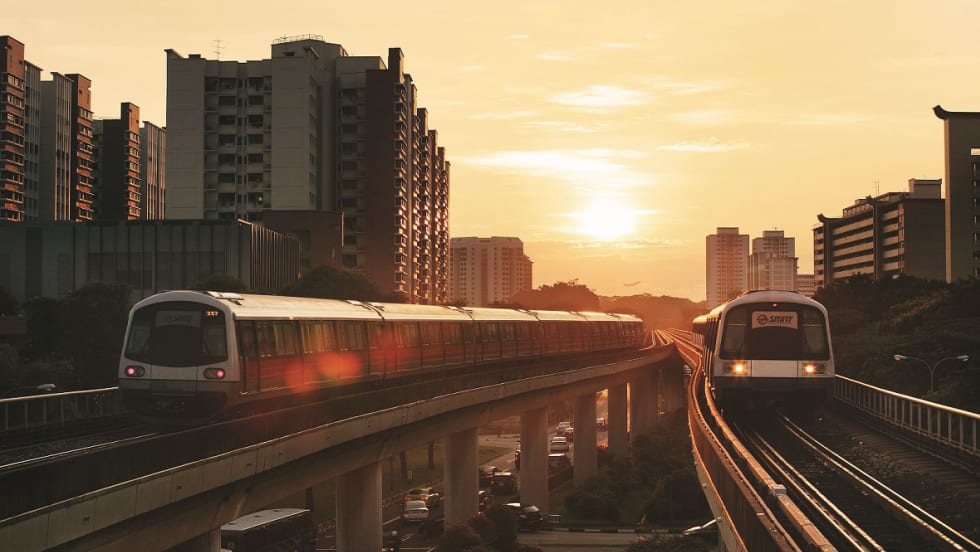
Cities who embrace technology and have proactive regulation will become leaders in the mobility revolution.”
Read More →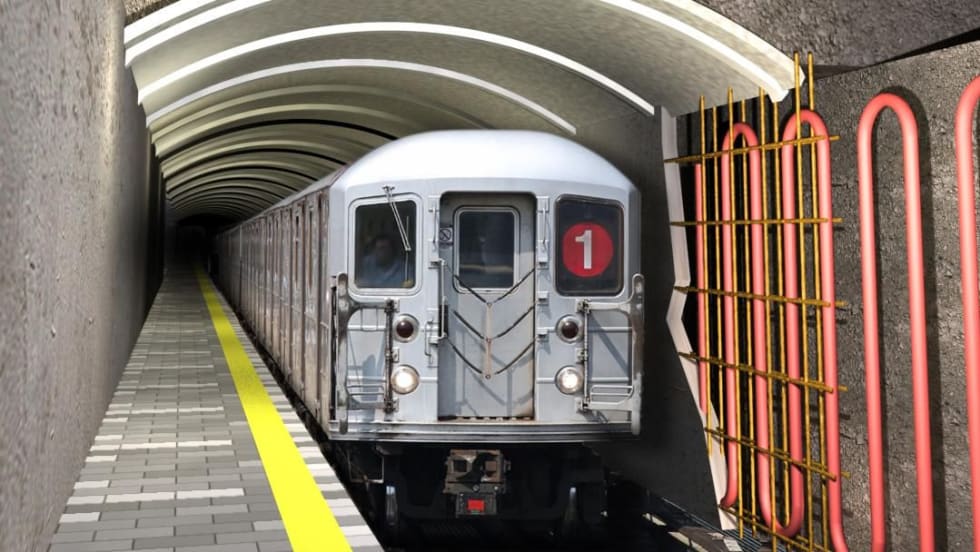
Heat from the tunnel would cover up to 80% of the heating needs of local apartments in Lausanne, Switzerland throughout winter.
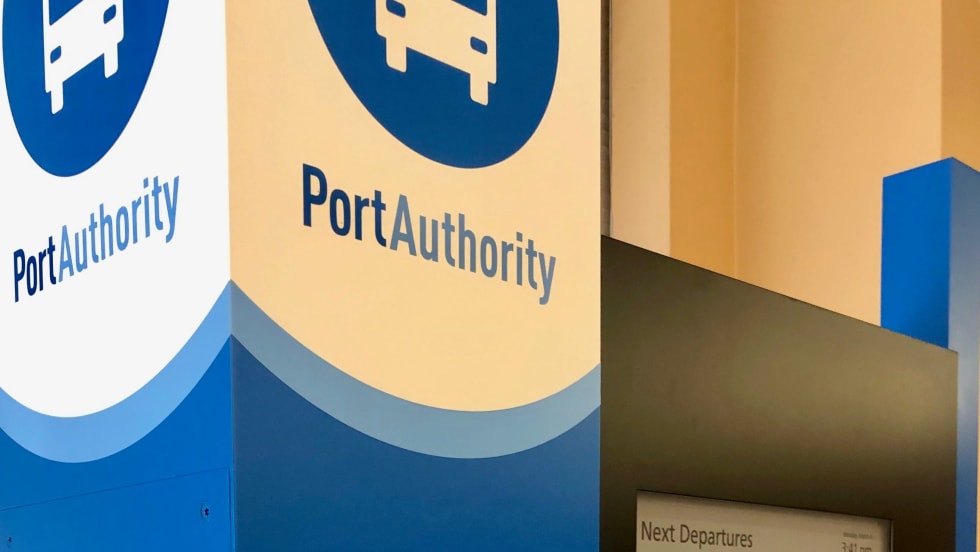
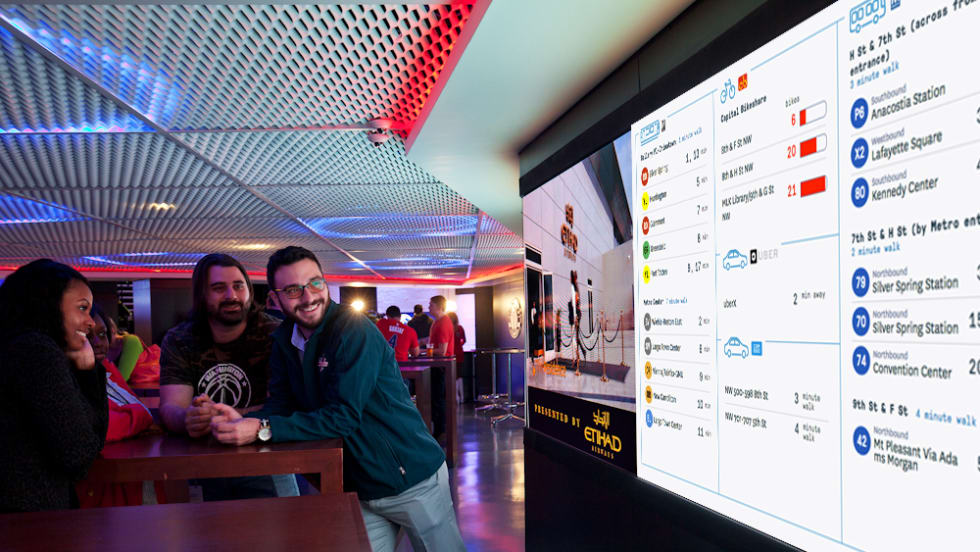
Read More →Comes after the Digital Bus Stop displays prove to be succesful in carrying out the mission to improve rider experience.
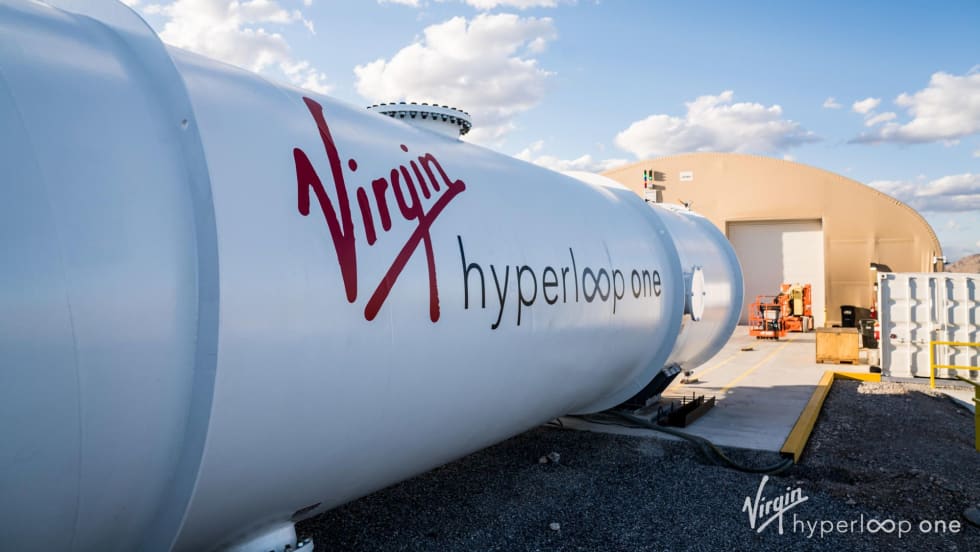
Read More →Company focus begins with implementation of the world’s first hyperloop system running from Pune to Mumbai in India.
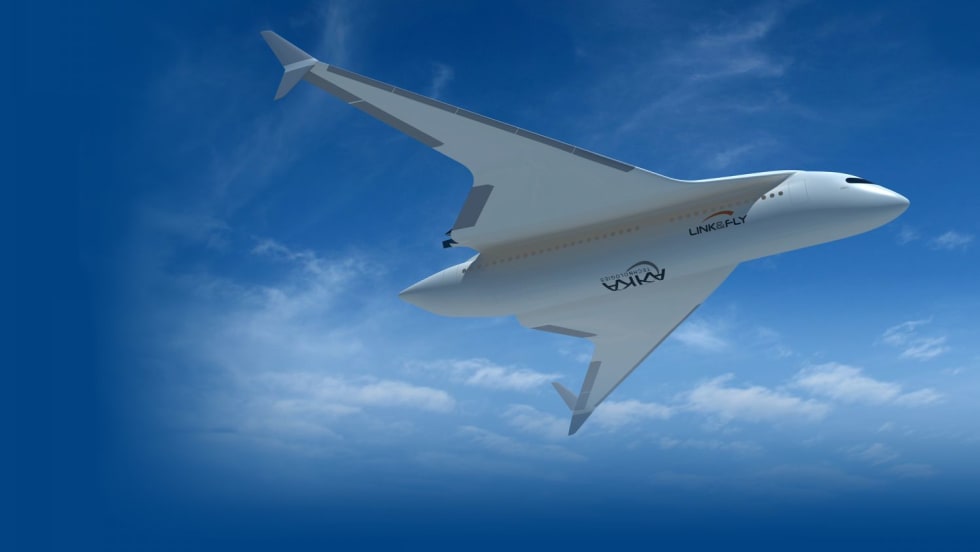
Read More →Aircraft design features detachable wings to hasten turnover at airports and make boarding easier and closer to passengers’ homes.
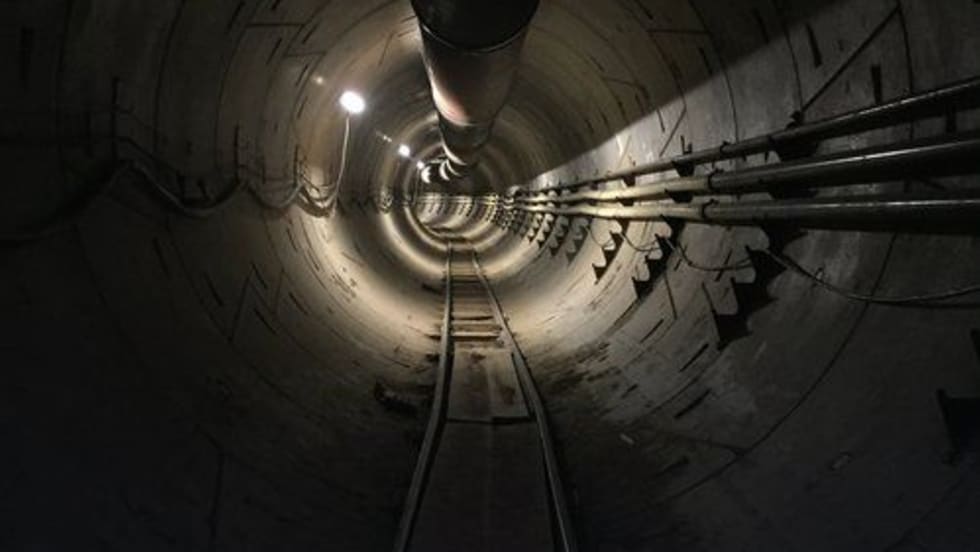
Read More →The plans for the privately funded transportation tunnel underneath the Westside of the city were presented at a council meeting on Monday.
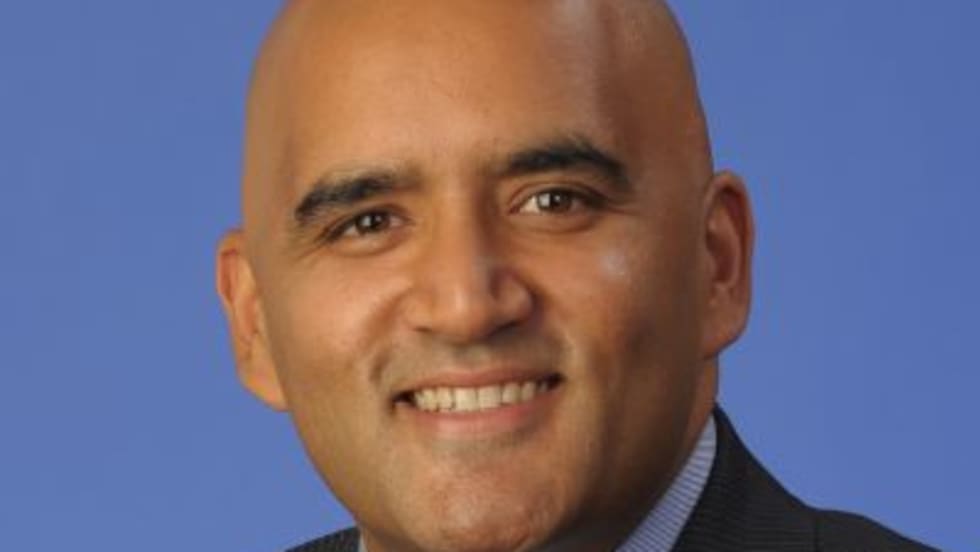
Read More →Bhatt joins the association with an extensive background in promoting and advocating for intelligent transportation, most recently as the executive director of Colorado DOT.
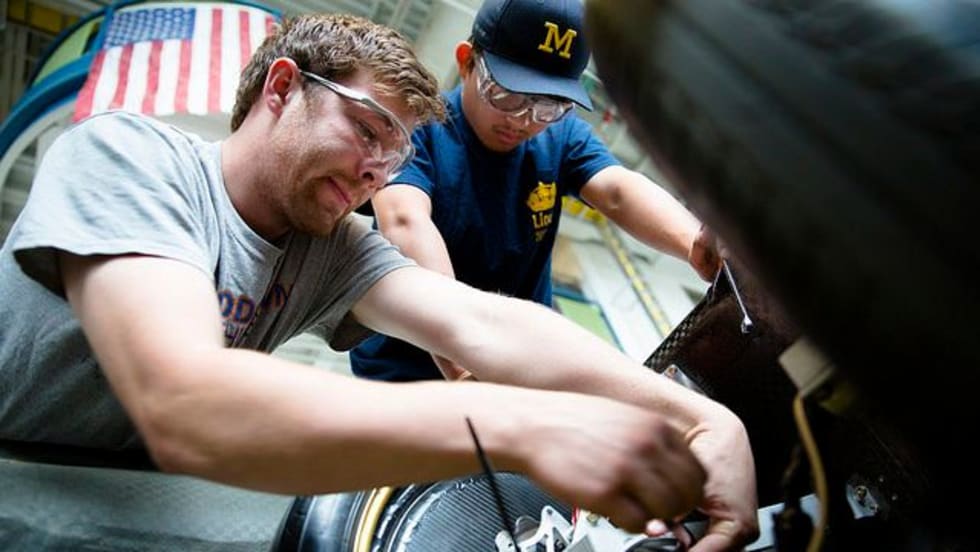
Read More →The statewide program funds translational research applications in advanced transportation materials, robotics and autonomy, sensors, electric vehicle drivetrain/propulsion, software/controls/data, and advanced manufacturing processes.
Read More →The two companies use real-time, multi-screen displays to help city residents and visitors navigate infrastructure and urban transportation.
Read More →Without a concurrent shift away from private vehicle ownership and toward ride sharing, the potential for electric, autonomous vehicles to reduce traffic and sprawl are severely limited.
Read More →