
Metro Magazine

 MENU
MENU SEARCHMENUSEARCH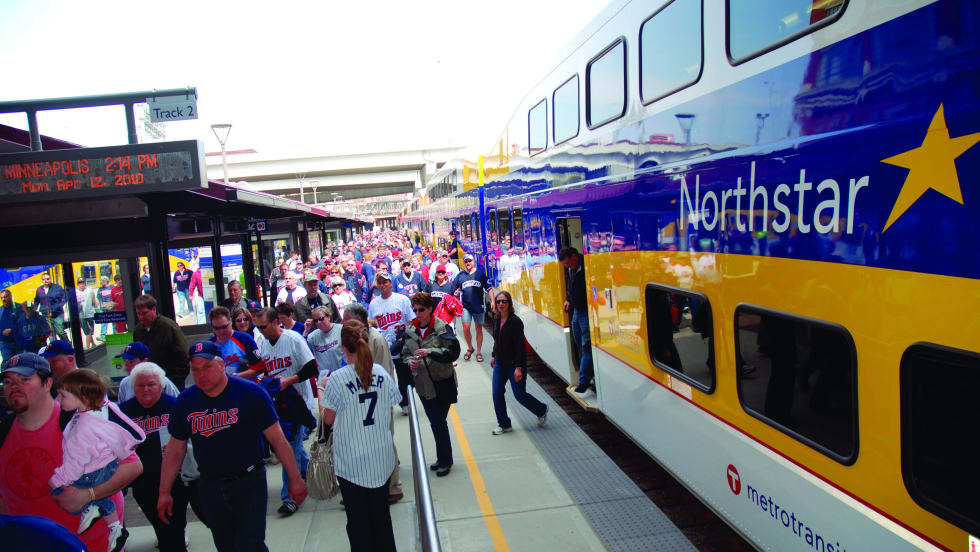
The Northstar Commuter Rail line had a particularly strong year, with ridership up more than 12%.
Read More →
While train ridership between Princeton and Princeton Junction went down by 12.3%, overall transit ridership increased at the university in September and October, compared to the same months last year.
Read More →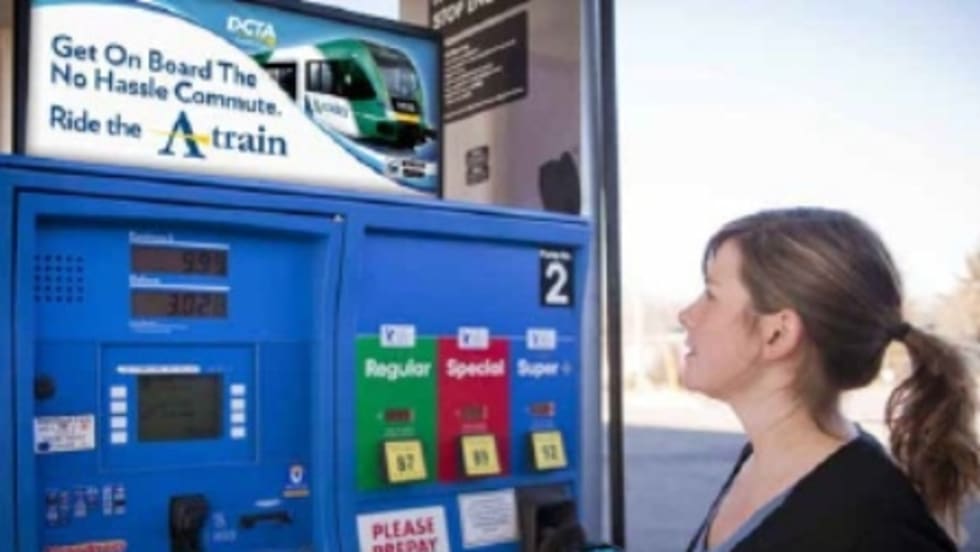
The agency is looking to increase A-train ridership by encouraging current and potential passengers to ride its commuter rail to avoid heavy traffic on I-35E for a hassle-free commute.
Read More →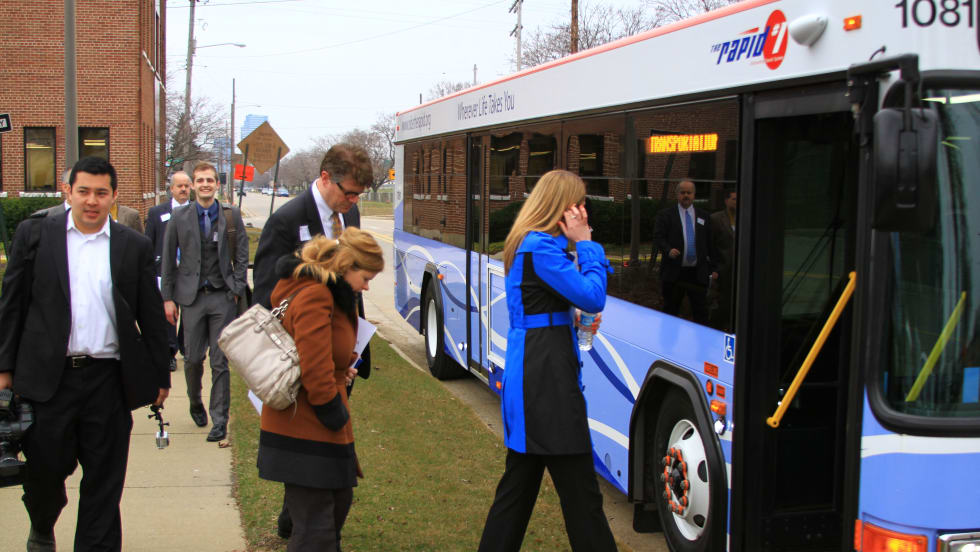
Peter Varga’s theme for his year as chair is “America’s Future is Riding on Public Transportation.” This is reflected in his success at accommodating increasing ridership and improving job access as CEO at Michigan’s The Rapid and his work with APTA on a reauthorization plan.
Read More →C-Van carried an estimated 229,970 passenger trips, its highest ever. Service officials are requesting an increase in the paratransit budget from C-Tran, the transit system that operates the service.
Read More →Carried more passengers than during any other year in its 25-year history of operation. According to records, 4,350,782 trips were taken on the commuter rail line in 2013, up from approximately 4,300,000 in 2008 when gas prices were at their highest.
Read More →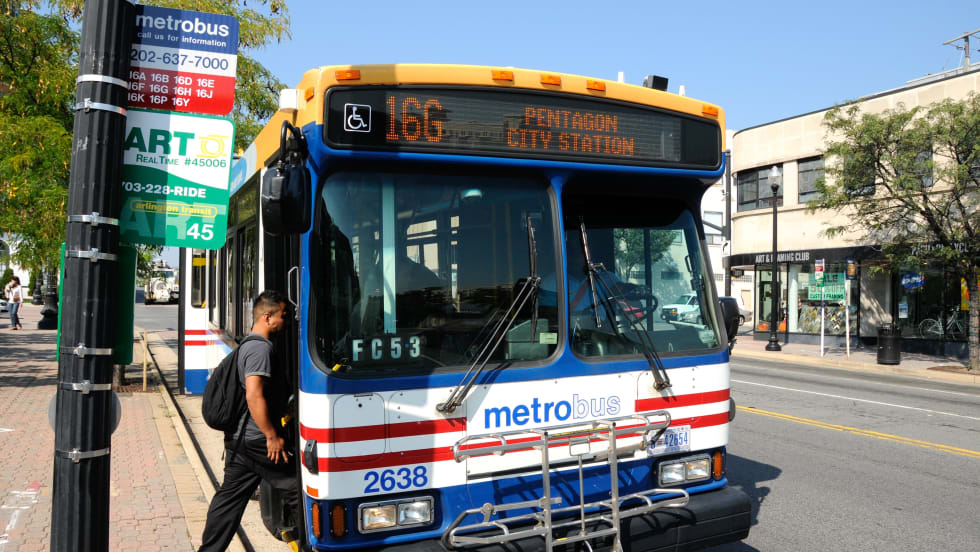
The report, which analyzes the D.C. Metro system, proposes that greater reliability of transit schedules could motivate more people to leave their vehicles at home and ride the bus.
Read More →The two-year pilot program, Metro ArlingtonXpress, has been logging about 250 passenger trips a day since it opened in August 2013.
Read More →Over the past 10 years, ridership on the Pacific Surfliner, the second-busiest rail corridor in the nation, and the San Joaquin, the fifth-busiest, increased by nearly one million passengers, and ticket revenues skyrocketed from $44 million to $102 million.
Read More →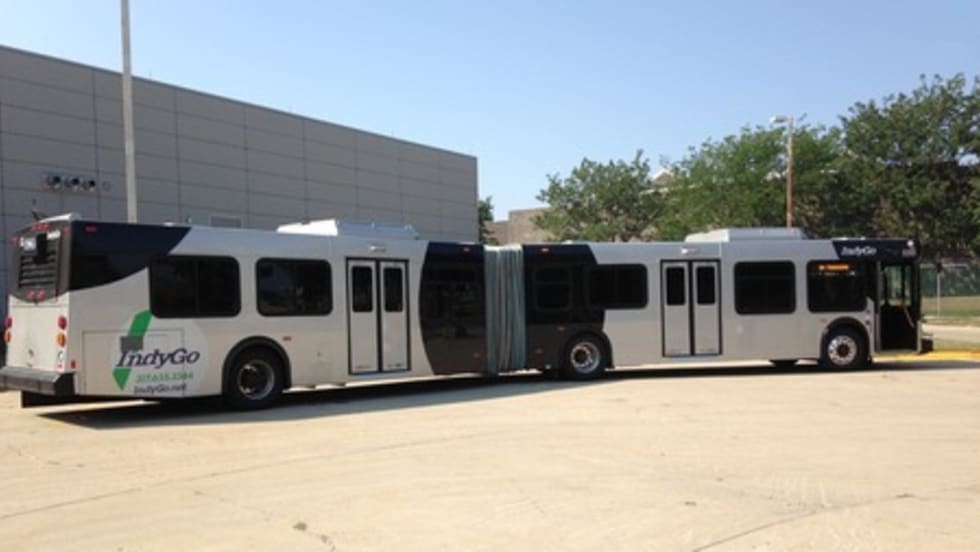
The necessity of buses has been proven by Routes 39 and 8 alone, which together delivered nearly 250,000 trips in September of this year, more than a quarter of the entire system’s ridership.
Read More →