
Metro Magazine

 MENU
 SEARCHMENUSEARCH
Loading data...
The selected projects include solutions such as implementing new cleaning and disinfecting protocols, contactless payment systems, and modernized data collection.
Read More →



Many policy makers are looking to various proposals to involve private capital to close the growing gap between the available tax revenues — especially at the federal level, but also, state and local taxes dedicated to transit — and what is needed, especially to maintain rail and bus systems adequately.
Read More →How fare collection standards can lower costs, simplify procurements and create regional interoperability for transit agencies.
Read More →As part of its revamped paratransit program, Metro provides travel training and outreach to customers with disabilities to teach them about the accessibility features of the bus and rail systems.
Read More →Proterra Powered battery systems are designed and manufactured in the U.S.
Read More →Each year, CVSA highlights certain aspects of the roadside inspection. This year, inspectors will focus on anti-lock braking systems and cargo securement to emphasize the importance of those aspects of vehicle safety.
Read More →The detection systems, being tested at a secret location, feature thermal imaging cameras, laser-beam transmitters and other high-tech tools intended to alert the motorman if someone falls on the tracks.
Read More →Early detection chemical sensors, cutting-edge incident management systems and video surveillance equipment all play a role in transit security. Integration and interoperability are prevalent features of new technology.
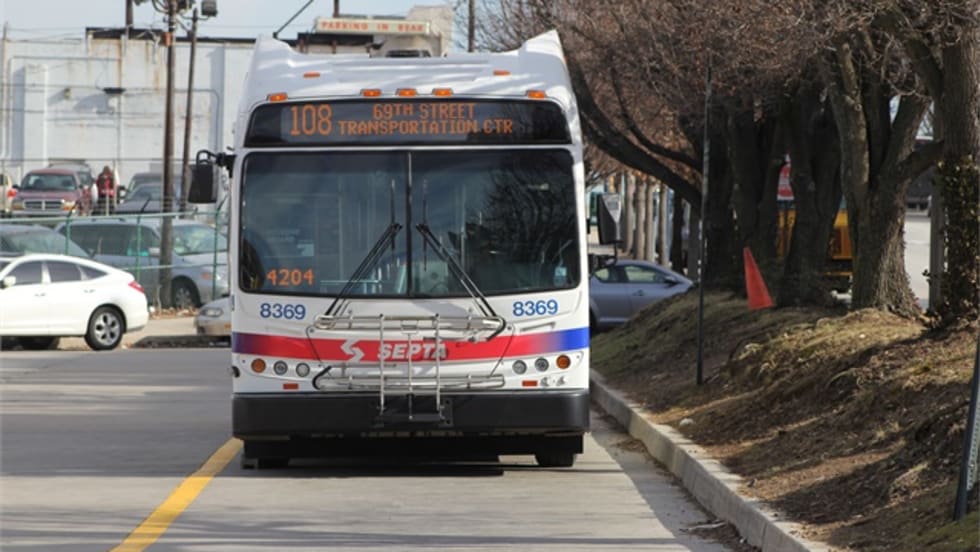
Read More →Seating estimates featured on the new online tool are based on ridership data that the agency collects from a mix of sources, including Automatic Passenger Counting systems and assessments by SEPTA personnel and traffic checkers.
Read More →System operators from Florida, Georgia, Illinois and Connecticut tell us about rapidly increasing ridership numbers and raising fees.
Read More →