
Metro Magazine

 MENU
 SEARCHMENUSEARCH
Loading data...

The spending plan represents an increase of just 1.9% over the current year and includes investments in new buses, additional full-length fare gates, and other customer enhancements.
Read More →


Scanlon shepherded SamTrans and Caltrain through two economic downturns and played a central role in achieving the financial stability both agencies currently enjoy.
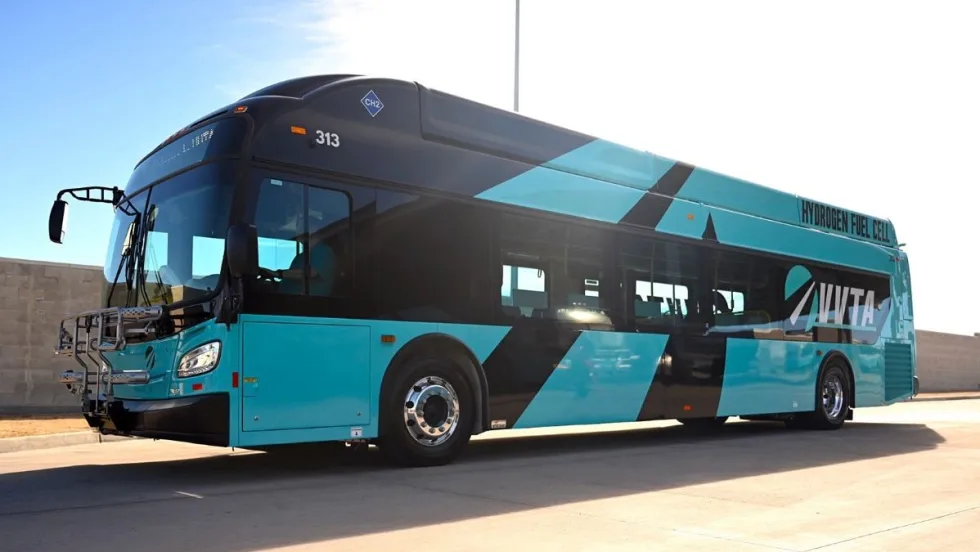
Read More →The introduction of hydrogen fuel cell buses represents a significant step forward in reducing emissions while maintaining reliable, high-quality transit service.
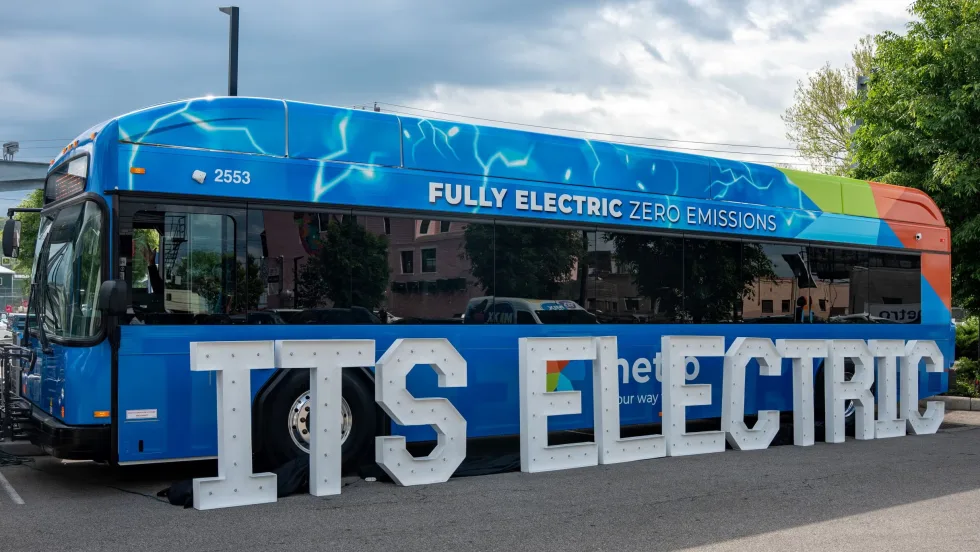
Read More →Two battery-electric buses entered service on Earth Day, with four additional vehicles expected to join the fleet this summer. Seven more buses are planned for the end of 2027, bringing Metro’s total zero-emission fleet to 13.
Read More →SEPTA was awarded $43 million in competitive grant funding from the FTA's FY25 Low and No Emission and Bus and Bus Facilities grant programs to support this procurement.
Read More →The new buses, operating under the CTtransit name, replace older vehicles in the fleet with newer, more fuel-efficient buses.
Read More →CALSTART’s latest Zeroing in on ZEBs report shows continued nationwide growth despite supply-chain challenges. The group’s Deputy Director of Transit, Mike Hynes, talked to METRO about how agencies are adapting procurement strategies, fleet plans, and more.
Read More →Biz Briefs covers the latest supplier news in the motorcoach and public transit industries.
Read More →The contract follows multiple prior orders from ETS, with New Flyer having delivered over 1,100 buses to the agency since 1992.
Read More →The deal includes the purchase of at least 100 new clean-diesel buses and options to purchase an additional 500 buses.
Read More →