



Cincinnati Metro Goes Electric
Two battery-electric buses entered service on Earth Day, with four additional vehicles expected to join the fleet this summer. Seven more buses are planned for the end of 2027, bringing Metro’s total zero-emission fleet to 13.

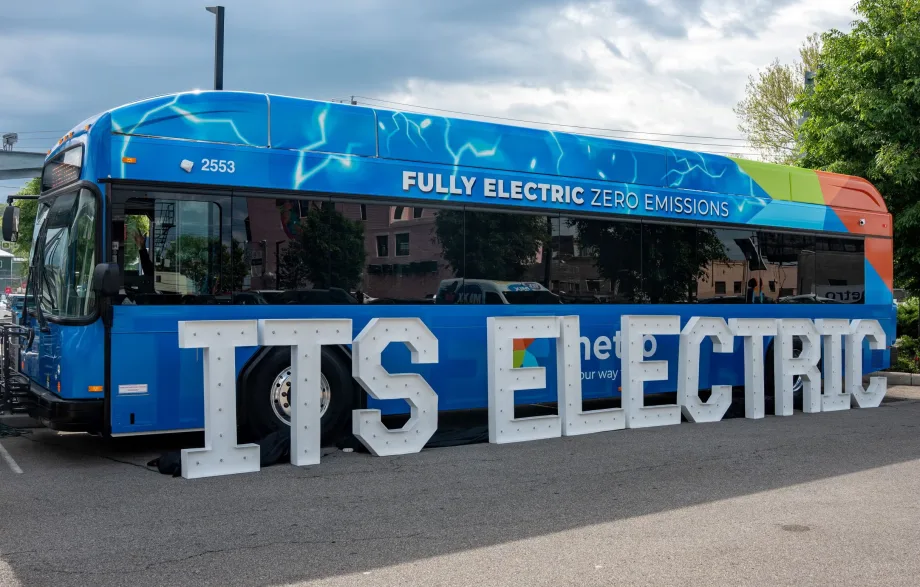
Metro integrated hybrid-electric buses into its fleet in 2023, building the foundation for full electrification.
Cincinnati Metro
- Cincinnati Metro launched its first battery-electric buses to promote a cleaner and quieter transit system.
- Initially, two battery-electric buses joined the fleet on Earth Day, with plans for four more in the summer and seven by the end of 2027.
- This initiative is part of Metro's Reinventing Metro plan, focused on improving service, access, and innovation.
*Summarized by AI
Cincinnati Metro officially launched its first battery-electric buses, marking a significant step toward a cleaner, quieter, and more modern transit system for the Cincinnati region.
Two battery-electric buses entered service on Earth Day, with four additional vehicles expected to join the fleet this summer. Seven more buses are planned for the end of 2027, bringing Metro’s total zero-emission fleet to 13.
The rollout is part of Metro’s Reinventing Metro plan, a long-term strategy to improve service, expand access, and invest in innovation across the system.
“This is the result of years of deliberate investment, planning, and partnership coming together to move our system forward,” said Brandy Jones, Metro’s chief communications and marketing officer. “We’ve taken a thoughtful, phased approach to introducing new technology, ensuring we have the infrastructure, training, and operational experience in place to deliver reliable service from day one.”
Metro’s Push to Attain Its Goals
Metro integrated hybrid-electric buses into its fleet in 2023, building the foundation for full electrification. Those vehicles have already delivered nearly 150,000 zero-emission miles, helping Metro prepare for full battery-electric technology.
In addition to improving the rider experience with a quieter, smoother ride, battery-electric buses produce zero tailpipe emissions. Over their lifetime, they are expected to eliminate nearly 20,000 tons of carbon emissions compared to traditional diesel buses.
Metro celebrated the launch with a public event at the Northside Transit Center, where community members had the opportunity to view the new buses and a ceremonial “flip the switch” moment marking the start of electric service.
Quick Answers
Cincinnati Metro officially launched its first battery-electric buses on Earth Day.
*Summarized by AI
More Zero Emissions
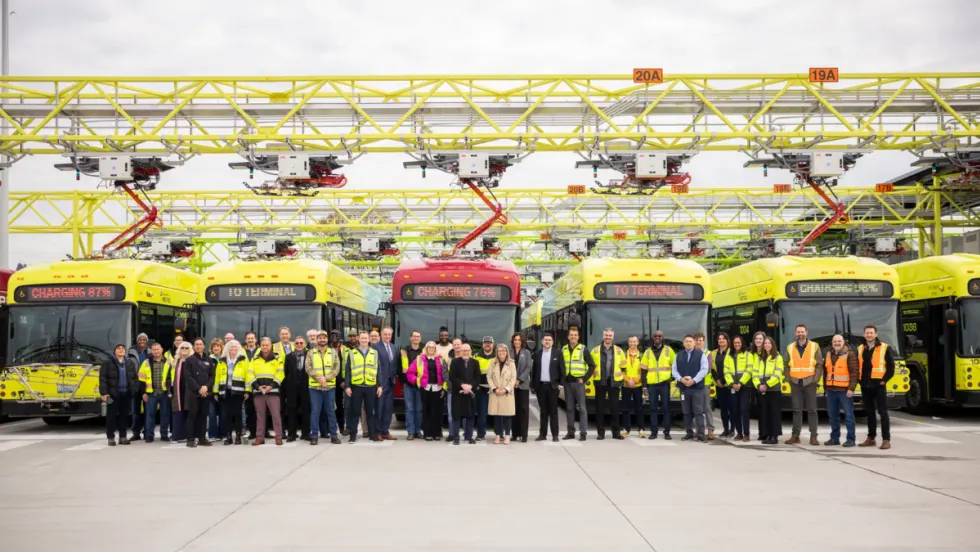
Seattle’s King County Metro Completes Construction of All-Electric Tukwila Bus Base
The 544,000-square-foot facility supports more than 120 battery-electric buses and currently serves five routes in Seattle and South King County.
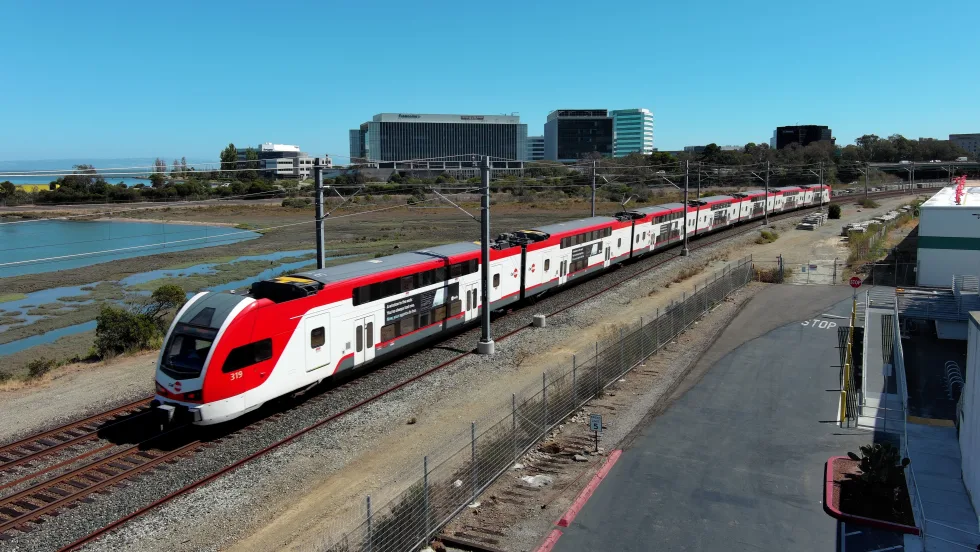
Caltrain’s Electrification Drives a New Era of Ridership Growth
The railroad’s shift to electric service has brought more frequent trains, stronger customer satisfaction, and increased ridership, earning it APTA’s Outstanding Public Transportation System award.
Building a Flexible Path to Transit Electrification with BAE's John Hroncich
John Hroncich discusses BAE Systems’ modular and scalable approach, lessons learned from decades of real-world operations, and how agencies can identify electrification strategies that fit their fleets.
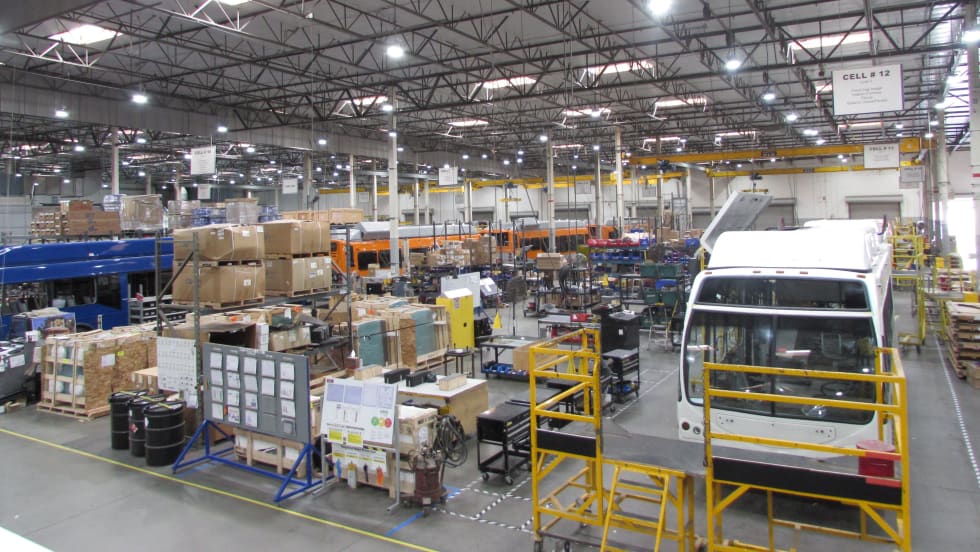
LA Metro Board Awards 220 Battery-Electric Bus Contract to ENC
The contract, which is the largest base award of battery-electric buses by a U.S. transit agency, will be built in Southern California, sustaining good jobs as LA prepares to welcome the world in 2028

Public Transit Conference Returning to GFX in 2027, Call for Papers Now Open
The Call for Papers is now open, allowing transit agency professionals and industry experts to help shape the PTC educational program by submitting session ideas for consideration.
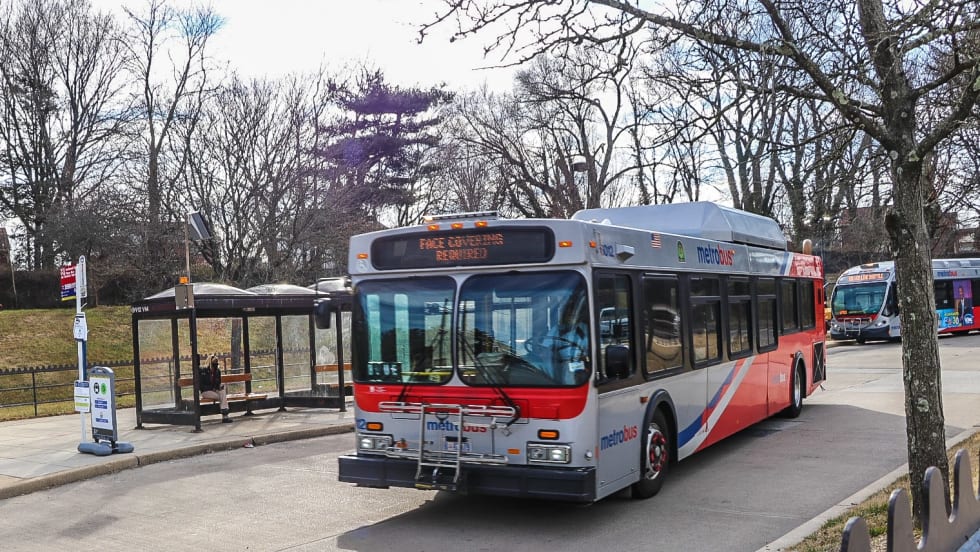
Report: Transit Bus Manufacturing Supports 34,100 Jobs, $5.1B in GDP
The “Buses Mean Business” report examines the transit bus manufacturing industry’s economic footprint, supply chain, and rising demand for vehicle replacements.
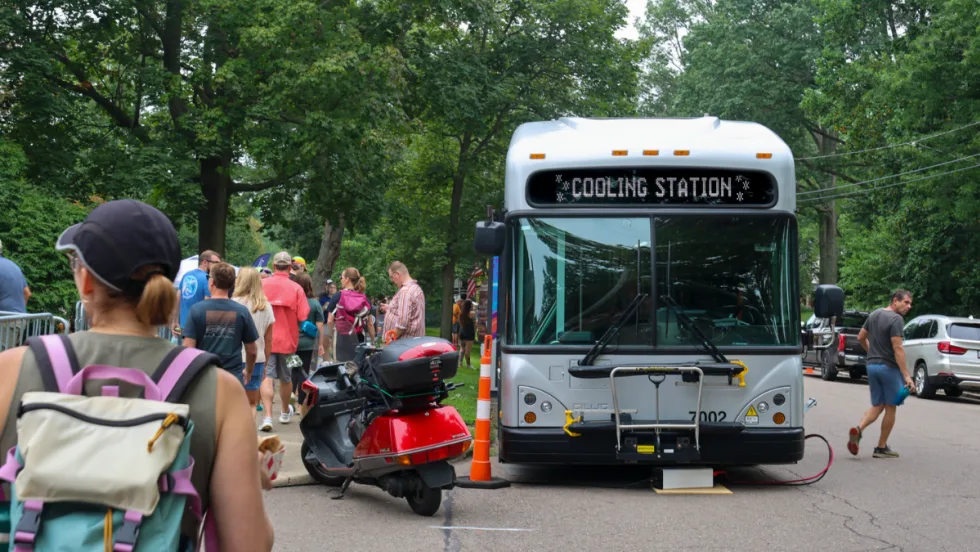
Ohio’s METRO RTA Turns Electric Buses into Mobile Power Sources at PorchROKR
See how three Gillig battery-electric buses powered festival stages while the agency’s new Park & Ride service carried approximately 1,000 attendees, demonstrating another potential use for transit agencies’ electric fleets.
CALSTART and Forth Combine to Form Catalyst Mobility
The new name represents a renewed vision for the nonprofit focused on advancing clean, equitable, and affordable transportation solutions that move people and goods.
Building a Flexible Path to Transit Electrification
John Hroncich discusses BAE Systems’ modular and scalable approach, lessons learned from decades of real-world operations, and how agencies can identify electrification strategies that fit their fleets.
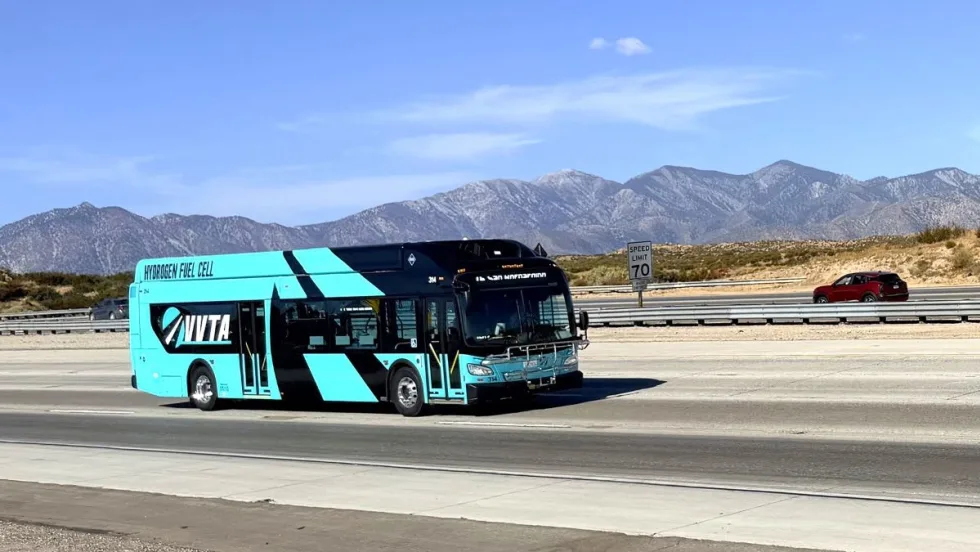
California's VVTA Begins Phased Rollout of Hydrogen Fuel Cell Buses
The agency is introducing 13 zero-emission buses into revenue service while evaluating performance across its urban, rural, and long-distance routes.