
Metro Magazine

 MENU
MENU SEARCHMENUSEARCH
Loading data...

Hopefully, as the trust funds are going bankrupt, Congress will address not only that issue but also answer the call for a long-term policy on at least coping with the risks of climate change.
Read More →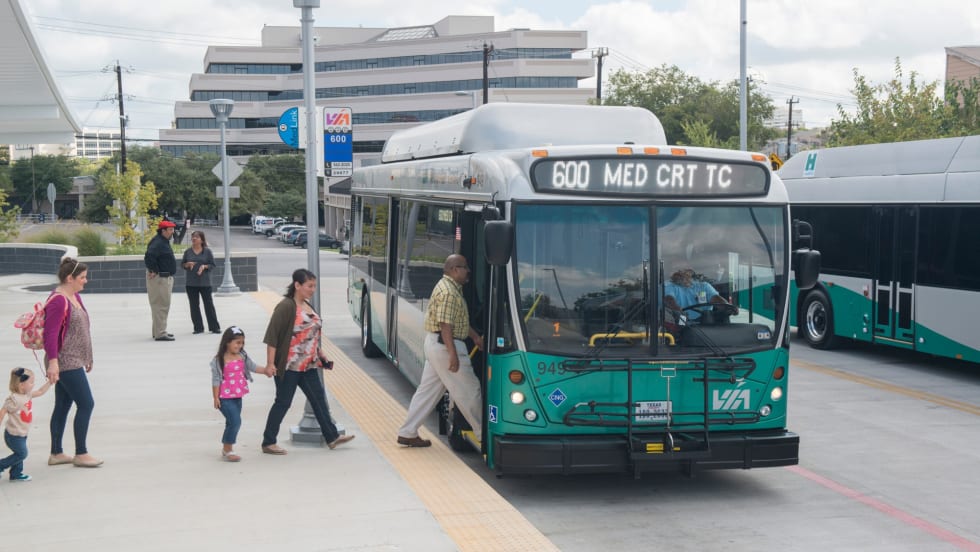

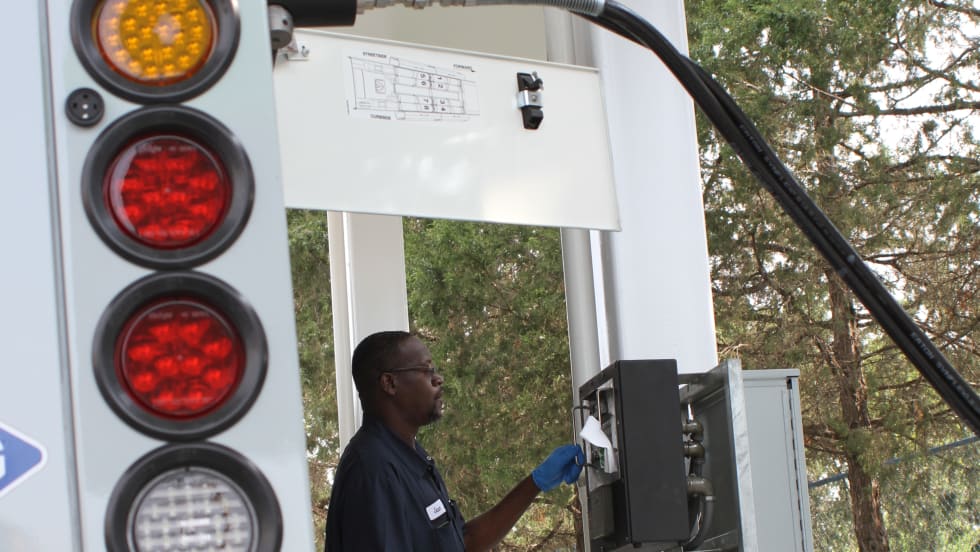
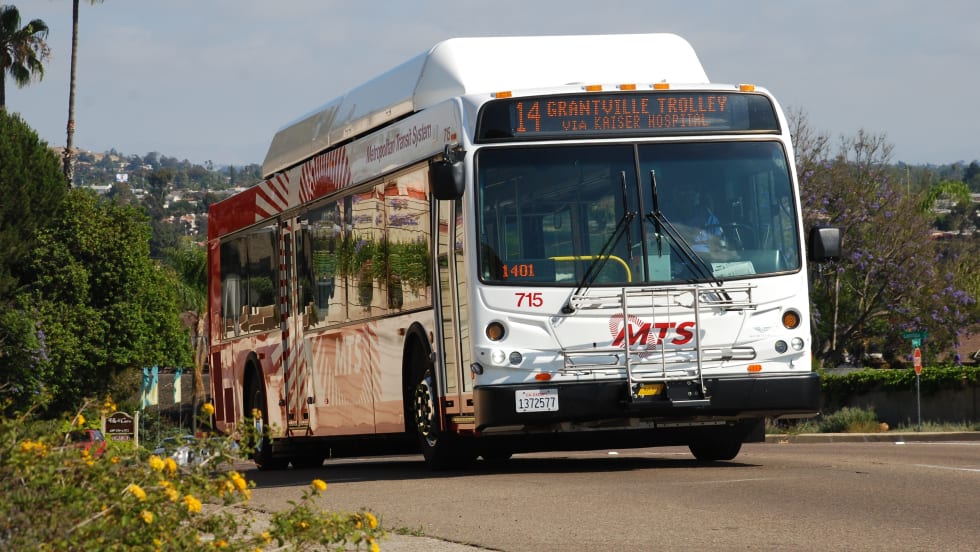
Driven by the lower cost of natural gas and the lower emissions from natural gas engines, compared to diesel fuel, operators of truck and bus fleets are increasingly shifting to natural gas vehicles. On average, the price of compressed natural gas is about 42% that of diesel.
Read More →San Antonio is among the fastest-growing cities in the country. According to the U.S. Census Bureau, San Antonio was ranked fourth in population growth from July 1, 2011 to July 1, 2012. An expanding population can represent a positive shift for a city; however, every community still faces challenges when managing rapid growth. For San Antonio, one significant challenge has been a marked increase in the number of vehicles on the road.
Read More →Four years after being unveiled for the Winter Olympics, the 20 buses will be replaced with diesel buses, which will be an estimated $2.5 million cheaper to run over the course of a year.
Read More →Lauren Skiver will be continuing an effort begun by Interim GM Roger Snoble asking staff to re-evaluate all aspects of the operations.
Read More →Within three years, the agency is expected to use approximately 700,000 diesel gallon equivalents of CNG per year, which reduces greenhouse gases by 1,622 metric tons per year, the equivalent of taking 335 cars off the road per year.
Read More →It is estimated that global penetration of hybrid buses will reach 9.7% by 2020, while electric buses will attain 5.7% penetration. Together, hybrid and electric transit bus unit shipments will reach close to 42,000 units.
Read More →Buses fueled by natural gas would be the lowest-cost option for CityBus in a 15-year project that examined expenses of buying buses, maintaining them and keeping them fueled. The diesel-electric hybrid would be the costliest.
Read More →Alternatively-propelled vehicles total 16,434 and make up 25% of the fleet totals reported for 2013, with natural gas leading the way.
Read More →Everyone in the transit world knows resources are always stretched. But there are ways agencies can use sustainability to create and maintain financial, social and political capital. Efficiency plays well with the public, and can save big money in the long haul. Oftentimes, the environmental choices faced by transit agencies are governed by local laws, which vary greatly across the country. Let’s focus the sustainability lens on some of the biggest operational costs in public works projects:
Read More →