
Metro Magazine

 MENU
MENU SEARCHMENUSEARCH
Loading data...

Developed by University of California, Berkeley seismologists, it sends alerts over the Internet to the transit system and other end users, such as Google.
Read More →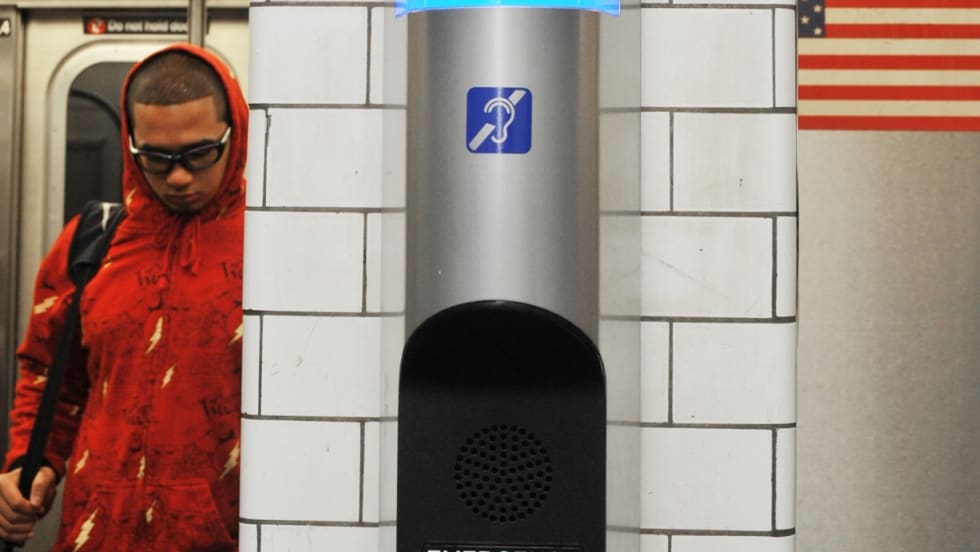
Created specifically for the subway environment, the unit is designed to be an easily recognizable communications tool for customers who need to either report an emergency or ask for travel directions.
Read More →Over the course of about two hours, thousands of commuters became stranded on platforms and on the rails, and dozens of riders had to be off-loaded from a train.
Read More →Was praised for keeping 29 passengers safely on her bus after a crane collapsed on the street, trapping the bus under a fallen pole and surrounding it with live electrical wires.
Read More →Based on recommendations from General Passenger Safety Task Force. Interested parties are invited to submit comments on the proposed rule by Aug. 27, 2012.
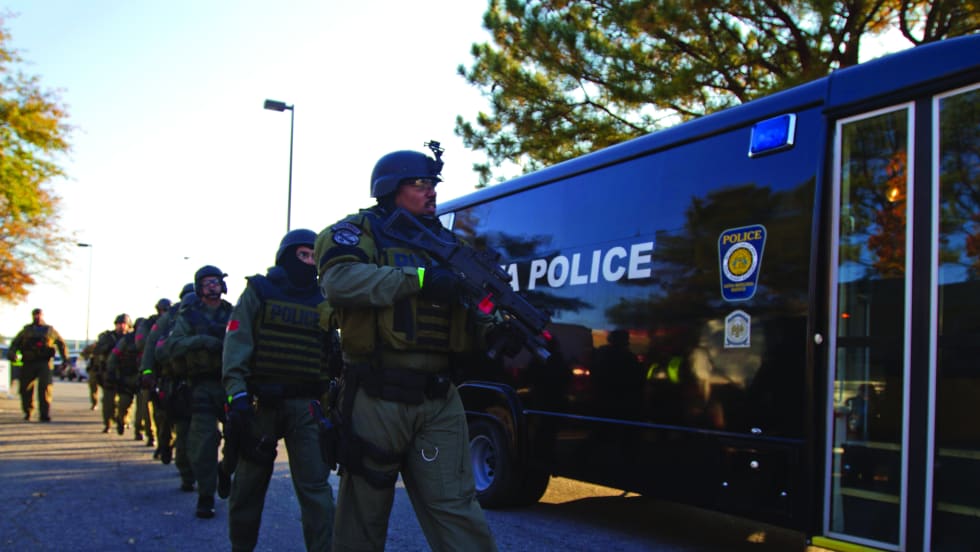
Read More →This month OCTA joined public agencies across California in the Golden Guardian exercise — an annual emergency training event that helps prepare cities, hospitals, first responders, schools, transportation agencies and others to respond in crisis situations. In the last year, OCTA has placed an increased focus on emergency preparedness and training.
Read More →The functions will be integrated into the new department, whose primary focus is emergency preparedness, continuity of operations and corporate security risk strategy.
Read More →Created specifically for communicators, APTA's Marketing and Communications Workshop Crisis Communications session, held in Miami in February, walked attendees through a scenario consisting of three incidents.
Read More →Using federal grant money, the facility will turn the Oak Street railway into a "mock" train station to carry out drills, which will also be accessible to emergency responders from all surrounding cities and towns.
Read More →What a week for the East Coast! First, the region was rocked by a "surprise" 5.8 earthquake, now it is looking in the eye of Hurricane Irene — a "once-every-100-years event," which is expected to impact down south in the Carolinas all the way up to Maine. Through it all, public transportation has been there and plans to continue to be there to transport customers and help provide evacuation efforts.
Read More →