



OCTA CEO: Is your agency ready for the ‘big one’?
This month OCTA joined public agencies across California in the Golden Guardian exercise — an annual emergency training event that helps prepare cities, hospitals, first responders, schools, transportation agencies and others to respond in crisis situations. In the last year, OCTA has placed an increased focus on emergency preparedness and training.
This month Orange County Transportation Authority (OCTA) joined public agencies across California in the Golden Guardian exercise — an annual emergency training event through the California Emergency Management Agency that helps prepare cities, hospitals, first responders, schools, transportation agencies and others to respond in crisis situations.
This year, the scenario that unfolded was a 7.8 earthquake along the San Andreas fault. Information from the first reports, ongoing response and recovery were simulated while participants discussed issues that would be considered in such a situation. Various agencies participated to varying degrees.
At OCTA, we included people at all levels of the organization, from executive management to those responding in the field, so that our team could understand each individual’s role and refine our ability to respond in the event of an emergency.
Exercises such as the Golden Guardian give agencies an opportunity to uncover knowns in emergency plans and identify what they can change now — before an earthquake or other emergency — to avoid catastrophic impact after an initial crisis occurs.
In the last year, OCTA has placed an increased focus on emergency preparedness and training. The efforts have ranged from overhauling the Emergency Operations Plan, to tabletop and full-scale exercises. More than 20 training events have been held for frontline personnel, preparing our employees for numerous scenarios that would require an emergency response.
Natural and manmade disasters are an unfortunate reality for which we have to prepare. And while we do everything possible to prevent any kind of incident from occurring, we ultimately will be judged by how quickly and effectively we respond to the situation. Reacting too late to tragic events can have disastrous impacts on the public.
It is vital that we not only have current emergency response plans in place, but our employees understand how to carry out those plans so we can effectively respond to the needs of the public in a crisis situation.
The Golden Guardian event is a great reminder to all of us to dust off that Emergency Operations Plan that is resting on the bookshelf.
More Blog Posts
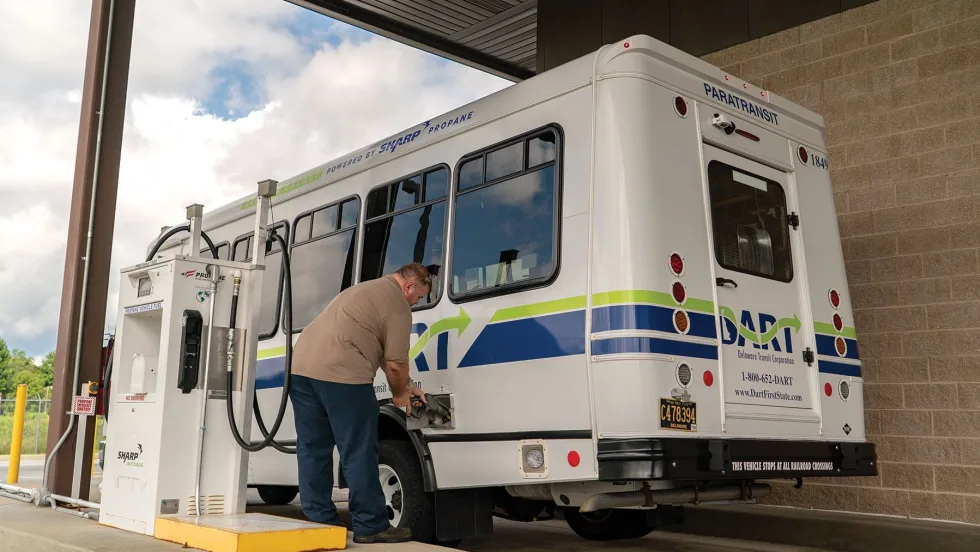
Building a Winning FTA Grant Proposal: Why Propane Autogas is the Pragmatic Choice for Fleet Resilience
With $610 million available through the FY 2026 Buses and Bus Facilities Competitive Program and the Low or No Emission Grant Program, agencies must build a compelling case before the September 21 deadline that balances environmental compliance with operational feasibility.
Read More →
Velo-city Conference 2026: Latest Trends in Cycling as Part of Urban Mobility
The global cycling conference highlighted how cities are integrating bicycles into multimodal transportation networks, expanding cycle tourism and reshaping urban mobility.
Read More →
Kindness Isn’t Soft...It’s Strategic.
Mike Bismeyer — often known as “The Kindness Guy” — has spent more than 17 years in public transit and mobility, serving in industry leadership roles, speaking across North America, and advocating for stronger workplace cultures. But his message doesn’t come from theory. It comes from lived experience.
Read More →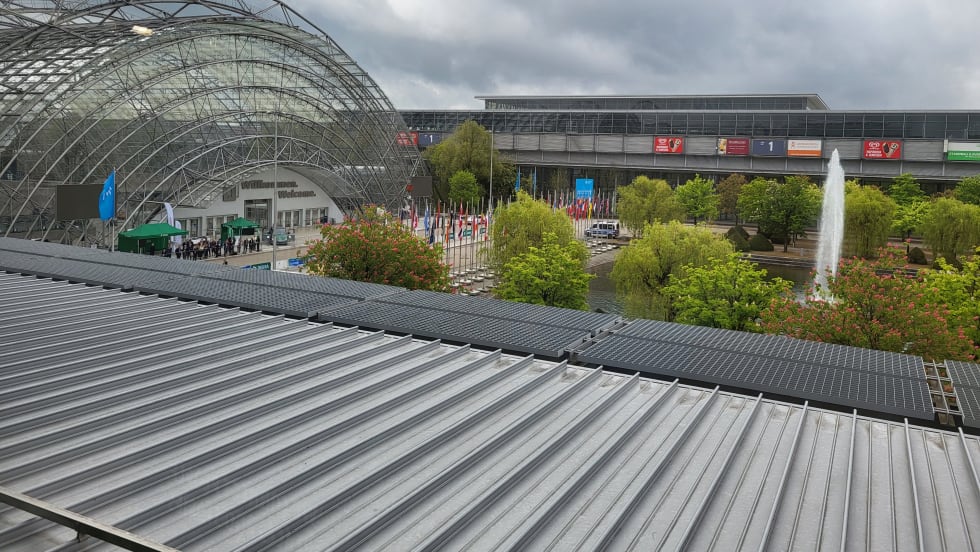
Inside ITF 2026: Transport Reacts to A Challenging World
Transport leaders from around the world gathered in Leipzig, Germany, for the 2026 International Transport Forum to discuss resilience, climate impacts, supply chains and the future of sustainable mobility.
Read More →
Every Ride Tells a Story — But You’re Not Just Selling the Ride
You’re selling the moment, the meaning, and the emotion behind it.
Read More →
How Digital Signage is Reshaping the Traveler Experience at Transportation Hubs
What was once a landscape of static signs has evolved into a responsive, immersive environment powered by real-time visual communication.
Read More →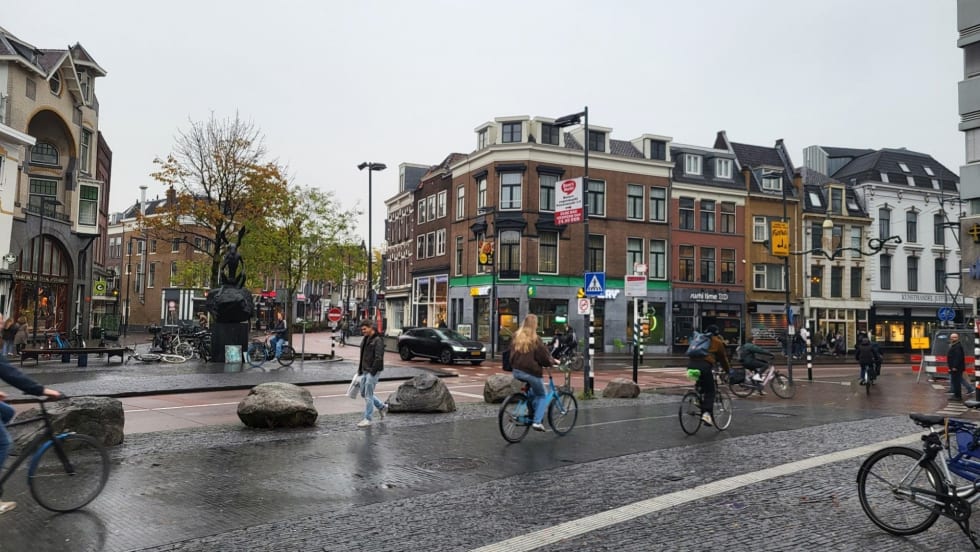
Latest Trends in Urban Mobility from Polis Conference 2025
Polis comprises cities and regions, as well as corporate partners, from across Europe, promoting the development and implementation of sustainable mobility. This year’s event had over a thousand attendees across various policy forums and an exhibition.
Read More →
Why Transit Leaders Require Better Tools for Operational Clarity In Today’s Tech-Fragmented Environment
Across North America and beyond, transit agency officials are contending with a perfect storm of operational headaches and strategic challenges that hamper daily service and long-term progress.
Read More →
The Powerless Brokers: Why California Can’t Build Transit
It is no secret that transit in the U.S. is slow and expensive to build.
Read More →
Why Transport Sustainability Should Focus on People Instead of Cars
Simply incentivizing electrification is not enough to make a meaningful impact; we must shift our focus toward prioritizing public transportation and infrastructure.
Read More →