
Metro Magazine

 MENU
MENU SEARCHMENUSEARCH
Loading data...
Titled “Bikes Board First,” the project aims to do exactly that; allow bicyclists to board bike cars first at the Mountain View, Palo Alto, and Redwood City stations.
Read More →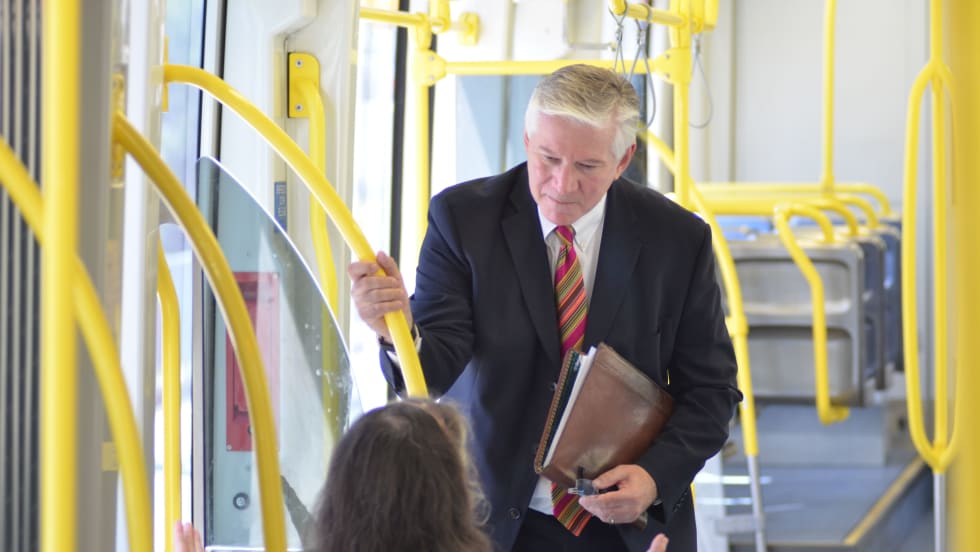
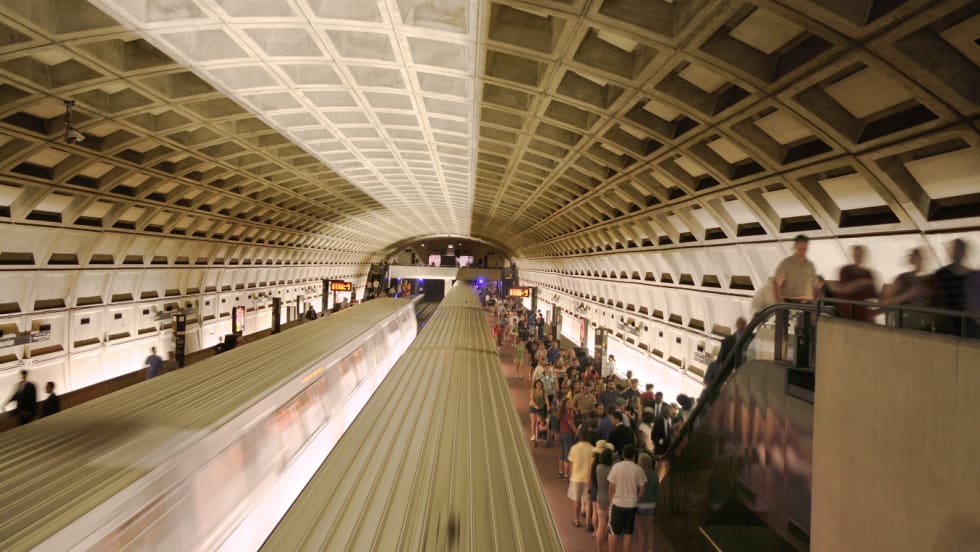
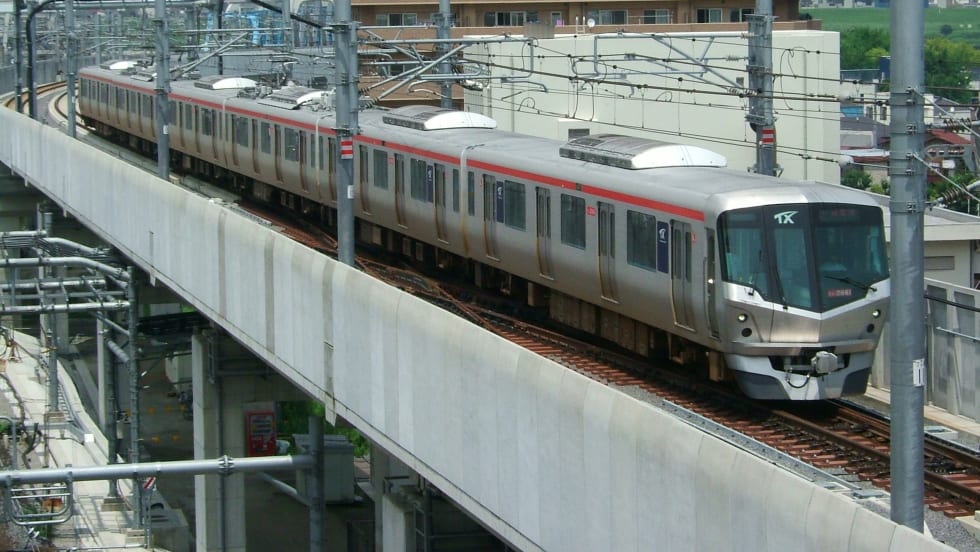
Doug Kelsey joined the agency in 2015 and quickly improved the overall on-time performance of the transit system.
Read More →According to GM Paul Wiedefeld, the program is an expression of the confidence the agency has in its ability to meet performance targets and provide reliable rush-hour service.
Read More →In the statement, the company noted that it hadn't actually received any complaints regarding the incident.
Read More →In developing the new metrics dashboard in-house, New York City Transit reviewed global standards for publicly reported performance data and opted to surpass those standards in the interest of increased transparency.
Read More →In August, 731 of 18,296 trains were tardy by six minutes or more. The most common causes for delays were related to signal/switch failure, increased passenger loadings, and track construction.
Read More →The announcement comes fewer than 30 days after Gov. Andrew Cuomo declared New York City’s subways to be in a state of emergency and directed Chairman Lhota to provide a plan for immediate action that puts customers first.
Read More →The plan from Mayor Bill de Blasio and his team comes ahead of the release of the MTA's so-called "subway turnaround plan" next week.
Read More →Includes a transparency section on its website that allows members of the public access to ridership stats, board meeting minutes, and other statistics among 30 different performance measures.
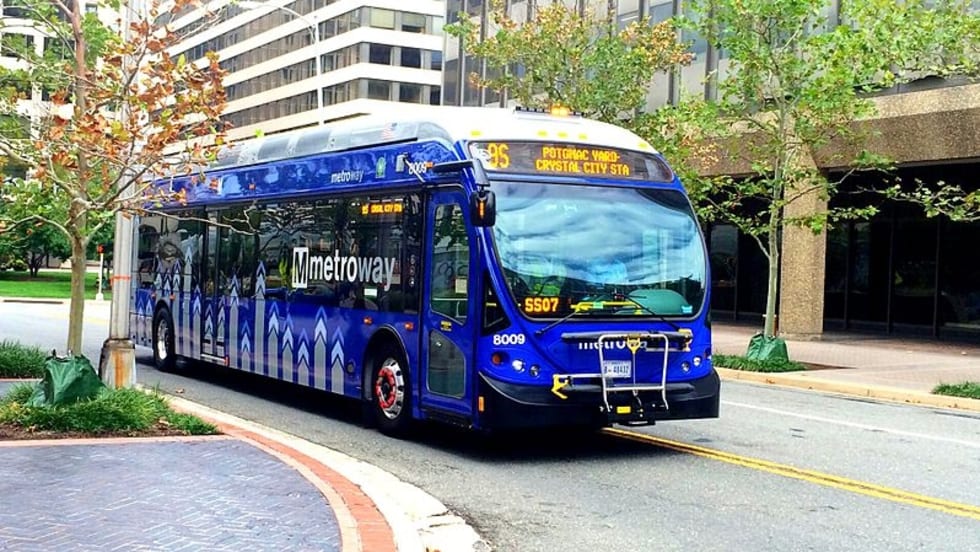
Read More →...as a transportation planner who has worked on bus rapid transit-style systems in the greater Washington region, I’ve noticed a disconnect in the public’s expectations versus the reality of the systems they’re getting. It got me wondering: do people have an accurate picture of what BRT means or the benefits the systems provide? During public-planning sessions, I’ve heard a lot of feedback on BRT. The gist is, “That’s really nice that the bus is a different color and the station platform is fancy, but I just want it to be on time.”
Read More →