
Metro Magazine

 MENU
MENU SEARCHMENUSEARCH
Loading data...

To remain relevant, transit agencies must have a vision for the future, including the role that driverless technology will play.
Read More →
Embracing public-private partnerships can help cities and transit agencies lower operational cost while connecting underserved communities.
Read More →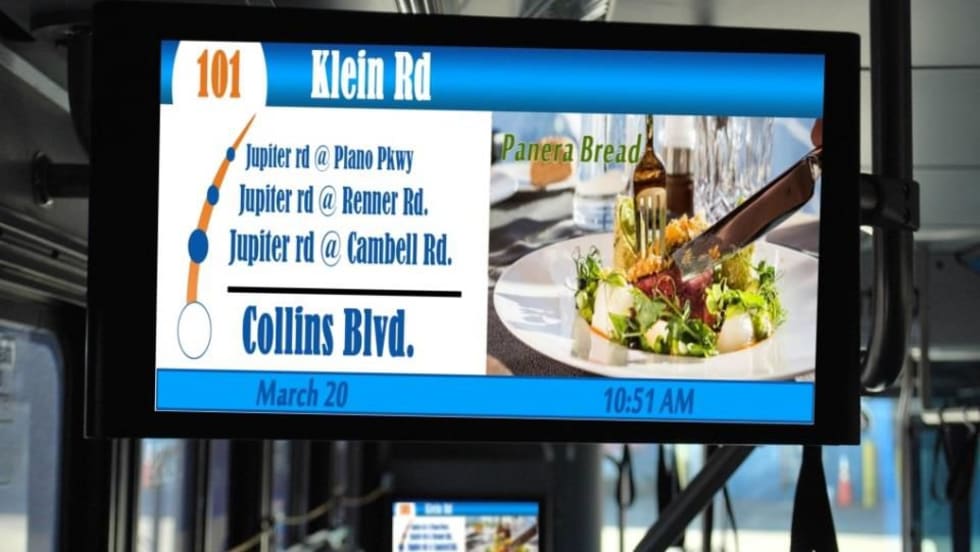
By utilizing this partnership team transit system management and staff can focus on running a safe and effective public transit system while maximizing their advertising revenue and brand promotions
Read More →
After enjoying a long period of ridership growth and expansions of rail and bus networks, American transit has found itself in a mess. Transit ridership fell in all but two cities in 2016, local budgets are stagnant, and riders are demanding higher quality services. While there are some domestic examples of how agencies are innovating, agencies must begin looking beyond the border.
Read More →
The Challenge sought to identify the nation’s most visionary municipal transit agencies and reward them with the expertise, planning resources, data analytics, and predictive modeling to help stimulate demand-driven, flexible transit in the communities they serve.
Read More →
If a state fails to meet the deadline, the FTA is prohibited by law from awarding any new federal transit funds to public transportation agencies within the state until certification is achieved.
Read More →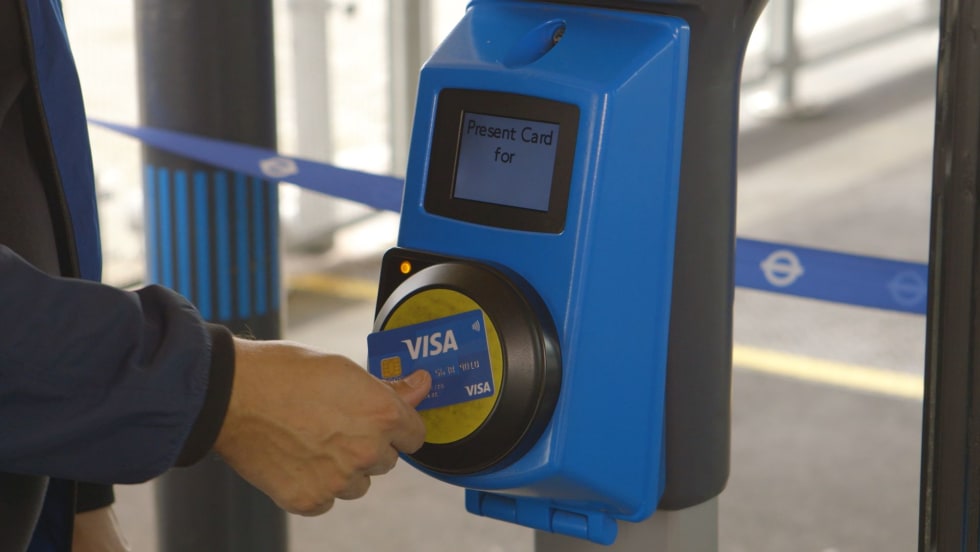
A company study found that transit agencies spend an average of 14.5 cents of every physical dollar collected, compared to only 4.2 cents for every digital dollar.
Read More →
Officials at Trapeze said that giving transit agencies that use Trapeze software the ability to schedule rides through Lyft’s ride-sharing platform will help lower operational costs while increasing ride availability.
Read More →
Recruitment is already difficult; and with the impending retirement of boomers, the public transit industry will need even more recruits.
Read More →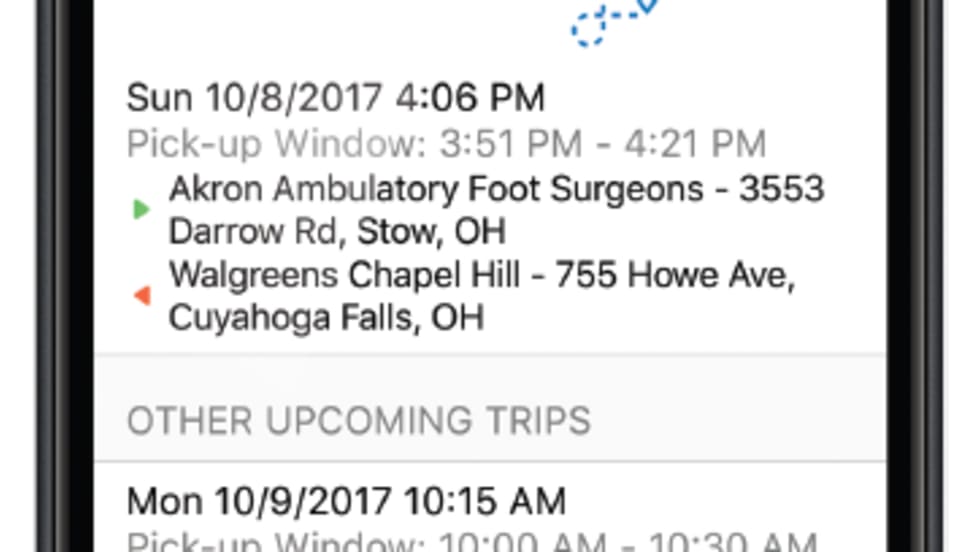
Available now for both iOS and Android, these new mobile capabilities provide measurable benefits to transit agencies and passangers.
Read More →