
Metro Magazine

 MENU
 SEARCHMENUSEARCH
Loading data...

Provides statistics and performance data to the public for the first time. Responding to the results of its first survey, which includes requests for improvement in on-time performance and handling of service disruptions, the agency plans to invest $217 million in rail infrastructure enhancements and explore new fare collection technology.
Read More →


The service guarantee has credited back approximately $1 million for more than 277,000 trips with delays greater than 15 minutes.
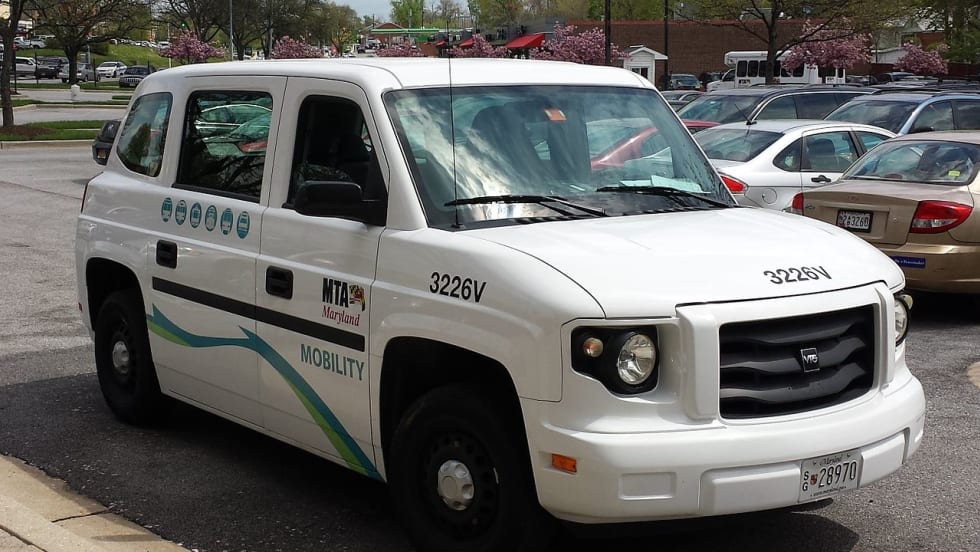
Read More →Users are routinely picked up and dropped off late for critical medical appointments by MTA's mobility/paratransit service, according to the lawsuit.
Read More →On-time performance for light rail vehicles increased from 47% in May to 51% in January, with an 8% decline in total hours of delay from 452 in May to 414 in December.
Read More →Compared to regular transit service planning, services for special events pose a unique set of challenges to cities of smaller sizes, as well as service providers because they’re non-recurring events without a predictable transit demand.
Read More →METRO’s Executive Editor Alex Roman spoke to Spare CEO/Co-Founder Kristoffer Vik Hansen and Chad Ballentine, VP, demand response & innovative mobility, at Capital Metro about the new partnership and more.
Read More →In a recent episode of METROspectives, LYT CEO Timothy Menard discusses how artificial intelligence, cloud connectivity, and real-time data are transforming traffic management, boosting bus reliability, and enabling system-wide transit optimization across cities.
Read More →While good personal hygiene, physical distancing, the use of personal protective equipment, and implementation of other conventional measures are important, there are also opportunities to influence the physical components of transit stations and vehicles and their ventilation systems via planning and design tools.
Read More →In addition to hiring a full-time social media specialist, the agency has been able to respond to many individual customers using social media and found it can discover problems in real time from their customers.
Read More →Combining predictive analytics with real-time information about current travel congestion from sensors and other data, the system could recommend better ways to get to a destination, such as how to get to a nearby mass transit hub, whether the train is predicted to be on time, and whether parking is predicted to be available at the train station.
Read More →