
Metro Magazine

 MENU
 SEARCHMENUSEARCH
Loading data...

Opportunities can feel few and far between these days, which is exactly why the U.S. must seize the one it was recently handed: a rare chance to give public transportation the makeover that current passengers have long demanded and that which there is a latent demand for by potential passengers.
Read More →



The academy will provide training and development opportunities for members pursuing growth opportunities in the transit industry.
Read More →Responsibilities include scheduling drivers, interviewing driver applicants, coordinating drug/alcohol testing, reviewing driver logs and driving established campus shuttle routes. The operations supervisor also coordinates driver training and schedules maintenance and repair of the bus fleet.
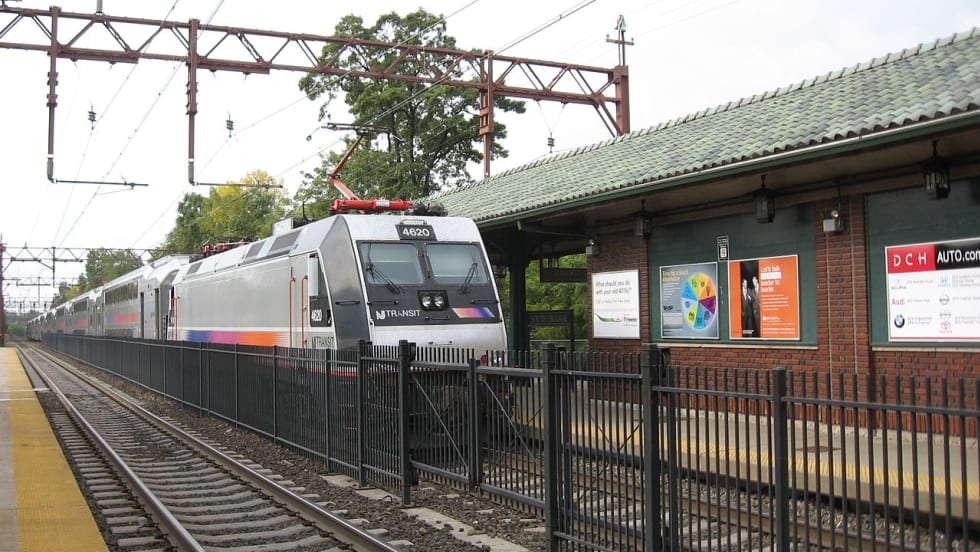
Read More →Customers and employees will no longer be permitted to ride, charge, store or transport the devices on the NJ TRANSIT system and at stations or facilities.
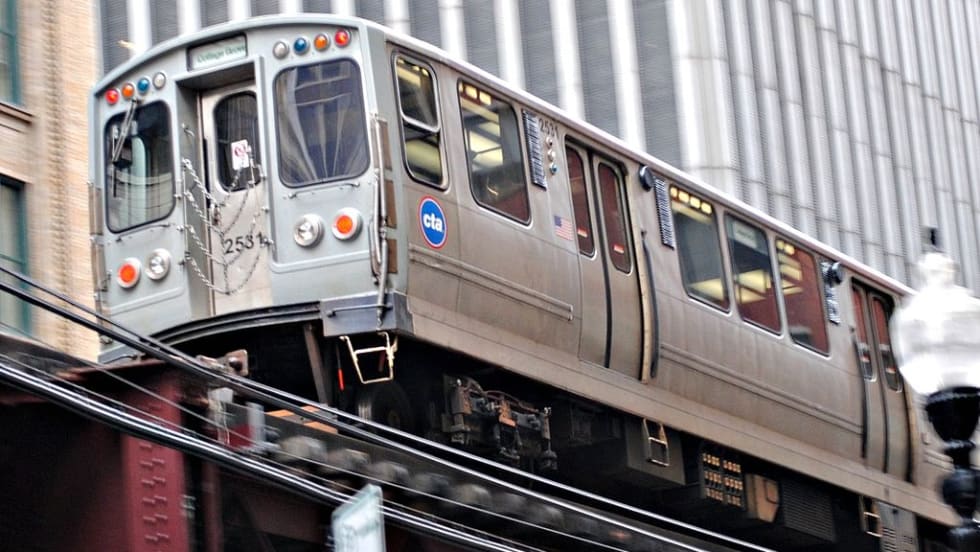
Read More →Will double the number of security cameras across the rail system, while also working with police to enhance security for passengers. Chicago police will deploy teams, called Wolfpacks, as well as plainclothes officers to patrol the system.
Read More →The latest installment of METROspectives focuses on the California Transit Training Consortium, the state of maintenance training, and more.
Read More →Heads off a threatened strike that that had been twice averted. Provides for a wage increase of 9.5% that will be phased in over the three years of the contract. The agency and union also agreed on a flat monthly contribution of $120 per employee during the life of the contract.
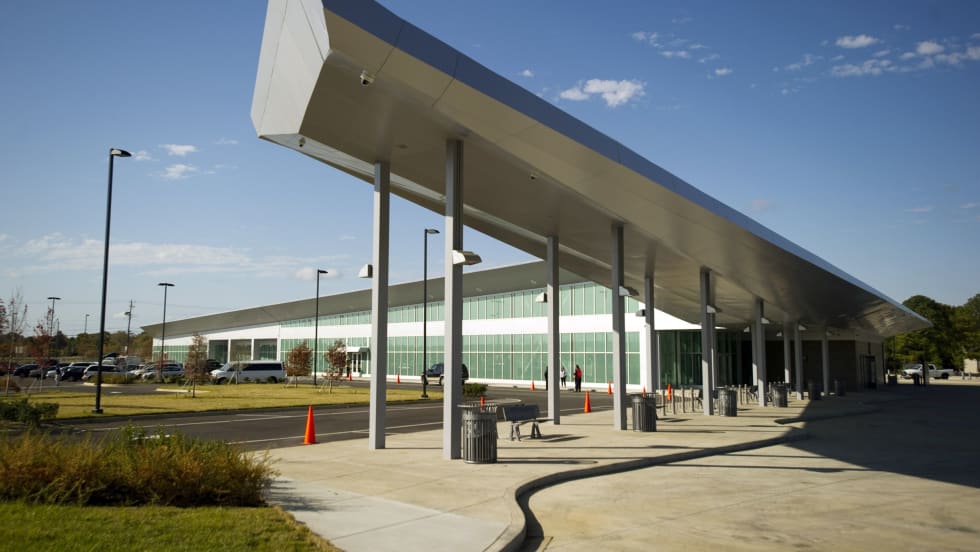
Read More →The total cost of the project, including property acquisition, demolition and design is about $15 million. The construction cost is approximately $11.5 million. The terminal employs more than 40, which includes people from MATA, Greyhound and other tenants.
Read More →The audit will include a review of NJ Transit's finances, leadership structure, hiring process, and customer service.
Read More →The Heritage Fleet program was designed to ensure that vintage buses, railcars, and equipment are properly maintained and stored, and that the historic vehicles continue to be used for charters and other public events.
Read More →