




Related: Metra Electric's Highliner railcars officially retired
New Chicago Transit program to preserve transit history
The Heritage Fleet program was designed to ensure that vintage buses, railcars, and equipment are properly maintained and stored, and that the historic vehicles continue to be used for charters and other public events.
June 3, 2016
2 min to read
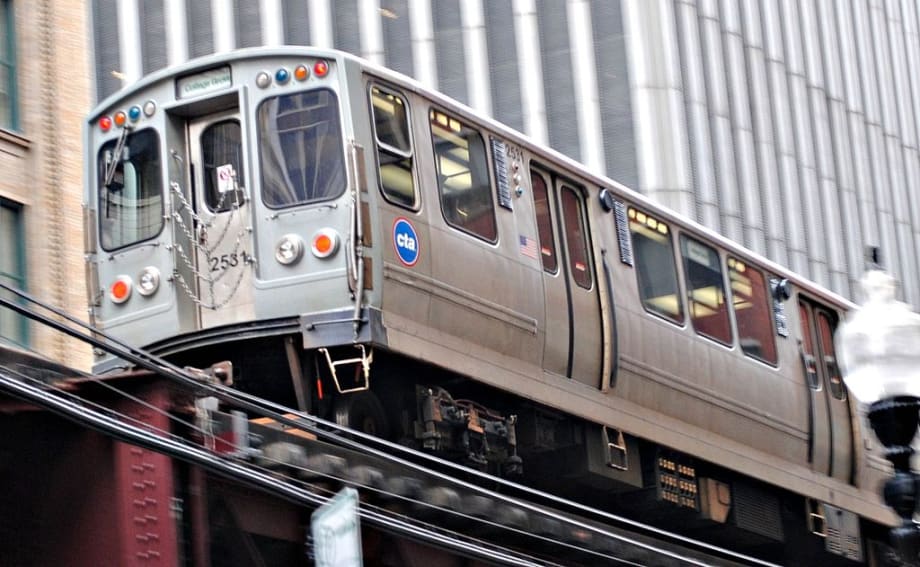
The Chicago Transit Authority (CTA) created the Heritage Fleet program, an effort to preserve and celebrate more than 100 years of history of the CTA and its predecessor companies.
The Heritage Fleet program was designed to ensure that vintage buses, railcars, and equipment are properly maintained and stored, and that the historic vehicles continue to be used for charters and other public events.
“The CTA has a very rich history, one that has contributed to the growth of Chicago as one of the world’s most vibrant cities,” said CTA President Dorval R. Carter. “The Heritage Fleet will allow the CTA and its customers to celebrate and appreciate that history in a real, tangible way.”
The Heritage Fleet currently consists of select retired railcars and buses, including:
Two 1923 4000-series railcars, featuring the orange-and-brown paint scheme they wore in the 1940s and adorned with reproduced advertisements from the era.
An eight-car train of 2400-series railcars, produced from 1976-1978 and featuring their restored red-white-and-blue exterior markings.
Three buses from the 1960s, all featuring their original markings.
The new program, modeled after similar programs at other U.S. transit agencies, will set guidelines for future preservation, maintenance and repair efforts for these vehicles, as well as additional vehicles that may be added to the Heritage Fleet in the future.
The creation of the program formalizes many years of voluntary efforts by CTA employees to preserve CTA’s rich history. Most of the activities to be assumed by the Heritage Fleet program, including repairs and upkeep, are already handled on a voluntary basis by CTA employees, or as part of regular CTA operations. Under the Heritage Fleet program, retired CTA employees, and rail-industry experts will also be invited to volunteer for maintenance and upkeep efforts.
Funding for the program will come from revenue generated from CTAgifts.com, the CTA’s online merchandise store, and from private charters of vehicles, including Heritage Fleet vehicles. CTA is also developing a plan to showcase the historic vehicles at city events and activities.
More Management

COTA Launches First Customer Experience Action Plan to Improve Transit Service
The new plan outlines improvements to service reliability, accessibility, communication, and the overall rider experience across Central Ohio's transit system.
Read More →
LA Metro September Ridership Climbs 3.9%, Led by Rail Growth
The agency recorded more than 27.2 million boardings, with rail ridership increasing 12.4% year over year and the D Line posting the largest gains.
Read More →
Utilimarc Launches SmartReplace to Optimize Fleet Replacement Decisions
AI-powered SmartReplace helps fleets prioritize vehicle replacements, model budget scenarios, and build more defensible long-term strategies.
Read More →
APTA Honors 2026 Award Winners, Hall of Fame Inductees at TRANSform & EXPO
Innovations in autonomous and zero-emission transportation, standout transit systems, and industry leadership took center stage among this year's honorees.
Read More →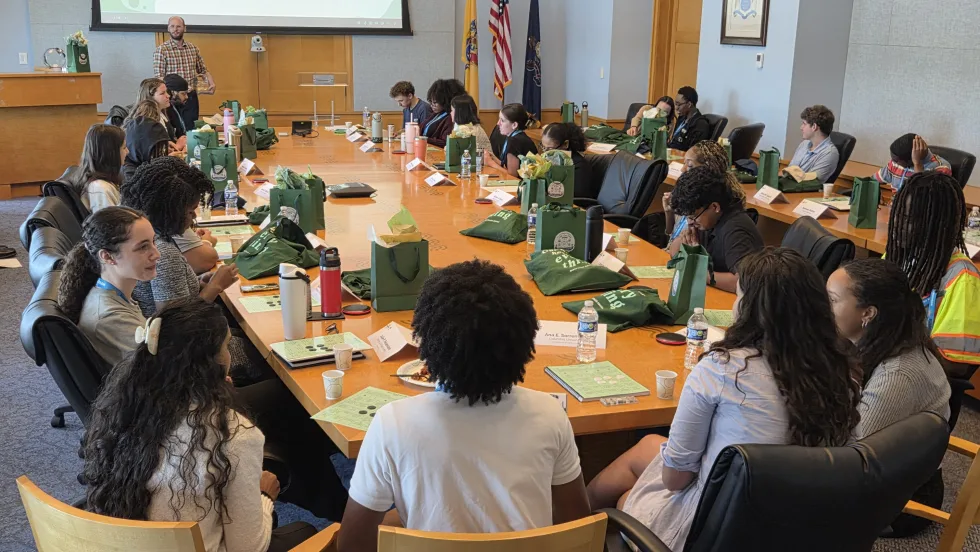
7 Ways to Build a Better Transit Internship Program
Lessons from DRPA/PATCO’s approach to creating a meaningful internship experience—and developing the next generation of transportation professionals.
Read More →
Scenes from APTA TRANSform & EXPO 2026
Transit leaders, manufacturers, and industry professionals gathered in Chicago to explore new technologies, share ideas, and discuss the future of public transportation.
Read More →
Building Stronger Leaders, More Resilient Transit Teams
Dr. Carol Parker Walsh discusses leadership development, employee retention, workplace culture, and preparing transit’s workforce for AI and automation.
Read More →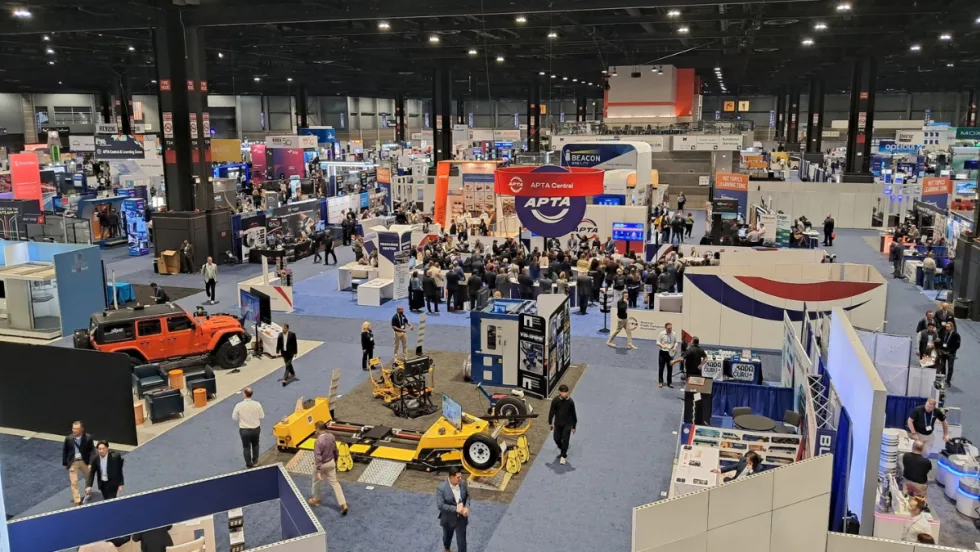
APTA 2026 TRANSform & EXPO Kicks Off in Chicago
After 45 years, APTA returns to Chicago with a focus on next-generation fleets, AI, connected transit networks, and the funding strategies shaping public transportation’s future.
Read More →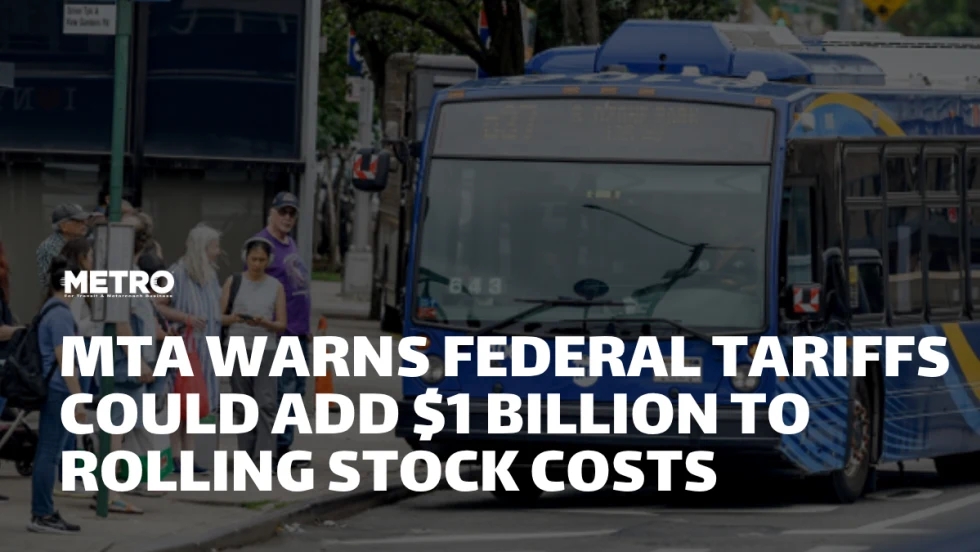
New York MTA Warns Federal Tariffs Could Add $1 Billion to Rolling Stock Costs
The agency said tariffs on specialized imported components could reduce the purchasing power of its $23 billion investment in new subway cars, railcars, and buses.
Read More →
From the Show Floor: What Happened at APTA TRANSform & EXPO 2026
See the latest product launches, partnerships, technology updates, and transit industry announcements from APTA TRANSform & EXPO in Chicago.
Read More →