
Metro Magazine

 MENU
 SEARCHMENUSEARCH
Loading data...
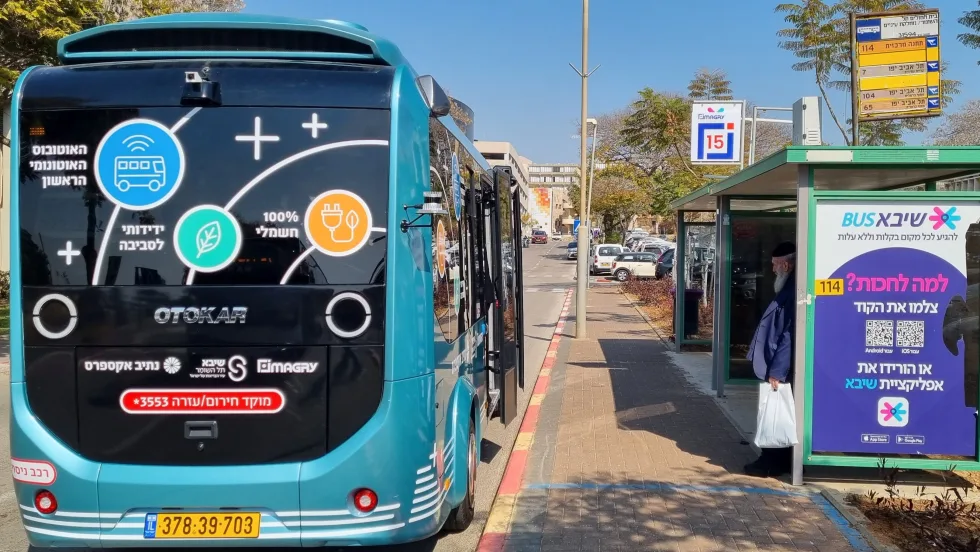
Autonomous vehicle technology has advanced dramatically and will likely reach mass markets in 2027. We examine how the technology is developed and what it means for public transportation systems and driverless buses.
Read More →


Respondents around the globe chose "driving their own car" over other modes of transport for reasons including comfort (54%), ease of access (47%), and reliability (39%).
Read More →The milestone event honored generations of transit workers and showcased how public transportation has evolved into a multimodal system serving one of the nation's fastest-growing regions.
Read More →The Rhode Island agency is marking the milestone by highlighting service improvements, mobility initiatives, and its vision for the future of transit.
Read More →Stay informed with these quick takes on the projects and companies driving progress across the transportation landscape.
Read More →The findings provide clear evidence that sustained Federal investment in public transit and passenger rail delivers significant returns for workers, communities, taxpayers, and the U.S. economy, APTA officials said.
Read More →The new platform-embedded AI agent supports transit staff with scheduling, driver assignments and real-time operational decisions.
Read More →Nominations are evaluated on four criteria: effectiveness, benefit level, innovation, and transferability.
Read More →After 45 years, APTA returns to Chicago with a focus on next-generation fleets, AI, connected transit networks, and the funding strategies shaping public transportation’s future.
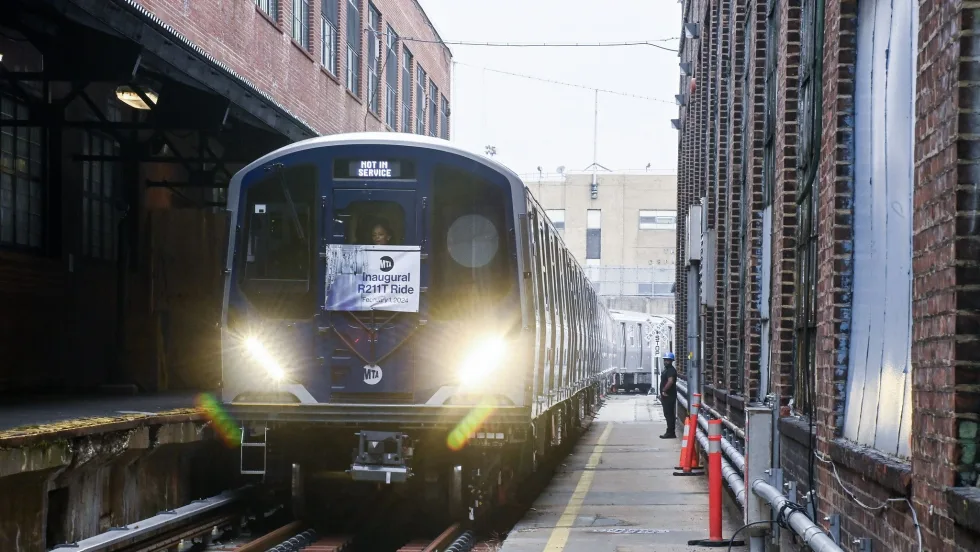
Read More →After 120 years of operation, the New York City subway system has made several innovations and continues to be at the forefront of finding ways to improve the rider and operator experience.
Read More →