




From the Show Floor: What’s Happening at APTA TRANSform & EXPO 2026
APTA 2026 TRANSform & EXPO Kicks Off in Chicago
After 45 years, APTA returns to Chicago with a focus on next-generation fleets, AI, connected transit networks, and the funding strategies shaping public transportation’s future.
October 5, 2026

Attendees gather around APTA Central and explore exhibitor displays on the APTA EXPO show floor at Chicago’s McCormick Place.
Credit:
Alex Roman/METRO
2 min to read
Today, the American Public Transportation Association (APTA) kicked off the APTA 2026 TRANSform Conference & EXPO in Chicago. The event runs through October 7 and brings together public transportation leaders, policymakers, suppliers, and tech pioneers from around the world to explore the equipment, technology, and ideas shaping the industry’s future.
“As agencies scale up sustainable tech and modernize networks, the innovations debuting on the EXPO floor this week will define the future of public transportation mobility," said APTA President and CEO Paul P. Skoutelas. "As we gather for EXPO 2026, we celebrate a $102 billion industry experiencing unprecedented momentum. We are not just meeting today's infrastructure needs; we are re-inventing modern public transit and passenger rail to drive economic growth and create more connected, sustainable communities.”
Trending Topics at EXPO
The trends driving the agenda at APTA 2026 TRANSform & EXPO revolve around evolving fleet tech, artificial intelligence, and operational resilience. Attendees will find the heaviest floor traffic centered around four critical industry themes:
- Next-Generation Fleets and Infrastructure: The focus has shifted from individual zero-emission vehicles to the systems that support them, including hydrogen fuel-cell rail, heavy-duty charging networks, and power grid planning.
- Artificial Intelligence in Daily Operations: Exhibitors are demonstrating how AI has moved beyond back-office tasks to support day-to-day operations, including predictive rail maintenance and real-time bus demand planning.
- Connected Regional Networks: Technology providers are unveiling unified fare systems and shared data platforms that help agencies link city and suburban service into one seamless rider experience.
- Securing Long-Term Funding: As many agencies face budget shortfalls, sessions will explore new funding approaches, partnerships, and transit-oriented development strategies that support long-term financial stability.
Chicago: The Ideal Backdrop for Innovation
Chicago's public transportation network provides more than 1.3 million rides a day across six counties. It is entering a new era under the Northern Illinois Transit Authority (NITA), which coordinates service, fares, and planning across the Chicago Transit Authority (CTA), Metra, and Pace. More than $11 billion in capital projects have been completed or announced in the region, including the $5.7 billion Red Line Extension, the largest single transit project in the city's history.
“Chicago is a city that helped build America, and public transportation has long been central to its growth,” Skoutelas said. “The first APTA EXPO was held here in 1981. Forty-five years later, we are proud to return to a city that shows how transit connects people to opportunity and helps communities thrive.”
More Management
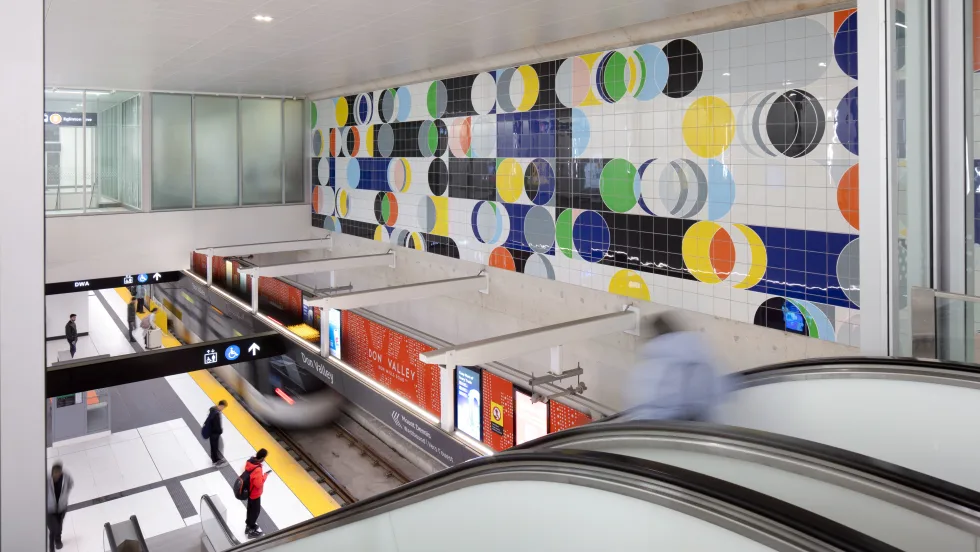
How Gen Z's Changing Mobility Habits Are Reshaping Public Transit
As younger generations embrace multimodal mobility over private vehicles, transit agencies can rethink station design, the passenger experience, and public transportation's role in building connected communities.
Read More →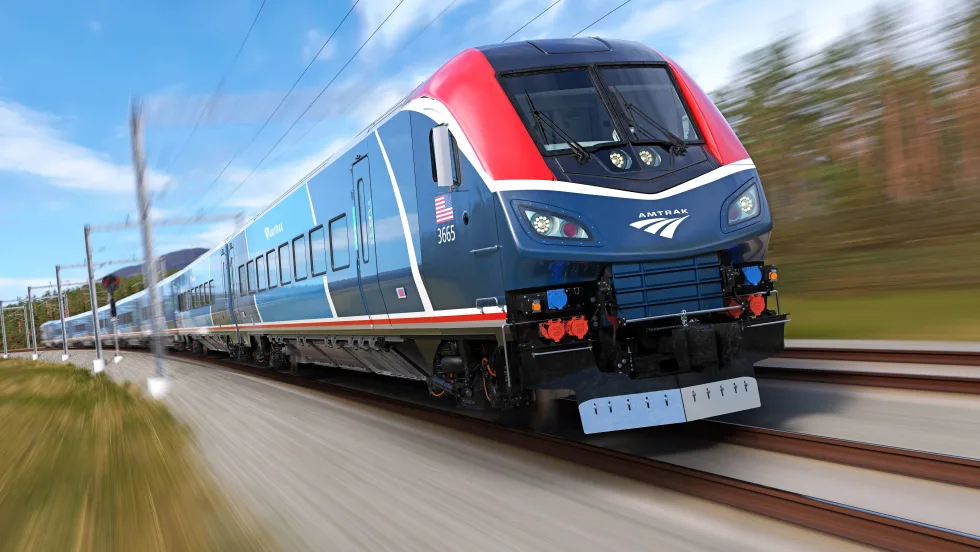
Amtrak Expands Airo Fleet with Eight Higher-Capacity Trainsets
The new 10-car trains, expected to enter service in 2031, will provide about 34% more seating capacity to meet growing demand on the Northeast Corridor.
Read More →
APTA Urges FTA to Withdraw Proposed Capital Investment Grants Guidance
The association warns that proposed changes could delay transit projects, reduce federal funding, and create new hurdles for 47 projects currently in the CIG pipeline.
Read More →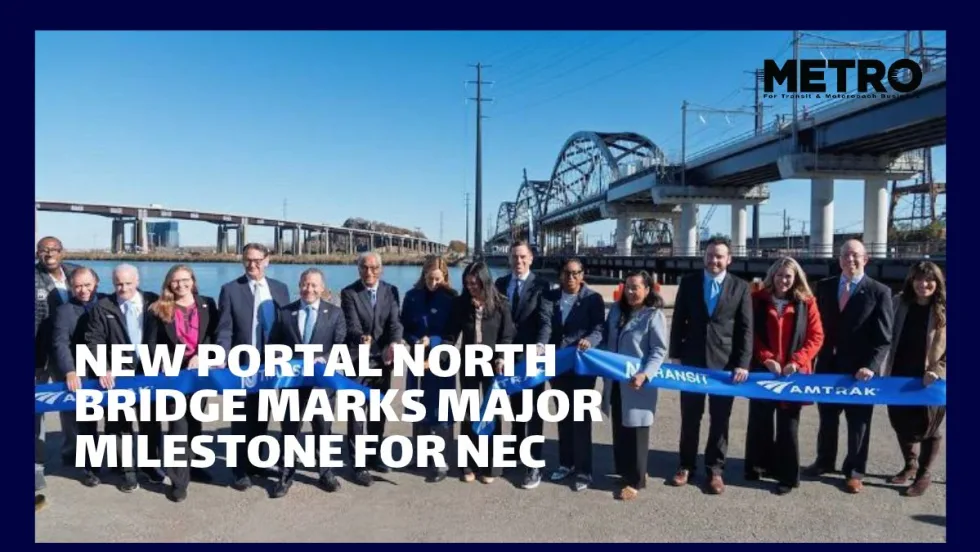
Amtrak, NJ TRANSIT Launch Full Service on New Portal North Bridge
The completion of the two-track bridge over the Hackensack River eliminates a longstanding source of delays for NJ TRANSIT and Amtrak customers. It marks a major milestone for the Gateway Program.
Read More →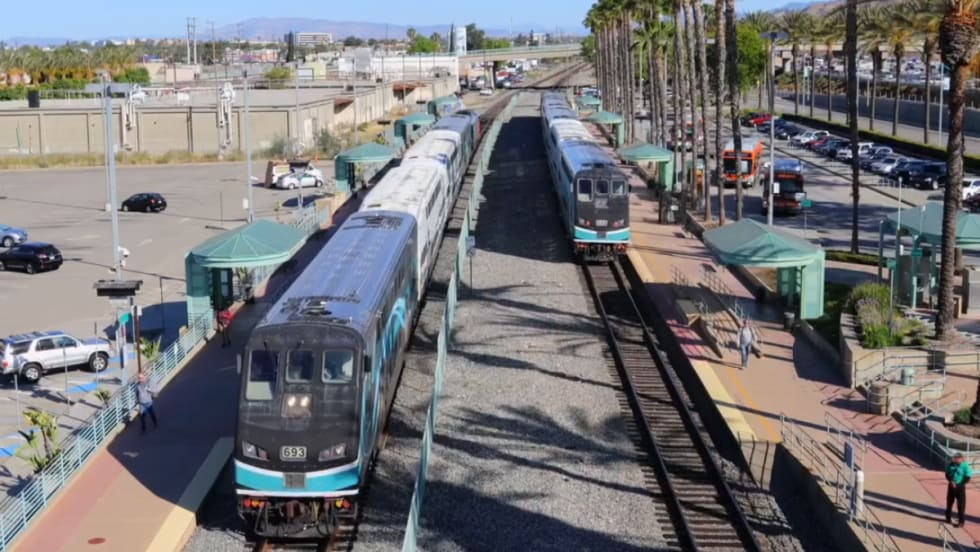
Southern California’s Metrolink Approves $508.8M Budget, Avoids Service Cuts
A $20 million state allocation allows the regional rail agency to maintain existing weekday and weekend service through fiscal year 2028, although longer-term funding challenges remain.
Read More →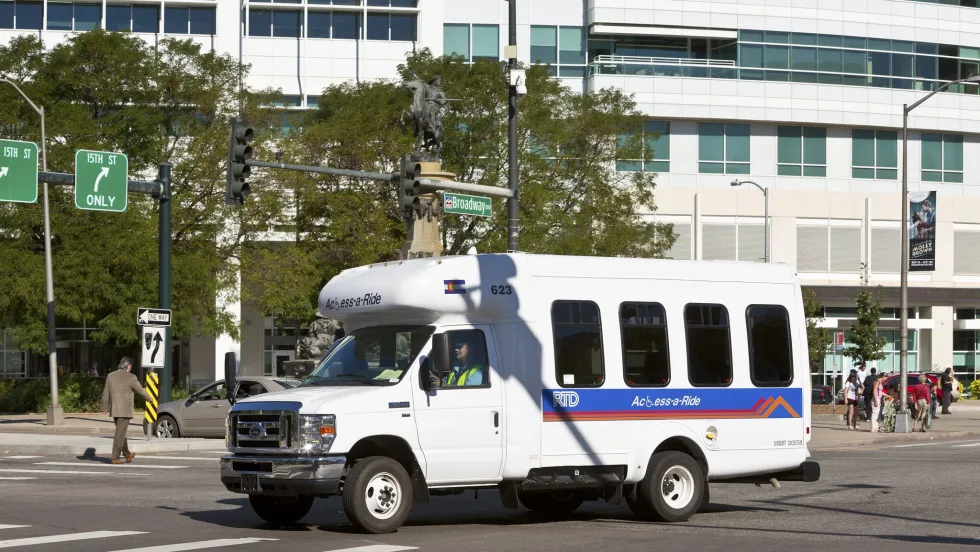
Denver RTD Committee to Review Paratransit Services, Improve Accessibility
The committee will oversee an independent study of paratransit operations, gather customer feedback, and recommend improvements to service reliability, accessibility, and accountability.
Read More →
Castro to Lead RTC of Southern Nevada and More in People Movement
In this edition, we also cover recent appointments and announcements at the STV, MCI, and more, showcasing the individuals helping to shape the future of transportation.
Read More →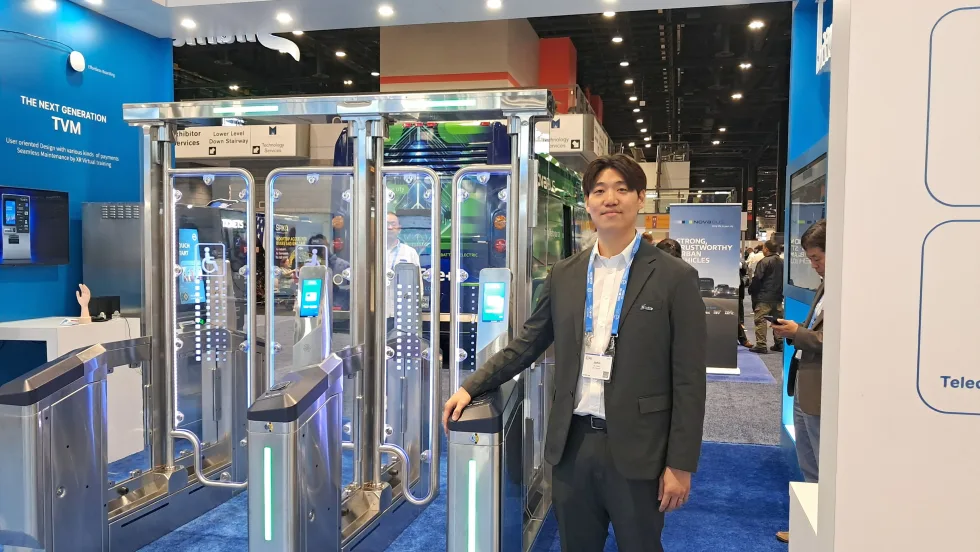
STraffic Expands North American Presence with Fare Collection Technology
John Moon, Associate Director, Product Strategy at STraffic, discusses the company's growth in North America, its efforts to reduce fare evasion, and more.
Read More →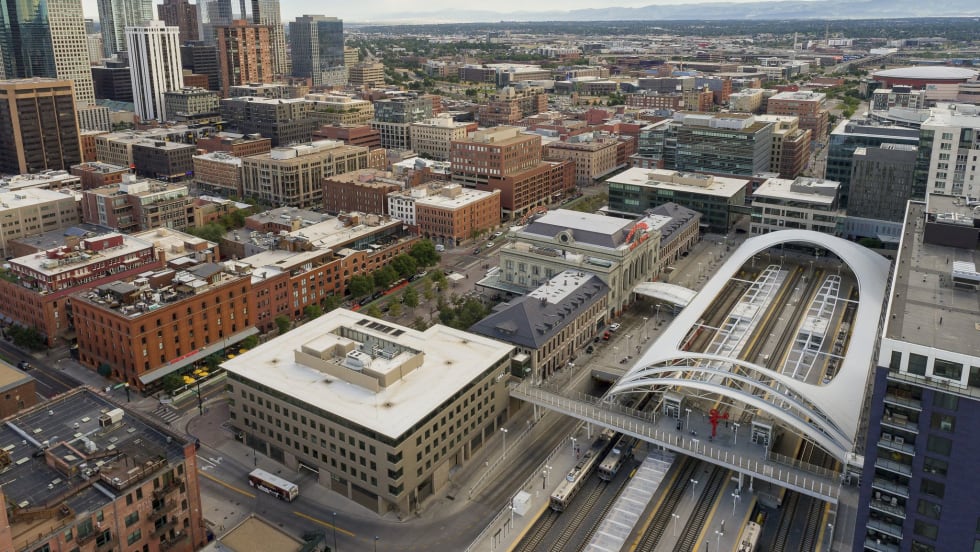
Study: Denver RTD Generates $2.1 Billion in Annual Economic Activity
An economic impact study finds the agency supports approximately 17,500 jobs, delivers $1.6 billion in annual community and mobility benefits, and generates $2.42 in economic value for every dollar invested.
Read More →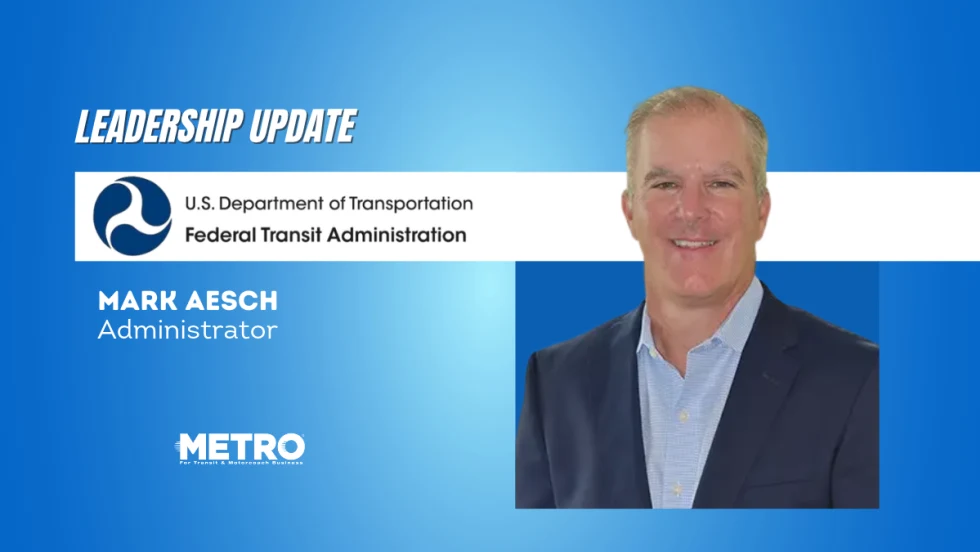
Mark Aesch Nominated to Lead Federal Transit Administration
The former Rochester transit chief and TransPro founder, who has also contributed to METRO Magazine, brings decades of industry experience and a focus on performance, accountability, and financial sustainability to the nomination.
Read More →