
Metro Magazine

 MENU
MENU SEARCHMENUSEARCH
Loading data...

The "Climate Benefits of Transit in Northern Virginia" report concludes that while personal vehicles are a major cause of pollution, riding trains and buses can mitigate these emissions.
Read More →
Long overshadowed by Amtrak and public transit, long-distance motorcoach travel is gaining newfound respect in statehouses.
Read More →
The report, which is part of AECOM’s ongoing Future of Infrastructure thought leadership series, investigates the latest industry trends and outlines best practices for the successful delivery of HSR systems around the world.
Read More →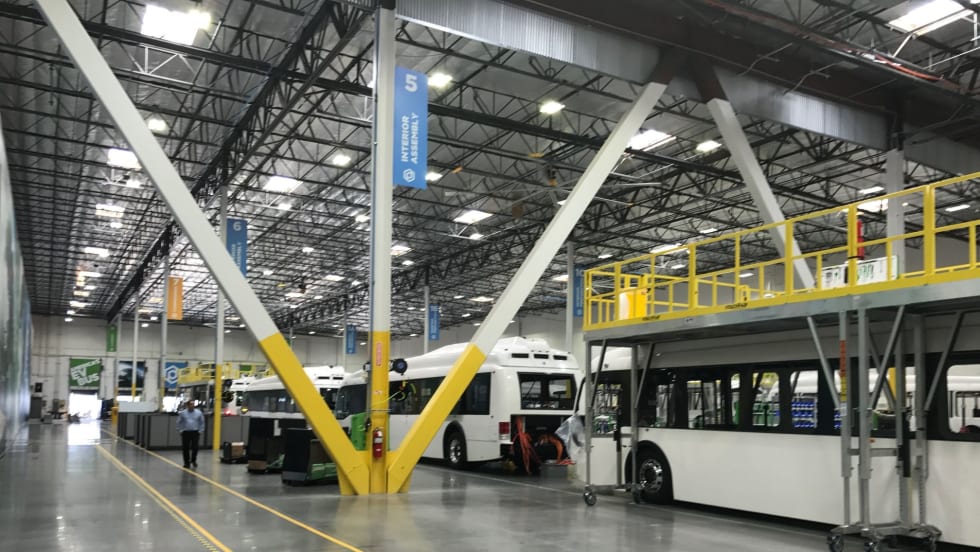
METRO recently spoke with CALSTART’s National Transit Bus Program Manager about this year’s report as well as the state of zero-emission buses overall, including how both the U.S. and Canada will continue to grow their ZEB fleets thanks to strong federal funding, the reasons for hydrogen’s growth, and much more.
Read More →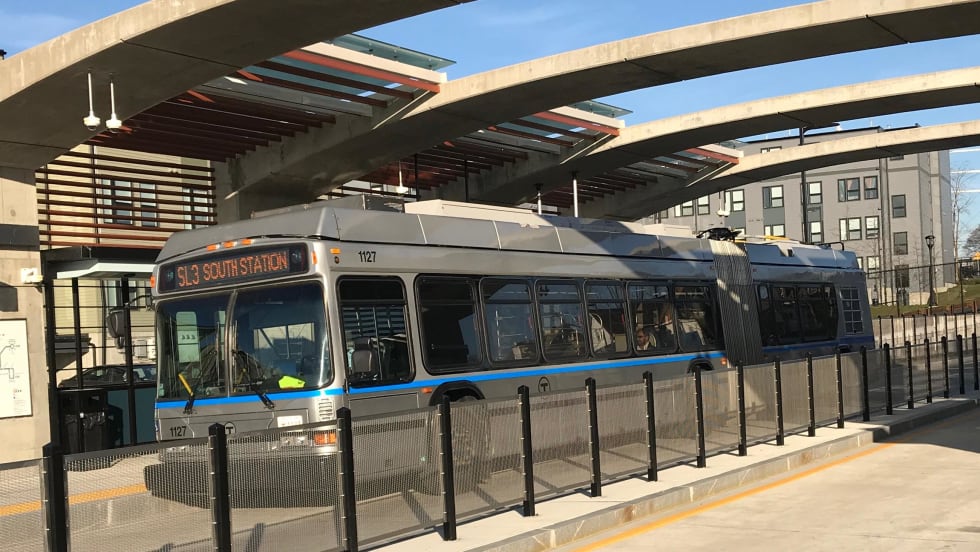
Opening in 2018, the SL3 connects Chelsea with Logan Airport, East Boston, the Seaport District, and South Station, making quick, easy connections to many area bus routes, the Blue Line, the Red Line, and the Commuter Rail.
Read More →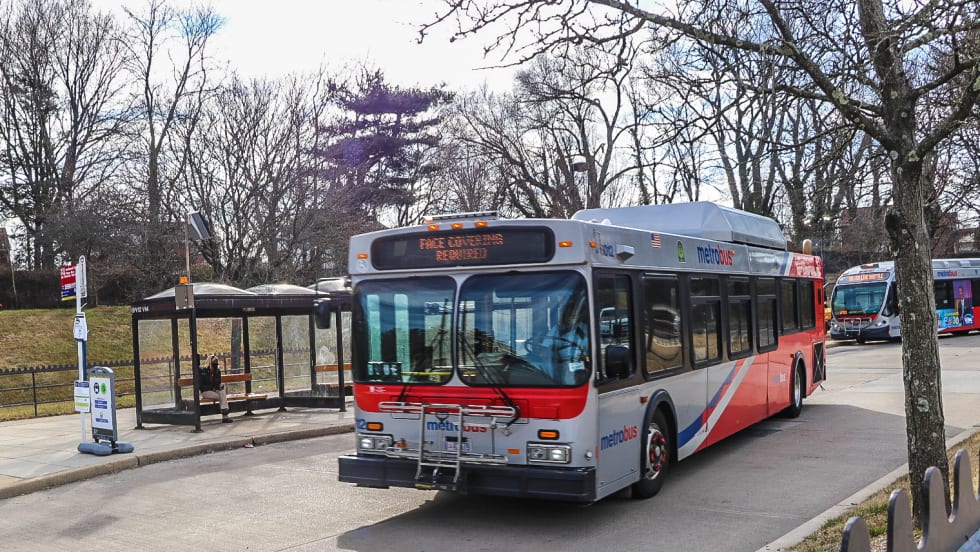
Nearly one-half of Metrobus customers saw buses arrive every 12 minutes or less, and more than half of rail customers saw trains arrive every six minutes or less, on average.
Read More →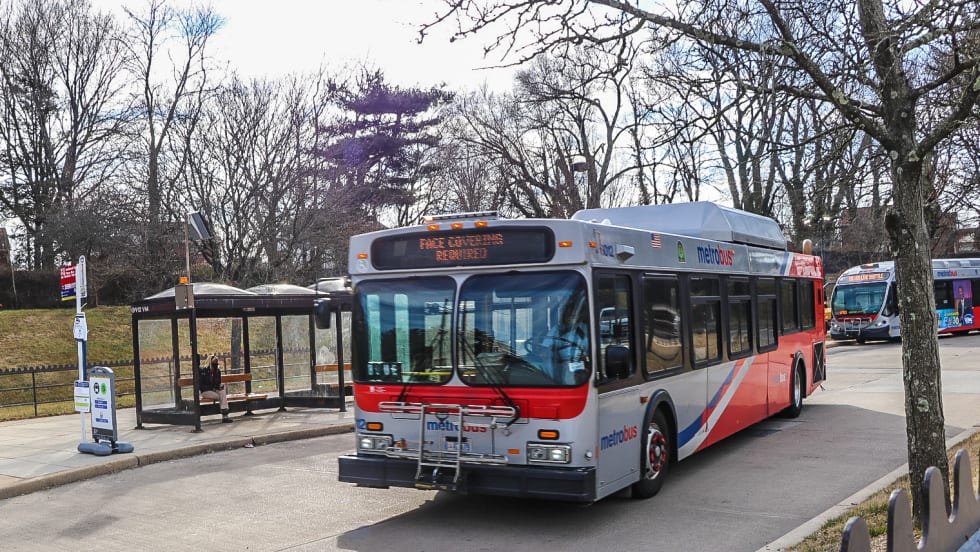
The new website, called “Your 2023 Metro” report, gives riders detailed information about their use of public transit last year including bus and rail ridership, number of stations visited, and more.
Read More →
The final report shows an increase in customer boardings and estimates a reduction of approximately nine million vehicle miles traveled during July and August.
Read More →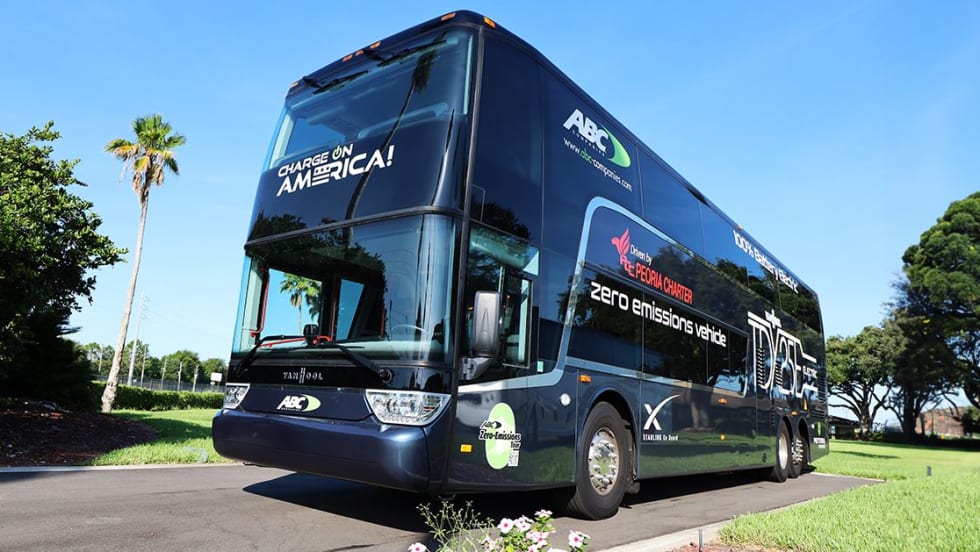
Participating manufacturers sold 338 new and 104 pre-owned coaches, for a total of 442 motorcoaches. This compares with 427 during the third quarter 2022.
Read More →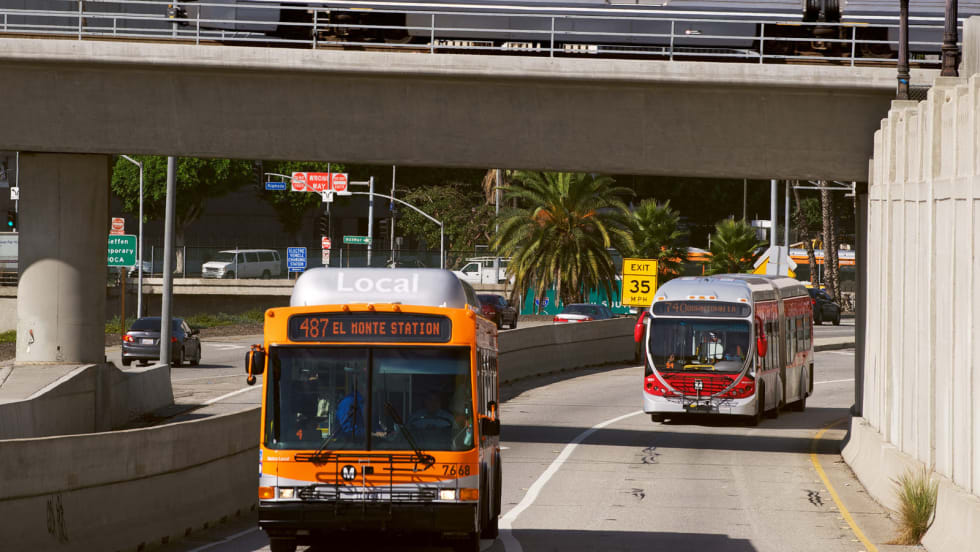
The 189-page report provides an overview of the first five years of Measure M funding (July 2017 to June 2022), and a fresh approach to assessing sales tax revenue through an equity framework that focuses on people first and the role Measure M, and Metro by extension, play in quality-of-life outcomes.
Read More →