




Meeting Goals: New Analysis Shows How Mexico Can Meet Zero-Emission Demands
New Report Shows How to Achieve Successful Energy Transition
The report covers energy use in today’s public transport; decarbonization of mobility and the role of public transport, the challenges, and more.
January 24, 2023

The energy transition and shift to renewable energy supplies have added values in terms of operations, public transport users, citizens, and cities.
Photo: UITP
2 min to read
A new report by UITP, “The Road to Sustainability: Transition to Renewable Energy in Public Transport,” provides guidance on how public transport undertakings can achieve a successful energy transition to their decarbonization goals.
The report covers energy use in today’s public transport; decarbonization of mobility and the role of public transport, the challenges, and perspectives on differing energy markets segments to the schemes available and setting up the energy transition, according to UITP's news release.
To maintain this leadership role and take its share of the burden of reducing emissions, the sector is currently decarbonizing its activities by transitioning to renewable energy sources. This includes the electrification of vehicle fleets and investing in fleets powered by other alternative energy sources, such as hydrogen or biofuels.
For the sector to achieve this transformation and meet its decarbonisation objectives, the report said it must invest both in new green fleets to ensure that they have access to green and renewable sources of energy.
“This report gathers a year’s worth of work between the UITP Sustainable Development Committee and other UITP members who kindly contributed to our working group," said Elisabetta Tromellini, Head of CSR — Sustainability at FNM S.P.A. "Over the course of 2022, the energy topic grew in importance for many, and I believe the hard work all our contributors put into this report should support the sector in facing the energy and climate crisis. Stay tuned in the coming months for more on the topic of renewable energy.”
UITP added that renewable energies supply will differ from one context to another, which is why it is important to understand the legal context and local energy markets. Working in cooperation with an energy provider/developer, municipalities, and other energy consumers facilitates the deployment of new renewable electricity assets and a supply of renewable fuels.
“The transition to renewable energy is an outstanding opportunity for the public transport sector to reaffirm its leadership position as a provider of sustainable mobility," said Arthur Cormier, UITP sustainable development committee manager. "Across all assets, the energy transition only strengthens benefits of public transport and should be on the agenda of all stakeholders in the sector.”
More Zero Emissions

LA Metro Board Awards 220 Battery-Electric Bus Contract to ENC
The contract, which is the largest base award of battery-electric buses by a U.S. transit agency, will be built in Southern California, sustaining good jobs as LA prepares to welcome the world in 2028
Read More →
Public Transit Conference Returning to GFX in 2027, Call for Papers Now Open
The Call for Papers is now open, allowing transit agency professionals and industry experts to help shape the PTC educational program by submitting session ideas for consideration.
Read More →
Report: Transit Bus Manufacturing Supports 34,100 Jobs, $5.1B in GDP
The “Buses Mean Business” report examines the transit bus manufacturing industry’s economic footprint, supply chain, and rising demand for vehicle replacements.
Read More →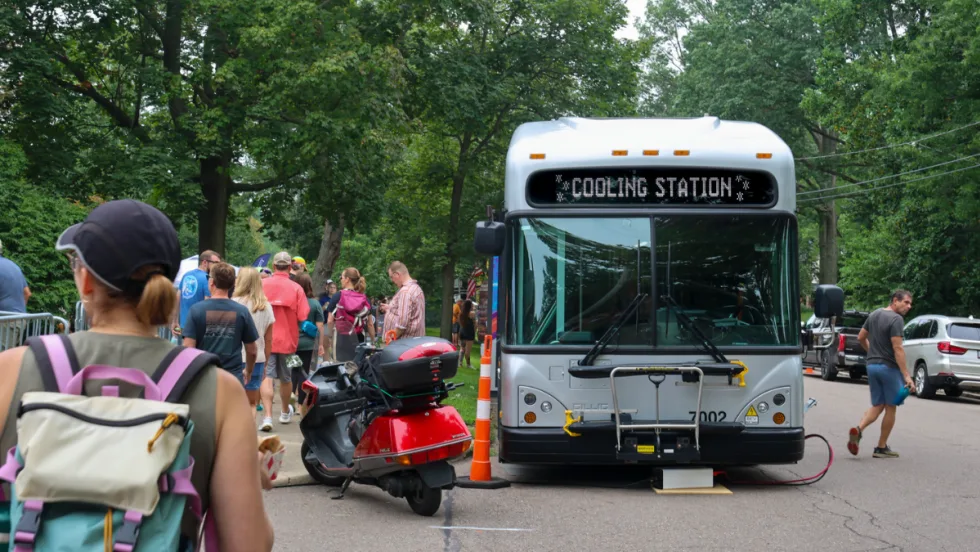
Ohio’s METRO RTA Turns Electric Buses into Mobile Power Sources at PorchROKR
See how three Gillig battery-electric buses powered festival stages while the agency’s new Park & Ride service carried approximately 1,000 attendees, demonstrating another potential use for transit agencies’ electric fleets.
Read More →
CALSTART and Forth Combine to Form Catalyst Mobility
The new name represents a renewed vision for the nonprofit focused on advancing clean, equitable, and affordable transportation solutions that move people and goods.
Read More →
Building a Flexible Path to Transit Electrification
John Hroncich discusses BAE Systems’ modular and scalable approach, lessons learned from decades of real-world operations, and how agencies can identify electrification strategies that fit their fleets.
Read More →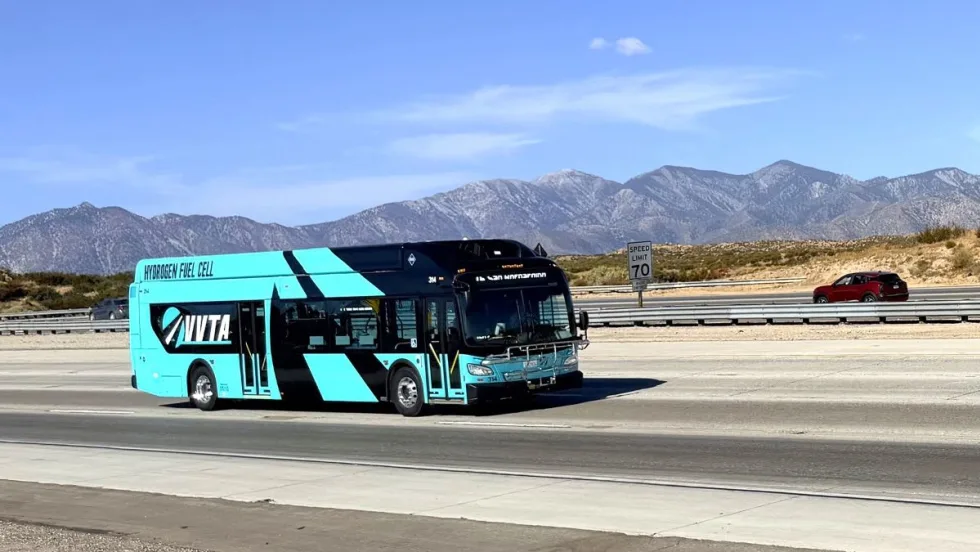
California's VVTA Begins Phased Rollout of Hydrogen Fuel Cell Buses
The agency is introducing 13 zero-emission buses into revenue service while evaluating performance across its urban, rural, and long-distance routes.
Read More →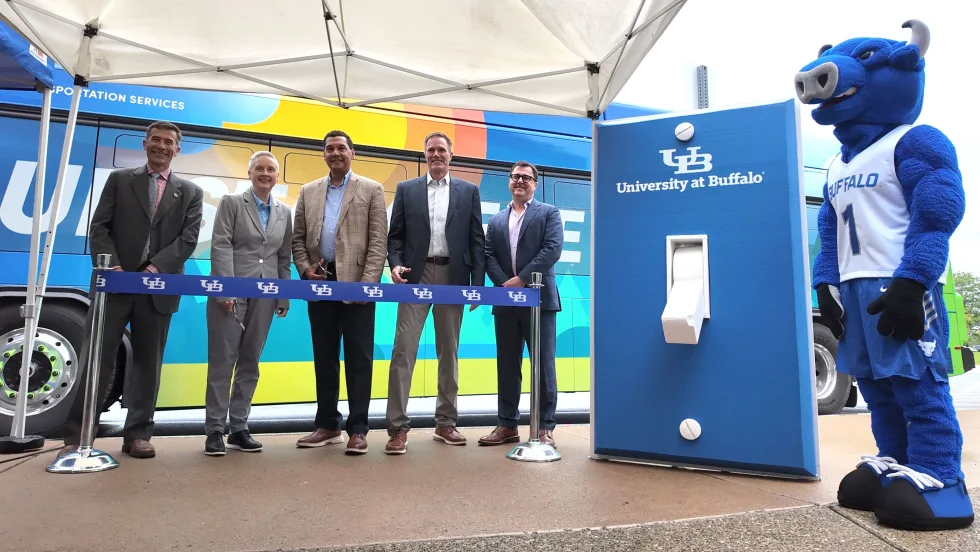
Inside Look: University at Buffalo Puts First 8 Electric Buses Into Stampede Service
UB, transportation solutions provider WeDriveU, and fleet electrification specialist Zenobē marked the deployment in the presence of students, university administrators, and local officials.
Read More →
Biz Briefs: OCTA Taps Clean Energy for Hydrogen Station, Stadler to Supply Via Rail Vehicles, and More
From manufacturers and suppliers to transit agencies and motorcoach operators, these updates offer a snapshot of the projects, partnerships and business moves driving the industry forward.
Read More →
AC Transit’s Cecil Blandon on Building the Next Generation of Transit Maintenance Leaders
The agency’s maintenance chief discusses leadership, workforce development, zero-emission technology, and preparing technicians for the future of public transportation.
Read More →