The Transportation for America report finds that higher demand for zero-emission grants significantly lowered the probability of accessing zero-emission project funds.
Higher demand for zero-emission grants significantly lowered the probability of accessing zero-emission project funds, according to a T4A report.
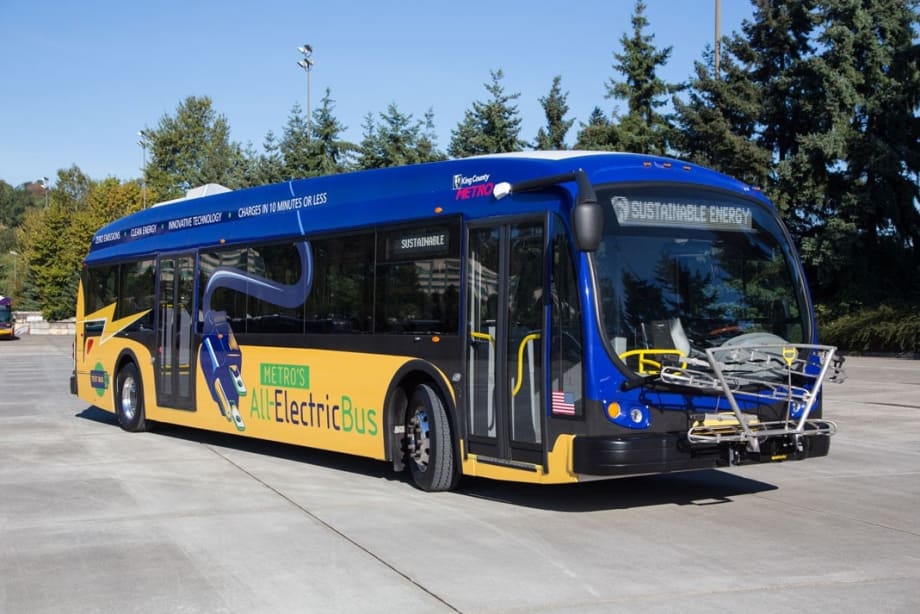
Photo: King County Metro
4 min to read
A new report by Transportation for America (T4A), “Greener Fleets: Meeting the Demand for Clean Transit,” finds that the FTA’s Low or No Emission Vehicle (Low No) and Buses and Bus Facilities (5339(b)) grant programs were in high demand, representing 95% of Low No funds requested in applications last year, and relatively few project applications were funded.
In comparison, low-emission projects made up such a small proportion of applications that nearly all applications were funded with money left over in that category.
“Seeing this kind of demand for electric public transit buses shows that America is ready for mass adoption, and we need to revise these programs to reflect that new reality,” said Chris Rall, outreach director for T4A. “Our number one recommendation to improve the programs is to remove the outdated and arbitrary split between zero- vs. low-emission categories to ensure 100% of the funds find their best use.”
Competition for ZEBs
U.S.-based transit fleets compete for Low No program grants to help them transition to the lowest polluting and most energy-efficient transit vehicles. Last year, the program received $1,105,329,750 in funding, of which 25% must go to low-emission buses and facilities such as diesel hybrid buses, compressed natural gas (CNG) buses, and fueling infrastructure. The remaining 75% is for using electricity and/or hydrogen as a fuel for zero-emission buses and facilities.
The report finds that this 75-25% funding split is unsustainable.
“As an industry leader in clean transit, we see Low No funds as essential for helping transit agencies like ours transition to modern electric buses that deliver service at a lower operational cost with zero tailpipe emissions," said Corey Aldridge, CEO/GM of Mountain Line, Missoula, Montana's transit agency, which has been transitioning its fixed route fleet to be fully electric since 2017. "The data in this report is intriguing. We encourage the legislature to consider its recommendations. Updates to the program could help fleet managers access the cleanest vehicle technologies that make the most sense for them."
Ad Loading...
Using data collected from a Freedom of Information Act (FOIA) request from the U.S. Department of Transportation, the T4A research team analyzed applications submitted by American transit agencies to the Low No and 5339(b) programs funding.
U.S.-based transit fleets compete for Low No program grants to help them transition to the lowest polluting and most energy-efficient transit vehicles.
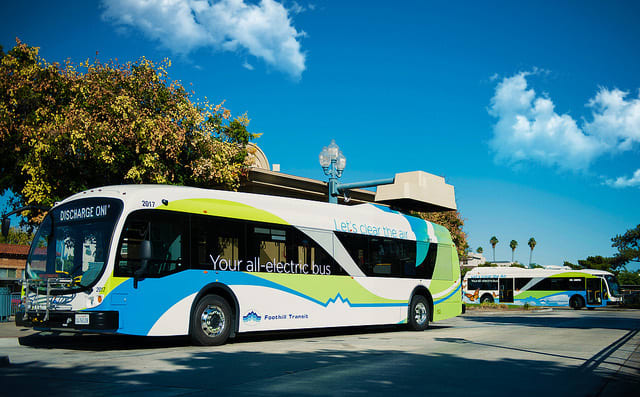
Photo: Foothill Transit
Top Findings of the T4A Report
Top findings of the report, include:
Overall, transit agency-requested funding exceeded awards by over 4.5 times in the combined programs. Requested zero-emissions project funding made up 86% of all requested funding.
Low-emission projects in the Low No program were so undersubscribed that every low-emission applicant received an award regardless of the project rating (Highly Recommended, Recommended, Not Recommended).
In contrast, applicants with zero-emission projects had only a 33% chance of receiving any funding. In the 5339(b) program their chances were even lower, at just 18%.
“Congress’s goal was not to drive a shift in demand and investment toward low-emission projects at the expense of investments in zero-emission transit,” said Rall. “This trend could lock transit agencies into more polluting technologies for decades.”
Improving FTA’s ZEB Funding Programs
The report concludes that this unbalanced dynamic creates a strong incentive for agencies to avoid applying for zero-emission projects and instead use the Low No program to apply for funding for diesel-electric hybrid buses. This is already evidenced by the fact that applications for low-emission projects are up for the 2023 application window.
Ad Loading...
Here is a summary of the report's recommendations for improving the programs:
Eliminate the arbitrary requirement that 25% of Low No funding goes to low-emission vehicles.
Increase funding for both 5339(b) and Low No to meet the overall demand for buses and facilities.
Create incentives for both programs to leverage state, regional, utility, and local funding to encourage applicants to propose zero-emission projects at scale and increase the return on investment.
Reduce the matching funding requirements of Tribes and Justice40 communities.
Increase transparency by making basic application and award information available on the Federal Transit Administration's website.
Simplify the application process and help agencies understand how to make their applications competitive.
“As the market of zero-emission vehicles grows and changes, so must our programs that support the transition,” said Rall. “The increased demand for zero-emission projects is a good thing. We can update these programs to make them better for transit agencies that want to save money and clean up their air.”
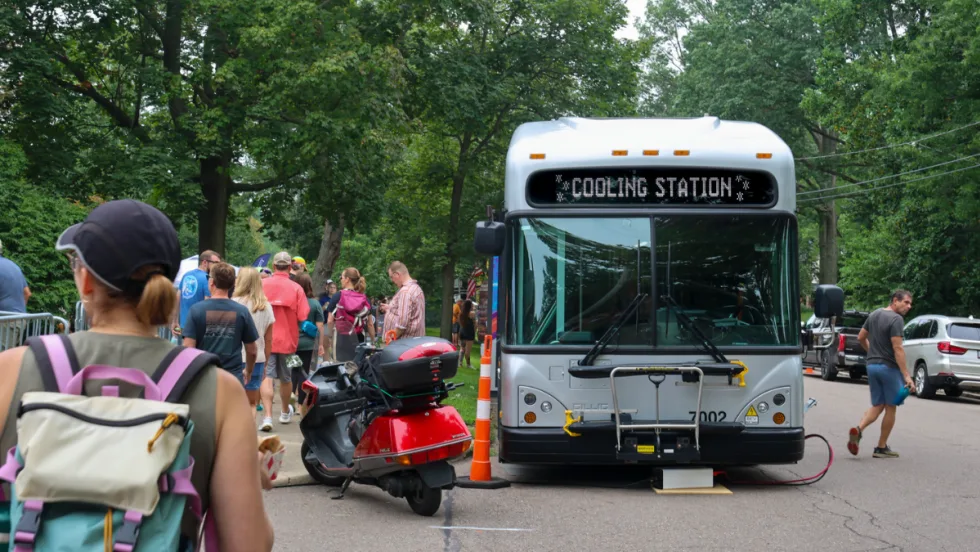
See how three Gillig battery-electric buses powered festival stages while the agency’s new Park & Ride service carried approximately 1,000 attendees, demonstrating another potential use for transit agencies’ electric fleets.
The new name represents a renewed vision for the nonprofit focused on advancing clean, equitable, and affordable transportation solutions that move people and goods.
John Hroncich discusses BAE Systems’ modular and scalable approach, lessons learned from decades of real-world operations, and how agencies can identify electrification strategies that fit their fleets.
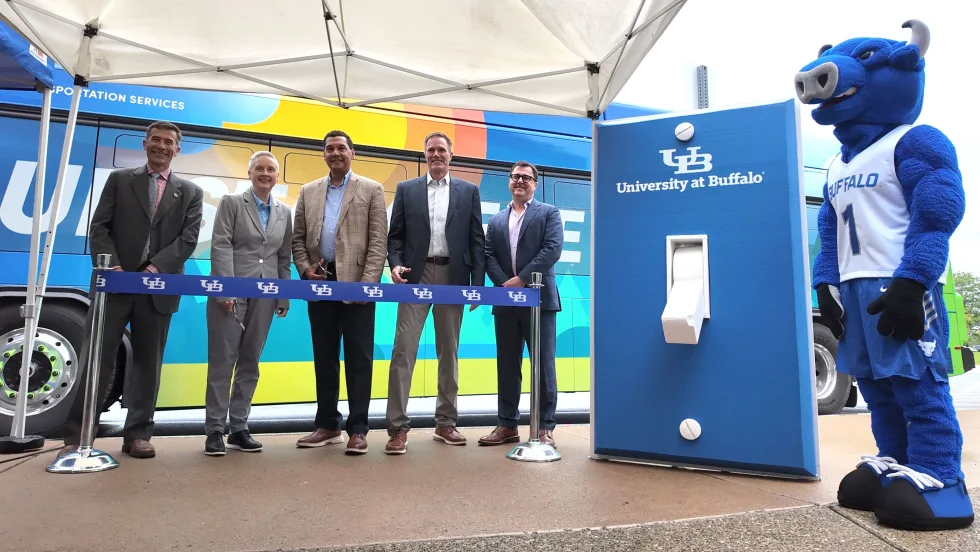
UB, transportation solutions provider WeDriveU, and fleet electrification specialist Zenobē marked the deployment in the presence of students, university administrators, and local officials.
From manufacturers and suppliers to transit agencies and motorcoach operators, these updates offer a snapshot of the projects, partnerships and business moves driving the industry forward.
The agency’s maintenance chief discusses leadership, workforce development, zero-emission technology, and preparing technicians for the future of public transportation.
The firm will work with CTDOT and RVT to define the facility layout, operational requirements, and long-term flexibility for RVT’s growing electric fleet.
The fast-charging infrastructure will help extend electric bus range, improve fleet utilization, and support DASH's goal of transitioning to a fully zero-emission fleet.