
Metro Magazine

 MENU
MENU SEARCHMENUSEARCH
Loading data...
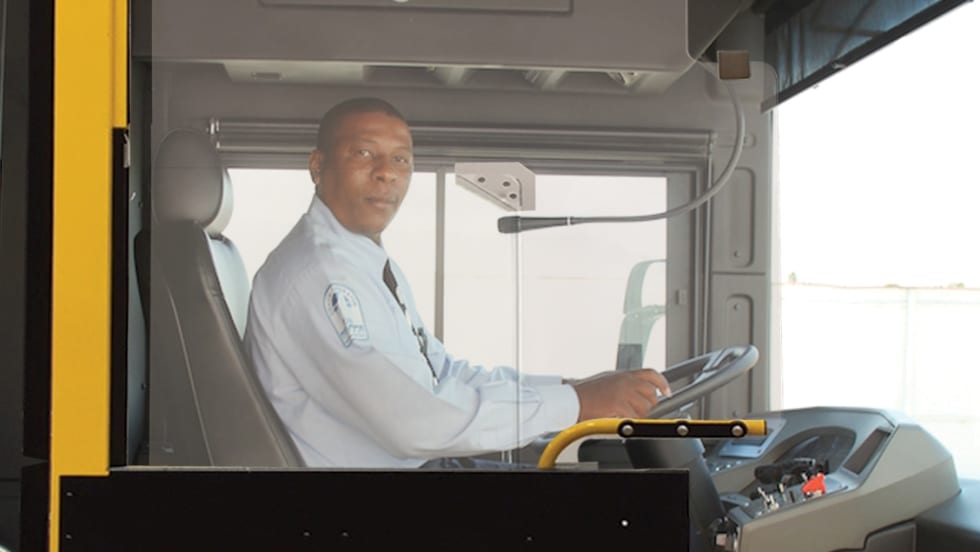
The door includes two, integrated electric fans for optimal air circulation in the cockpit area. An electrically operated window allows for increased air flow and ventilation, and permits operator/passenger interaction.
Read More →

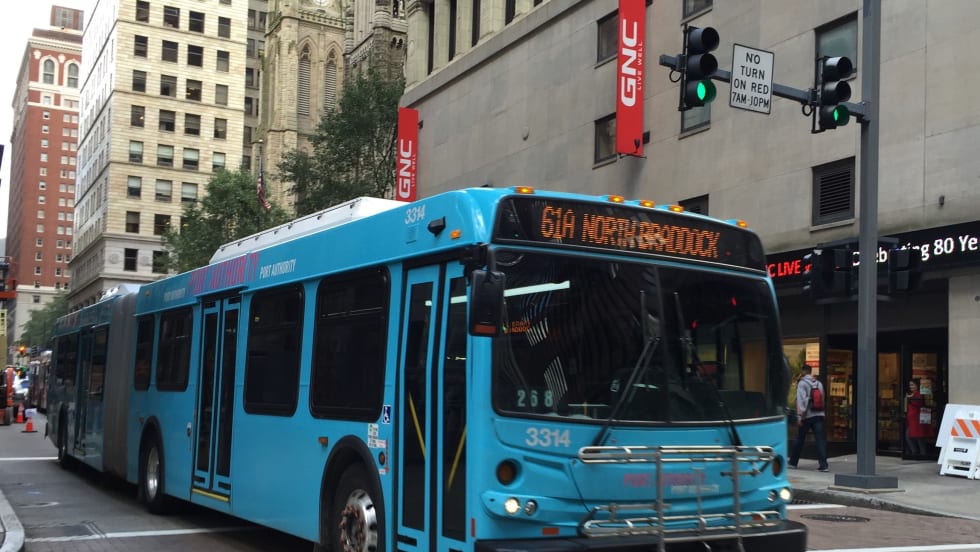

Statistics show that for many people, sleep can be a matter of life or death. This may sound overly dramatic, but let’s consider that in 2005 the NHTSA conservatively estimated that drowsy driving was responsible for at least 100,000 automobile crashes, 71,000 injuries, and 1,550 fatalities annually.¹ More recently, the NHSTA estimated at least 846 people died in 2014 due to the effects of drowsy driving.
Read More →To date, FMCSA has held three public listening sessions on this program and previously received input from its Motor Carrier Safety Advisory Committee.
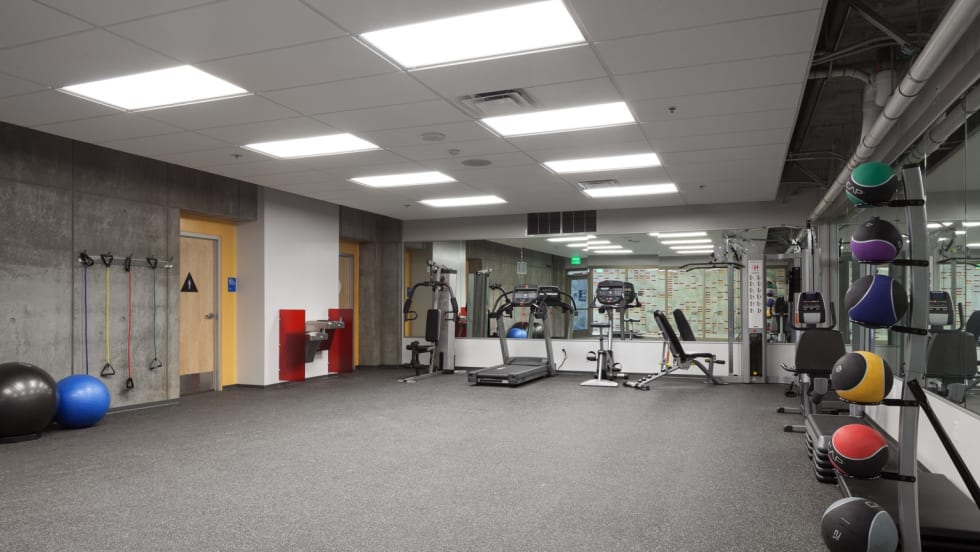
Read More →Most transit facilities have a break room for operators to use between shifts — typically an artificially lit space with a TV, vending machines, and cafeteria-style tables and chairs. The trouble is, every person has a different way of relaxing. Besides exposure to daylight and nature, key components of wellbeing are social cohesion and a sense of empowerment. The key here then is to empower employees to choose the best way to relieve their own stress around shifts.
Read More →While on trial for criminal charges, the driver, Juliann Maier, who suffered a broken pelvis, four broken ribs and lost her job, said that she “couldn’t control the steering” of her bus because of a mechanical problem.
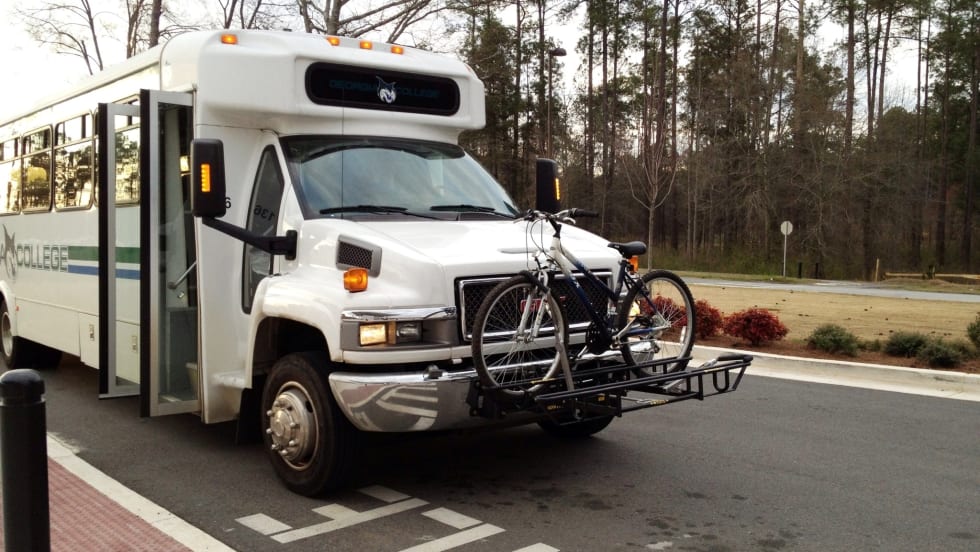
Read More →One topic I have heard discussed in some circles is regarding the amount of training to administer to new-hire candidates that bring some past driving experience with transport vehicles (paratransit, shuttle, etc.).
Read More →The agency has convinced the area's legislators to sign a letter asking Commonwealth's Attorneys to seek jail time when operators are assaulted.
Read More →Thinking of the situation in terms of “who should yield” will lead operators to a less aggressive mindset. Once we get our operators to think in terms of “who should yield,” the logical follow up question to ask is “will they yield?” Once operators start looking at situations with a “yield” attitude, it becomes easier to recognize situations, which may result in preventable crashes.
Read More →According to the agency transit manager, the driver “got off route” and drove under the bridge, though why is still under investigation. The bus was out-of-service and had no passengers at the time.
Read More →New distracted driving policy prohibits drivers from “creating, sending or reviewing text messages or email, accessing the Internet for any purpose, electronic gaming and reading any printed material on an electronic device or in paper form while operating a university motor vehicle.
Read More →