



Related: Focus on Coaching to Raise Driver Training Effectiveness
Cultivating the mindful bus driver
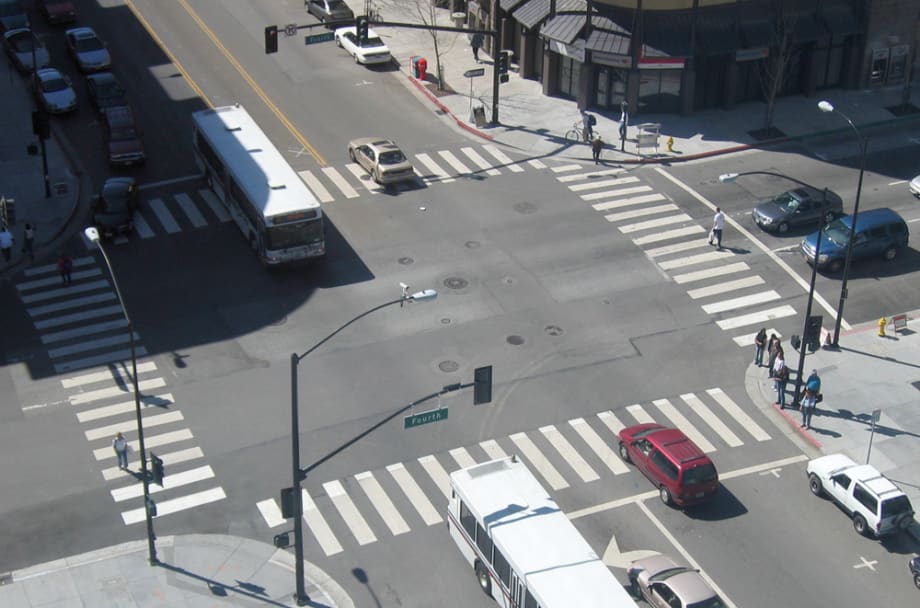
Thinking of the situation in terms of “who should yield” will lead operators to a less aggressive mindset. Once we get our operators to think in terms of “who should yield,” the logical follow up question to ask is “will they yield?” Once operators start looking at situations with a “yield” attitude, it becomes easier to recognize situations, which may result in preventable crashes.

John Filippone・Safety and Training Manager for the Roaring Fork Transportation Authority
Jeremy Kemp
3 min to read
Jeremy Kemp
Who has the “right of way?” Is it mine or the other guy’s? When operators think of these situations in terms of “I have the right of way,” it leads to a very possessive attitude and aggressive protection of what is “mine.” An aggressive mindset in an operator obviously increases the chances of a preventable crash.
Thinking of the situation in terms of “who should yield” will lead operators to a less aggressive mindset. Once we get our operators to think in terms of “who should yield,” the logical follow up question to ask is “will they yield?” Once operators start looking at situations with a “yield” attitude, it becomes easier to recognize situations, which may result in preventable crashes. This attitude also comes into play in situations like being cutoff in traffic. It leads operators to the calm outlook: “It’s no big thing — water off a duck’s back.” Hopefully this less aggressive mindset will help reduce preventable crashes.
What of the operator who responds to this attempt to mellow him/her out? “I will never keep my time points” is not a legitimate response, even though it is commonly used. I believe most operators in transit are paid by the hour, so why should they care? As Louie Maiello said in a recent blog, “Transit agencies rarely, if ever, recognize operators for running on time. Operating safely, yes, on time, no. All that is required is for operators to make an honest attempt to run as close to schedule as possible.” We should exercise great caution and make sure we do not inadvertently pressure our operators to cut corners, take chances or drive aggressively in the name of “staying on schedule.”
Incidents, which are determined to be preventable because the operator failed “to do all that is reasonable,” do not deserve the title of preventable accident or preventable collision. Failure to do all that is reasonable means a conscious decision was made to take a course of action, thereby making it impossible to have been an accident. Calling it a collision sounds too cultured and unemotional. It is a crash.
Operators with a less aggressive mindset are more likely to take the time to increase following distance, make square turns, slow down during turns, and not try to beat oncoming traffic or traffic signals during left turns. A less aggressive mindset will also prevent operators from getting “wrapped too tight.” An operator who is not tightly wrapped is much less likely to be taken away in a “rubber bus” and usually provides better customer service, along with safer operation of the vehicle. A less aggressive mindset also equals less stress-related health problems for operators. As we all know, stress leads to increased absenteeism, high heart rate and high blood pressure, as well as many other health and performance issues.
In conclusion, the prudent answer to the question posed at the top should actually be “to yield or not to yield?”
John Filippone is Safety and Training Manager for the Roaring Fork Transportation Authority in Aspen, Colo.
Subscribe to Our Newsletter
More Blog Posts
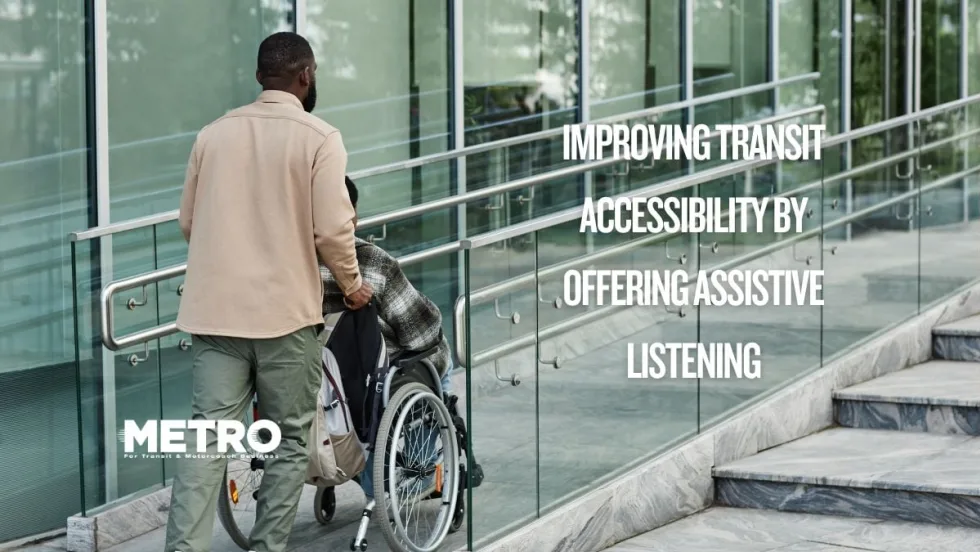
Improving Transit Accessibility by Offering Assistive Listening
Did you know that there are literally tens of millions of people worldwide with hearing loss, many of whom will use some form of public transit at some point?
Read More →
35 Years of the ADA, Making Travel Easier for Seniors
Thirty-five years after the passage of the Americans with Disabilities Act of 1990 (ADA), the impact of this landmark piece of civil rights legislation cannot be overstated.
Read More →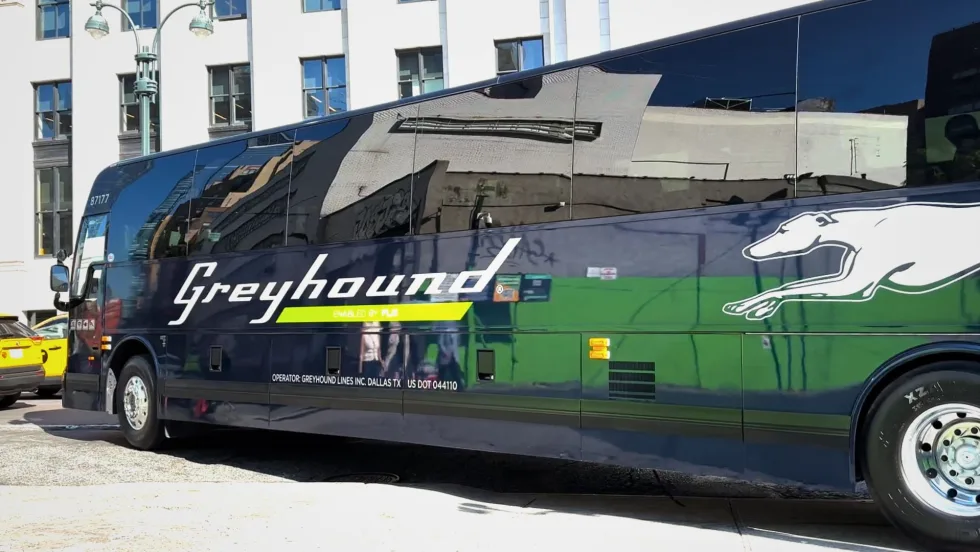
Driving Performance with Purpose: How I Lead One of Greyhound’s Top Teams
Safety, on-time performance, and customer experience are critical elements in intercity bus operations. But getting them right doesn’t come down to plans or protocols alone. It comes down to execution. How well your team performs on the ground, in real time, is what defines success.
Read More →
Navigating Emerging Privacy Laws: A Call to Action for Service Providers in Mass Transit
With Data Privacy Day Jan. 28, I want to spotlight a critical challenge faced by service providers in the mass transit sector: managing personal information responsibly in an era of rapidly evolving privacy regulations.
Read More →
Human Trafficking Awareness: What Public Transportation Can Do?
January is National Slavery and Human Trafficking Prevention Month in the U.S., and January 11 is National Human Trafficking Awareness Day.
Read More →
Want to Improve Transit Safety and Operations? Break Down the Silos
Retrieving and reviewing data and video can be a cumbersome process for fleet managers. Each system or tool provides a piece of the puzzle, but seeing the complete picture requires tedious manual synchronization.
Read More →
Ensuring Public Transit Cybersecurity Through Robust Protective Measures
In today’s highly connected world, cybersecurity is of utmost importance, particularly for transportation agencies overseeing transit bus systems that rely increasingly on sophisticated technologies, including the use of data analytics in traffic signal networks, to manage and operate their systems.
Read More →
How Advances in Thermal Management Revolutionize Urban Mobility
In the daily hustle and bustle of city life, transit buses serve as the backbone of urban transportation, allowing millions of city dwellers to get from point A to point B each day reliably.
Read More →
The Evolution of Bus Design
Thirty years ago, drivers not only had to drive the bus and navigate heavy traffic, but they were also responsible for tasks like supervising passenger loading and unloading, selling tickets, and providing passengers with various kinds of information, all while sitting in an often ill-fitting workstation.
Read More →
What 'Transit Safety 101' Really Means
Safety, Safety, Safety. This word is used repeatedly, and in many contexts, without most people understanding what it actually means.
Read More →