
Metro Magazine

 MENU
MENU SEARCHMENUSEARCH
Loading data...
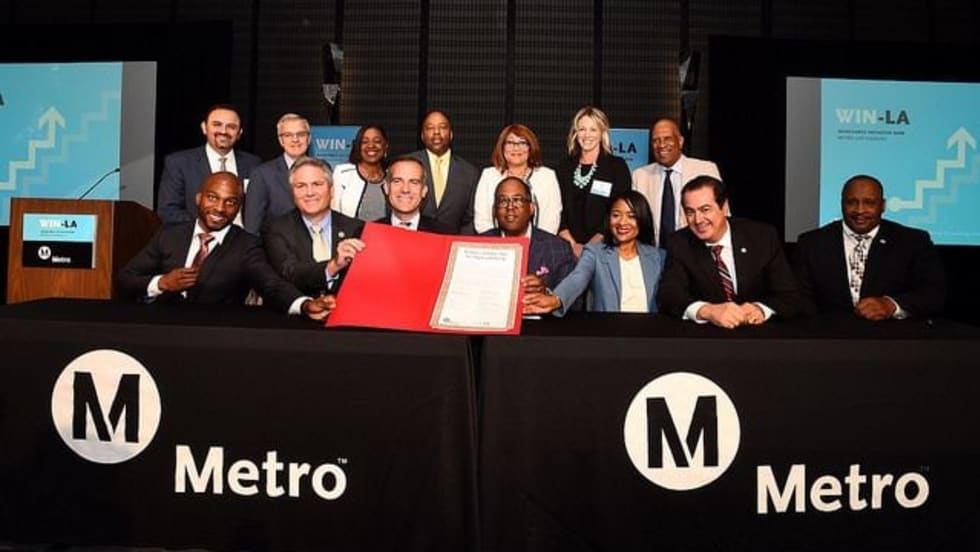
Career pathways include construction, non-construction opportunities in operations/maintenance, administration and professional services in the transportation industry.
Read More →



In addition to targeting veterans and returning citizens, will also target populations that have historically been excluded from the manufacturing industry, such as women and African-Americans.
Read More →The move from nearby Hayward, Calif., took three years of meticulous planning and was completed losing less than two days of production, with each employee receiving an individualized move plan.
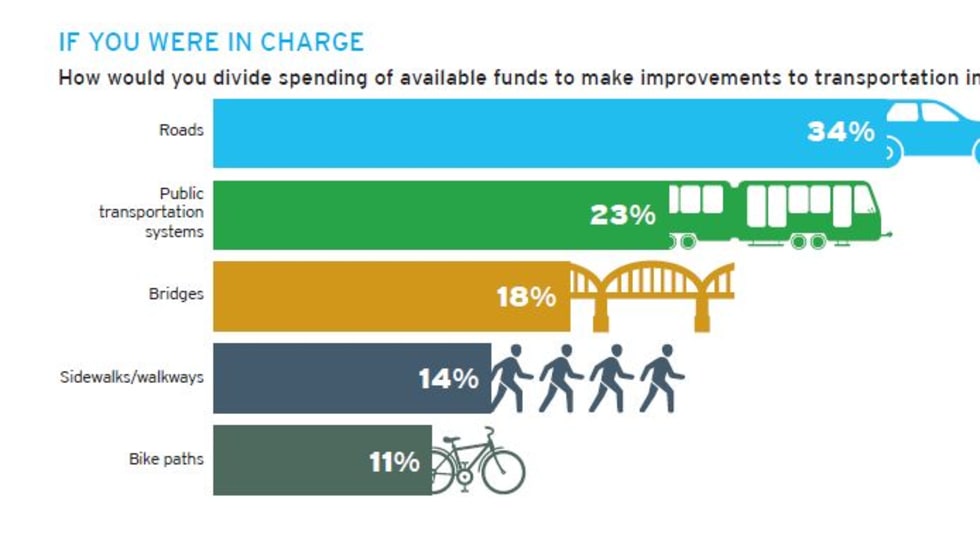
Read More →Increased mobility for more people, jobs and cleaner air most frequently cited benefits, according to a new HNTB survey.
Read More →The forum comes as Trump's proposed budget would cut the US DOT's budget by $2.4 billion and severely impact the Capital Investment Grants and TIGER programs.
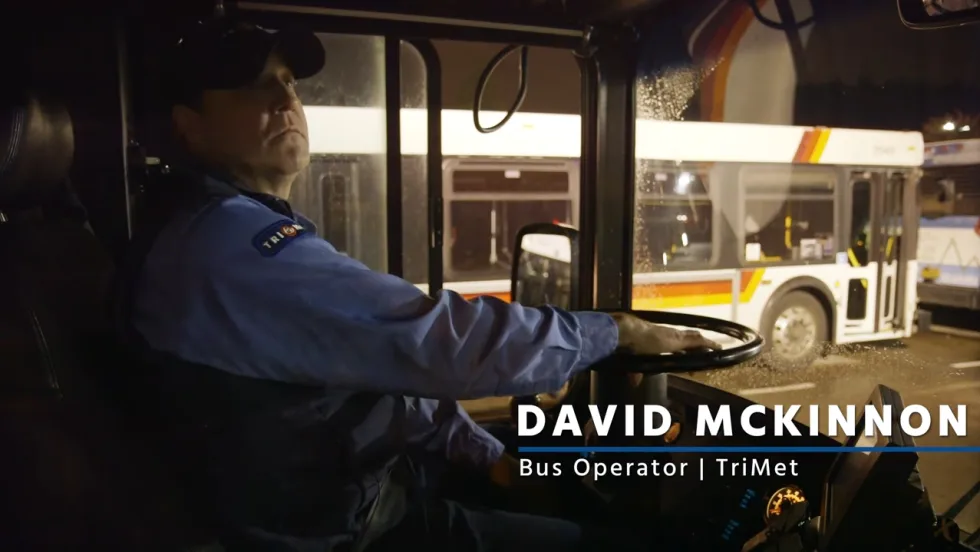
Read More →Dave McKinnon was a TriMet rider for nine months before he applied for the job as a bus operator. "Being a part of somebody else's life is a big part of this job," he says.
Read More →The PaYS program is designed to help soldiers prepare for a career after the Army by connecting them with employers who understand the skill, discipline and work ethic that military service members can bring to an agency.
Read More →In addition, it could provide sustained economic growth by contributing $800 billion to the nation's Gross Domestic Product over a 20-year period.
Read More →The study, “Who Rides Public Transportation,” reveals that 87% of public transit trips directly impact the economy, either connecting people to employers needing workers, and to retail and entertainment venues.
Read More →Funding for the expanded service pilot came from a grant received from the Michigan Department of Transportation through the Job-Access Reverse Commuter program to increase connectivity for low-income service areas and expand commuting options.
Read More →