
Metro Magazine

 MENU
 SEARCHMENUSEARCH
Loading data...
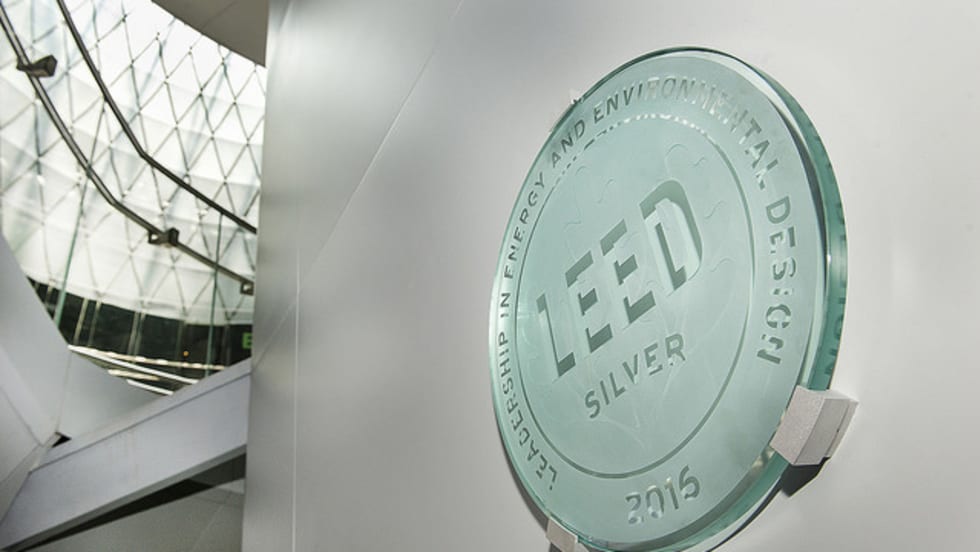
It achieved LEED® certification for implementing practical and measurable strategies in sustainable site development, water savings, energy efficiency, materials selection and indoor environmental quality.
Read More →





The methodology used by the Ethisphere Institute for naming the 2009 World’s Most Ethical Companies included reviewing codes of ethics, evaluating the investment in sustainable business practices and reviewing activities designed to improve corporate citizenship.
Read More →Transportation, one of the categories rated that contributes to the university’s overall grade, received an 'A' for the third year in a row.
Read More →Site showcases the manufacturer’s traditional shelter designs as well as their latest “green” initiatives, including sustainable materials, solar-powered LED lighting and the Big Belly Solar trash compactor unit they distribute.
Read More →The contract also includes solutions for driverless automated systems, data transmission, centralized supervision controls, and the overall integration of the transport system.
Read More →The vegetated trackway area is pervious to stormwater, thus reducing runoff. It is comprised of 1-inch thick mats with various sedum species.
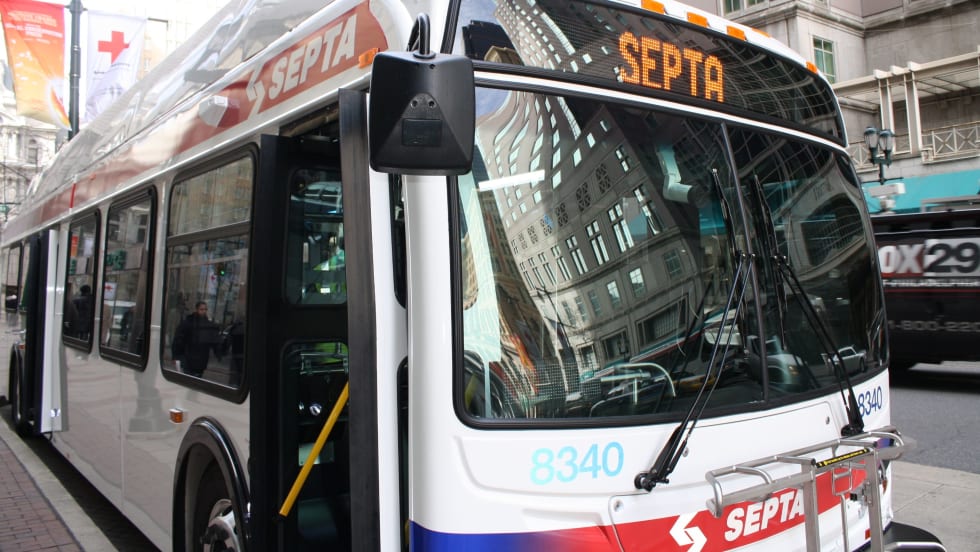
Read More →This is the third year of SEPTA’s formal Sustainability Program and its pursuit of a "triple bottom-line" strategy: becoming environmentally, socially and economically sustainable. The agency’s Sustainability Annual Report demonstrates how previously untapped assets are making a difference in the agency’s daily operations.
Read More →Users of the program receive a mass transit pass valid on all CATABUS routes at the reduced rate of $5 per month, with Transportation Services covering the remaining cost of each pass to provide graduate students with a sustainable and affordable means of getting to and from campus.
Read More →The name change reflects the organization’s connection with a company recognized for sustainable reliability, long-term partnership, technological innovation, and excellent sales and service expertise.
Read More →Public transportation consumes 3.7 times less energy per passenger than private modes of transportation.
Read More →