



Sustainability Programs: A Triple (Bottom Line) Threat
This is the third year of SEPTA’s formal Sustainability Program and its pursuit of a "triple bottom-line" strategy: becoming environmentally, socially and economically sustainable. The agency’s Sustainability Annual Report demonstrates how previously untapped assets are making a difference in the agency’s daily operations.

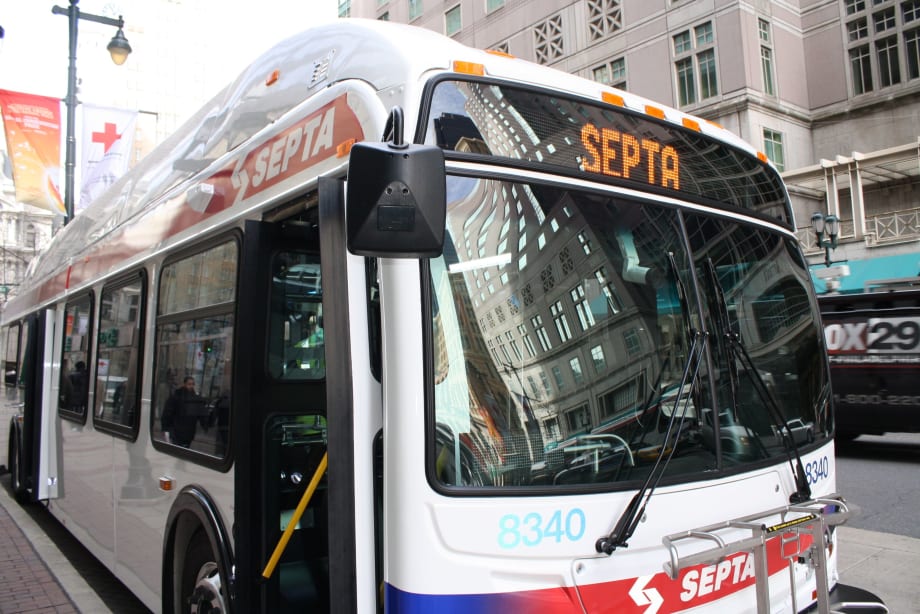
With its buses, SEPTA is replacing the traditional mechanically-driven engine cooling function with an electronically-driven system to improve its fuel economy. Two pilot units had an 8% to 10% fuel saving.
Implementing sustainability plans not only allows transit authorities to demonstrate their commitment to being socially and environmentally responsible; adhering to these programs can also help agencies reap financial benefits. In other words, being green can save green — dollars, that is.
This is the third year of Southeastern Pennsylvania Transportation Authority’s (SEPTA) formal Sustainability Program and its pursuit of a "triple bottom-line" strategy: becoming environmentally, socially and economically sustainable.
Adopted by SEPTA’s board in 2011 and put into action in 2012, the agency’s Sustainability Program uses innovative strategies to capture wasted resources and put them back into productive use to add environmental, social and economic value. SEPTA’s recently released Sustainability Annual Report demonstrates how a variety of previously untapped assets are making a difference in the agency’s daily operations.
For example, by instituting a single-stream, source separated recycling program at all of its employee locations, passenger stations on the Broad Street, Market-Frankford and Trolley Lines and its downtown Philadelphia and Philadelphia International Airport Line Regional Rail Stations, SEPTA has projected an average cost reduction of 17% (more than $100,000) per year. Before recycling, the agency paid more than $800,000 per year for trash disposal services.
Under the new hauling contract, SEPTA’s projected cost of each ton of trash and recycling disposed is $107 and $2, respectively, due to lower transportation costs and rebates for the cardboard, paper, plastic, aluminum and glass. For this reason, the price of the new five-year hauling contract is almost the same as the previous three-year hauling contract.
Essentially, SEPTA received two years of complimentary hauling services by implementing its comprehensive program.
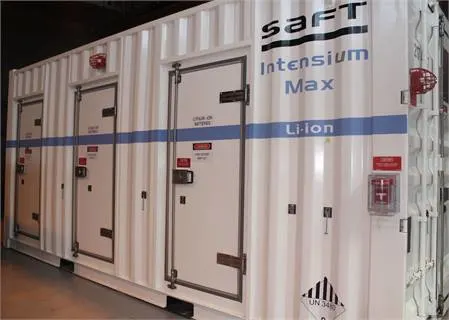
SEPTA captures, stores and reuses braking trains’ energy.
In addition to recycling tangible commodities like cardboard, paper and aluminum, SEPTA is also recycling energy created by braking trains. On the Broad Street (subway) Line, propulsion control boxes reduced energy consumption by more than 8 million kilowatt hours in 2011 — a savings of more than $700,000 per year at the agency’s current price for electricity.
On the Market-Frankford (subway-elevated) Line, increased voltage levels associated with regenerative braking, coupled with SEPTA’s wayside energy storage project, saved $250,000 in its first year. The two grant-funded wayside energy storage devices the agency is currently installing on the line could result in up to $440,000 in new economic value by capturing and reusing regenerated energy from braking trains. These initiatives will save SEPTA millions of dollars each year in ongoing operating costs.
With its buses, SEPTA is replacing the traditional mechanically-driven engine cooling function with an electronically-driven system to improve its fuel economy. Two pilot units had an 8% to 10% fuel saving.
With its buses, SEPTA is replacing the traditional mechanically-driven engine cooling function with an electronically-driven system to improve its fuel economy. Two pilot units had an 8% to 10% fuel savings (approximately $3,000 in annual fuel savings per bus at $3.00 per gallon).
All of the agency’s new buses will be equipped with electric engine cooling upon arrival and SEPTA is now seeking grant funding to retrofit its existing fleet vehicles.
As a result of its diligence, four of SEPTA’s 12 sustainability performance targets have already achieved the triple-bottom-line focuses. The program is not rigid — its progress is re-evaluated continually and adjustments are made to ensure further success. After two years, the Sustainability Program has demonstrated that opportunities still exist to advance projects that add value to SEPTA and its region.
With the current shortfall in federal, state and local funding, any time transit agencies can make their dollars stretch while demonstrating good citizenship is a bonus.
In case you missed it...
Read our METRO blog, "'SEPTA beefs up its social assets" here.
More Blog Posts
Building a Winning FTA Grant Proposal: Why Propane Autogas is the Pragmatic Choice for Fleet Resilience
With $610 million available through the FY 2026 Buses and Bus Facilities Competitive Program and the Low or No Emission Grant Program, agencies must build a compelling case before the September 21 deadline that balances environmental compliance with operational feasibility.
Read More →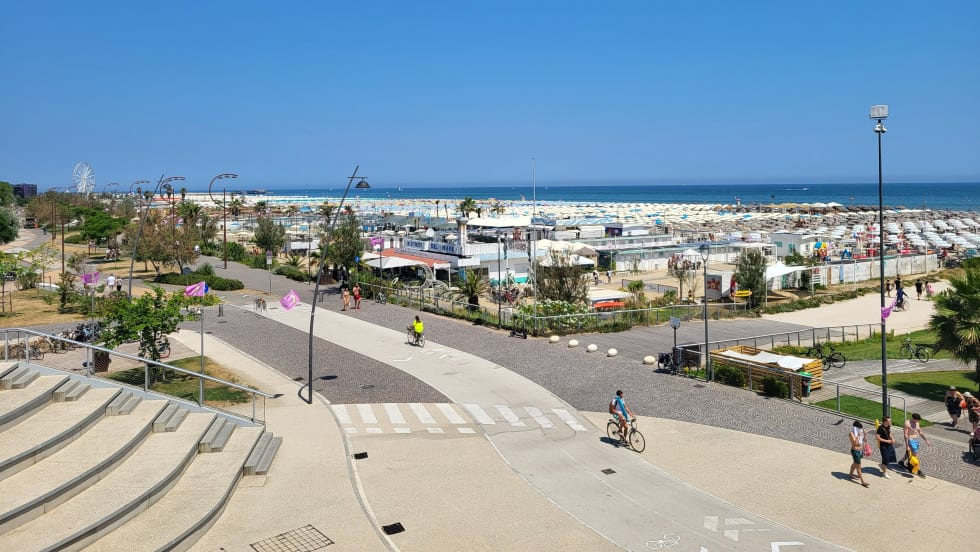
Velo-city Conference 2026: Latest Trends in Cycling as Part of Urban Mobility
The global cycling conference highlighted how cities are integrating bicycles into multimodal transportation networks, expanding cycle tourism and reshaping urban mobility.
Read More →
Kindness Isn’t Soft...It’s Strategic.
Mike Bismeyer — often known as “The Kindness Guy” — has spent more than 17 years in public transit and mobility, serving in industry leadership roles, speaking across North America, and advocating for stronger workplace cultures. But his message doesn’t come from theory. It comes from lived experience.
Read More →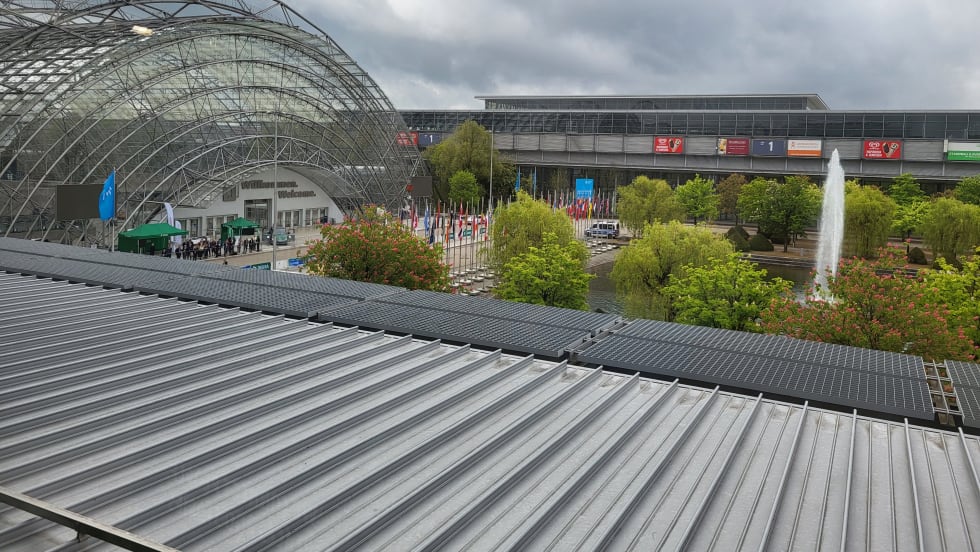
Inside ITF 2026: Transport Reacts to A Challenging World
Transport leaders from around the world gathered in Leipzig, Germany, for the 2026 International Transport Forum to discuss resilience, climate impacts, supply chains and the future of sustainable mobility.
Read More →
Every Ride Tells a Story — But You’re Not Just Selling the Ride
You’re selling the moment, the meaning, and the emotion behind it.
Read More →
How Digital Signage is Reshaping the Traveler Experience at Transportation Hubs
What was once a landscape of static signs has evolved into a responsive, immersive environment powered by real-time visual communication.
Read More →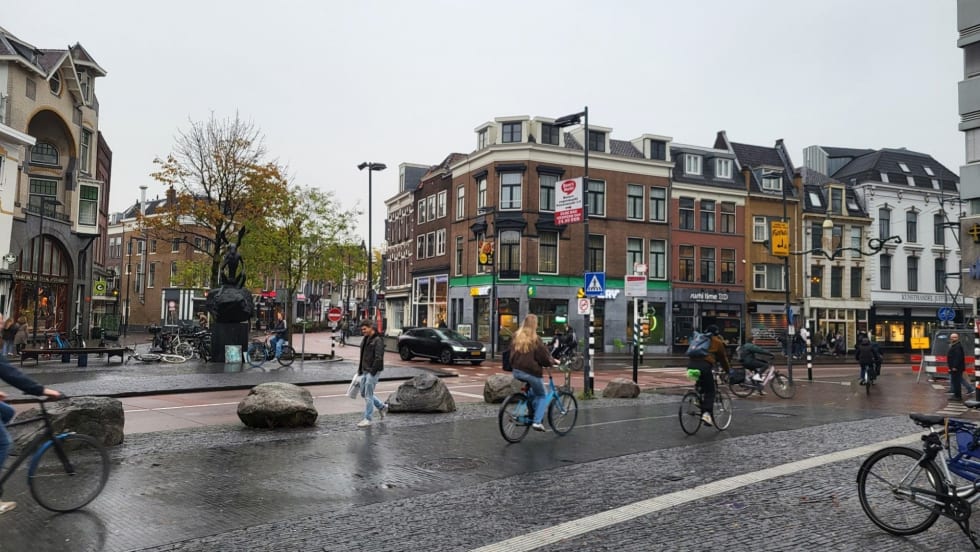
Latest Trends in Urban Mobility from Polis Conference 2025
Polis comprises cities and regions, as well as corporate partners, from across Europe, promoting the development and implementation of sustainable mobility. This year’s event had over a thousand attendees across various policy forums and an exhibition.
Read More →
Why Transit Leaders Require Better Tools for Operational Clarity In Today’s Tech-Fragmented Environment
Across North America and beyond, transit agency officials are contending with a perfect storm of operational headaches and strategic challenges that hamper daily service and long-term progress.
Read More →
The Powerless Brokers: Why California Can’t Build Transit
It is no secret that transit in the U.S. is slow and expensive to build.
Read More →
Why Transport Sustainability Should Focus on People Instead of Cars
Simply incentivizing electrification is not enough to make a meaningful impact; we must shift our focus toward prioritizing public transportation and infrastructure.
Read More →