
Metro Magazine

 MENU
 SEARCHMENUSEARCH
Loading data...
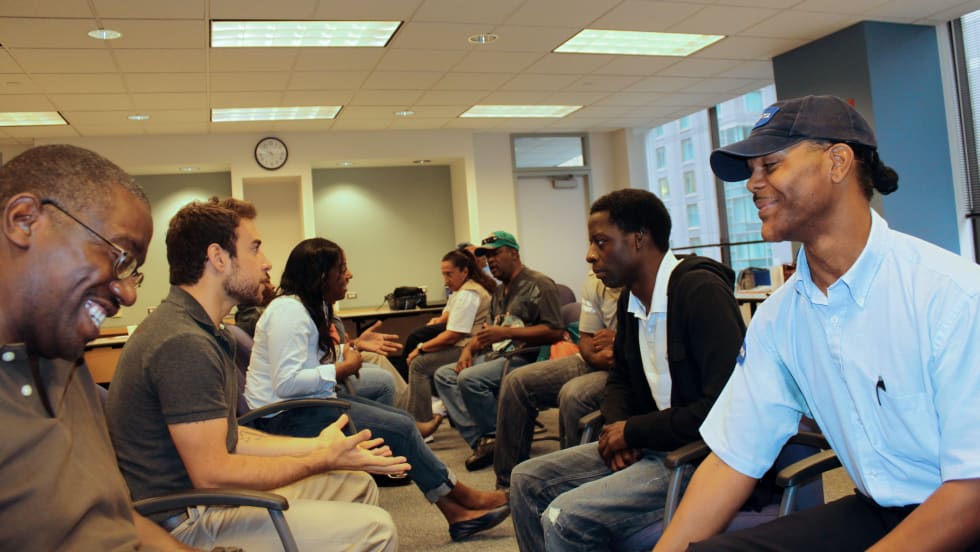
To improve customer service as well as decrease confrontations with passengers and driver assaults, the Southeastern Pennsylvania Transportation Authority (SEPTA) teamed up with Philadelphia's Red Kite Project LLC to create a unique training program that focuses on the life experiences of the drivers.
Read More →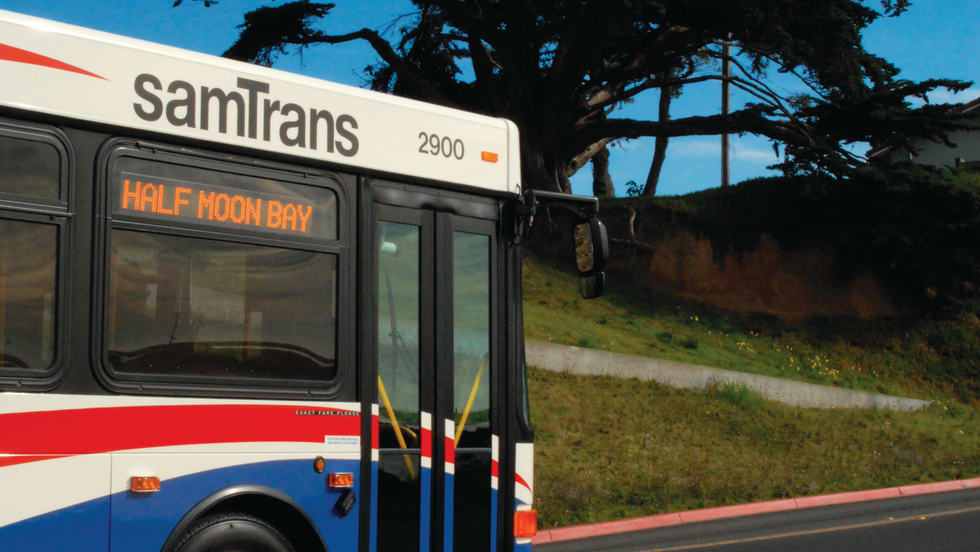
Providing much-needed paratransit and access to jobs in often very remote areas, agencies in these regions struggle with some of the same challenges that small urbanized agencies do: funding, and rising fuel costs and demand, which have a significant impact on a vulnerable population.
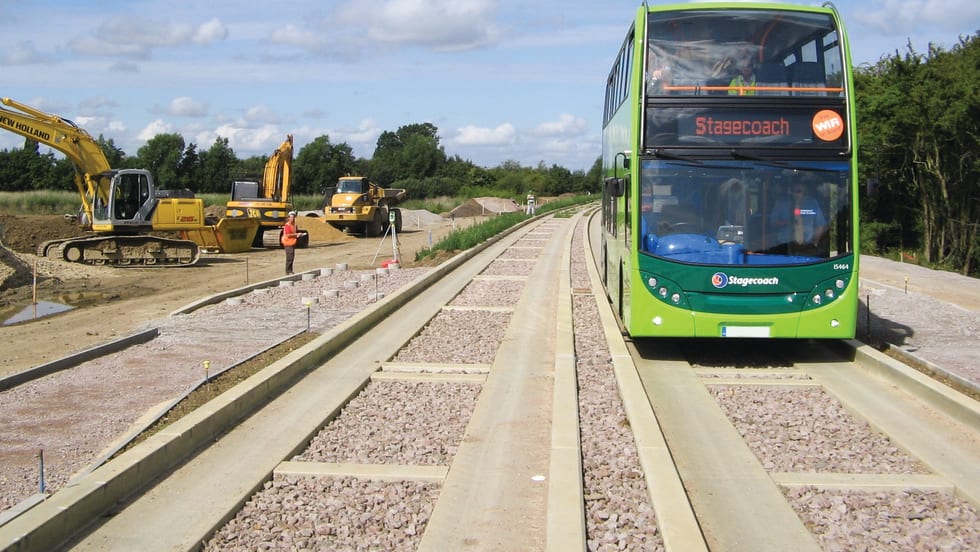
Read More →Since August 2011, passengers have been riding comfortable, well-appointed buses that can attain speeds of 60 miles per hour on the Cambridgeshire Guided Busway.
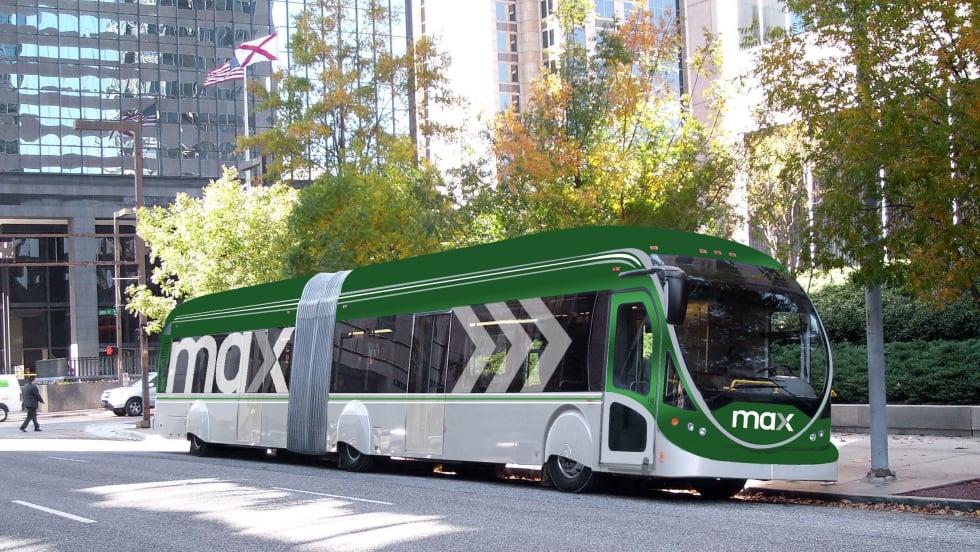
Read More →What makes BRT projects stand out as a popular transit choice right now in the U.S., Art Guzzetti, VP, policy, American Public Transportation Association says, is its versatility.
Read More →New contract will be for five years with two one-year options and takes effect Feb. 1, 2013.
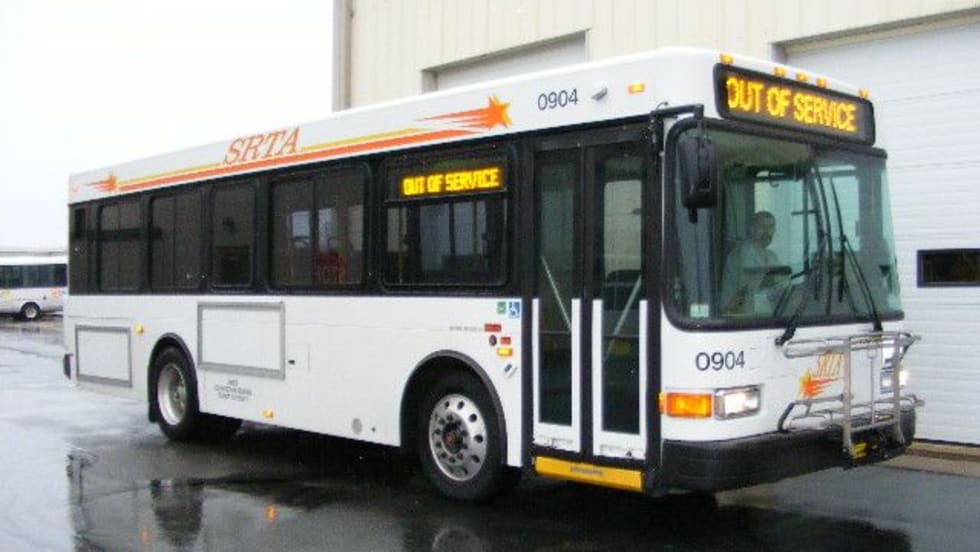
Read More →The SRTA operates 79 buses, throughout local counties, including Acushnet, Dartmouth, Fairhaven, Fall River, Freetown, Mattapoisett, New Bedford, Somerset, Swansea and Westport.
Read More →The 8.3-mile route, with a proposed 27 stops, would replace the Capital Area Transportation Authority’s current Route 1 from downtown Lansing to the Meridian Mall. Results from the plan’s environmental assessment study are expected to be shared at a public hearing this fall.
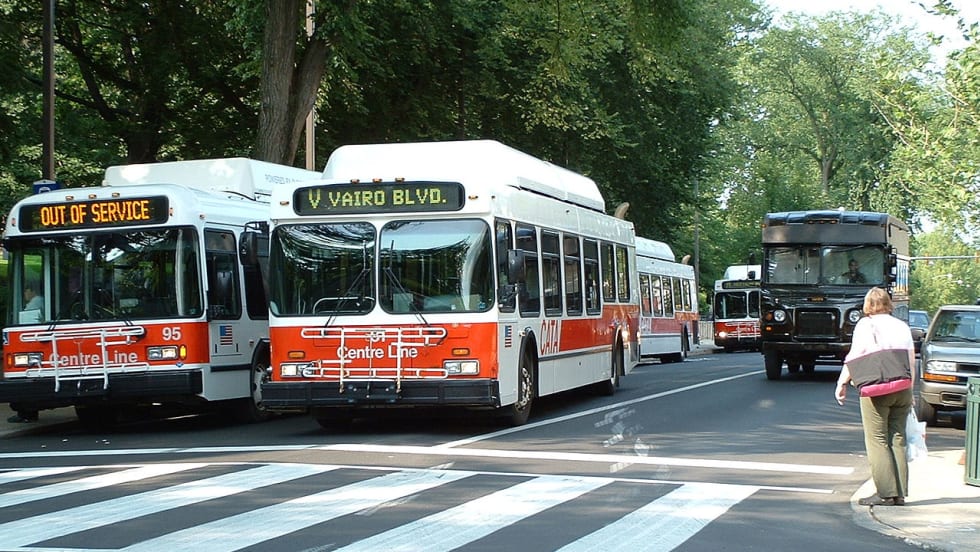
Read More →Users of the program receive a mass transit pass valid on all CATABUS routes at the reduced rate of $5 per month, with Transportation Services covering the remaining cost of each pass to provide graduate students with a sustainable and affordable means of getting to and from campus.
Read More →Stay informed with these quick takes on the projects and companies driving progress across the transportation landscape.
Read More →Passengers stood in the best possible position on the platform when they received continuous, mostly visual information.
Read More →