
Metro Magazine

 MENU
MENU SEARCHMENUSEARCH
Loading data...
Vontas OnTransit is a solution that decreases agency training efforts and employee onboarding time.
Read More →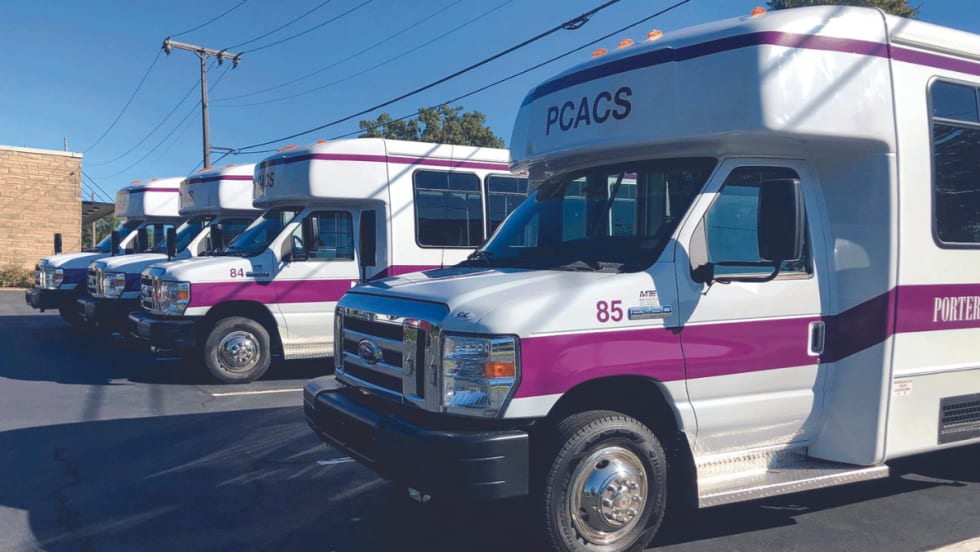


The Indiana project, which increased mobility for paratransit users in the Indiana area, was one of the winner's of METRO's 2022 Innovative Solutions Awards.
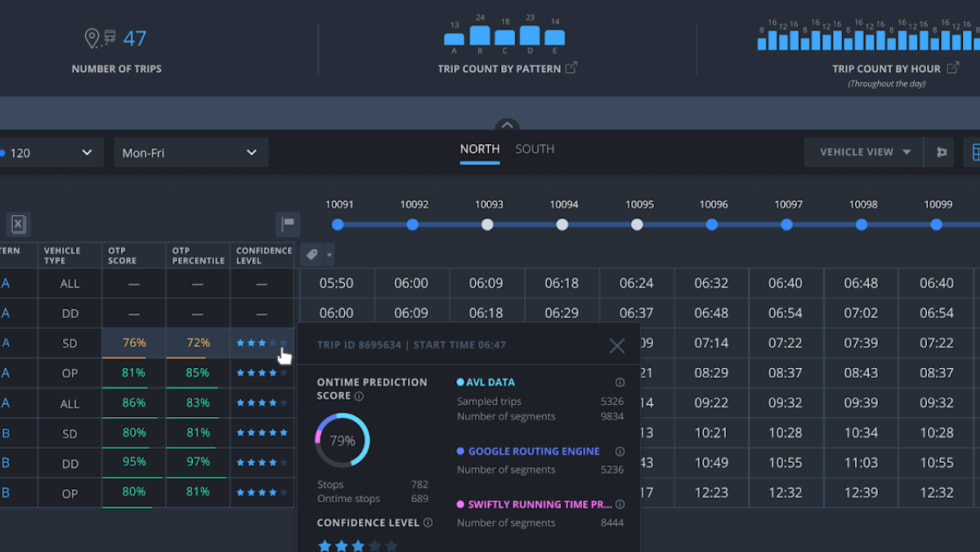
Read More →Optibus said its latest bundle of features is designed to analyze, predict, and improve on-time performance (OTP) and the quality of public transportation.
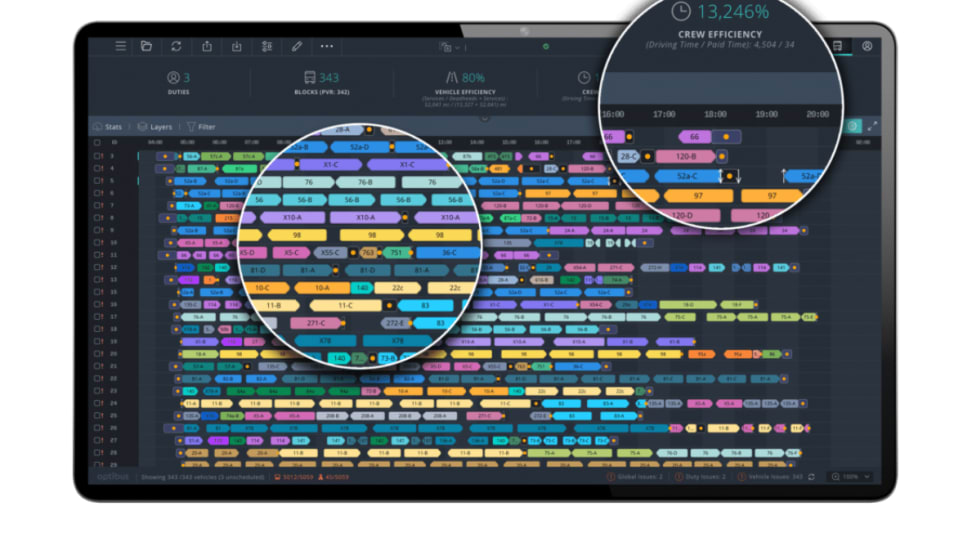
Read More →Optibus said the collaboration reinforces a strong partnership through better insight into partners’ work processes.
Read More →Many small to mid-sized public transit agencies are sitting on a treasure trove of data from a variety of hardware and software sources. However, most do not have the capabilities to extract value from that data to gain insights into past, present, and future ridership demand and make meaningful projections.
Read More →A lot goes into providing communities with safe, reliable transportation. Bus and transport fleet managers are increasingly turning to fleet management software to help improve fleet operations, reduce downtime and operating costs, and increase asset ROI.
Read More →The agreement with Bentley Systems gives structural engineers and designers the ability to transfer designs more accurately between the two programs.
Read More →With Powered by AMPLY, Lightning will combine the strength of its own vehicle telematics with AMPLY’s OMEGA charge management software for new EV purchases.
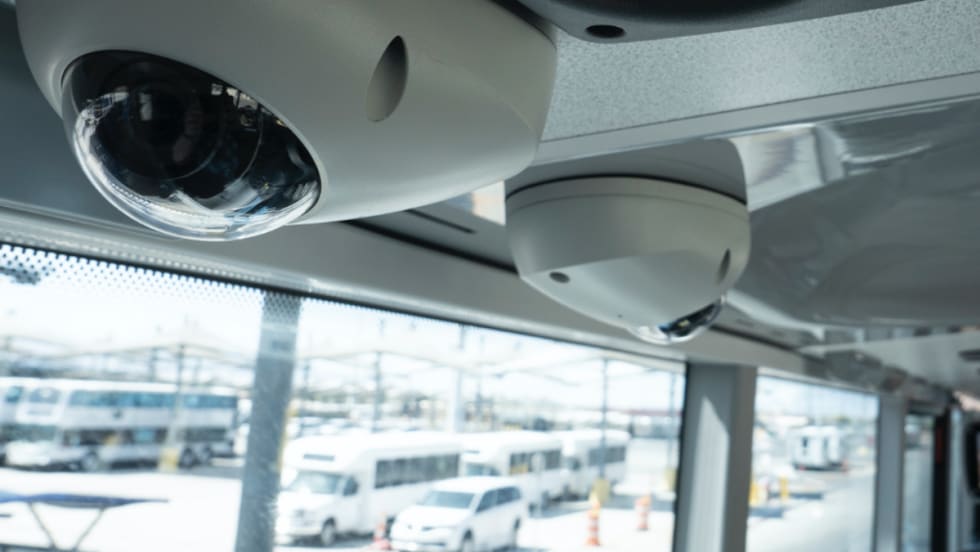
Read More →Luminator’s RoadRunner video security solutions provide RTC with a system designed to improve safety.
Read More →Ecolane was founded in Finland with its rideshare platform.
Read More →