



How Big Data & AI Strengthens Public Transit for the Post COVID City
Many small to mid-sized public transit agencies are sitting on a treasure trove of data from a variety of hardware and software sources. However, most do not have the capabilities to extract value from that data to gain insights into past, present, and future ridership demand and make meaningful projections.


Public transit has struggled to retain passengers in North America for many years, while in Europe it has proven to be a fundamental public good.
Getty Images/Lan Zhang
Many small to mid-sized public transit agencies are sitting on a treasure trove of data from a variety of hardware and software sources. However, most do not have the capabilities to extract value from that data to gain insights into past, present, and future ridership demand and make meaningful projections. In this article, we will discuss how taking a data-driven approach positions public transit agencies for a post COVID ridership recovery.
Public Transit and the COVID Landscape
Public transit has struggled to retain passengers in North America for many years, while in Europe it has proven to be a fundamental public good. This divergence in the role of public shared mobility versus private individualized mobility has reached a tipping point during the COVID pandemic.
While many private shared mobility services began to quickly expand across North America and Europe, public transit was caught in a difficult position. The battle lines were drawn, and many public authorities viewed private mobility services (scooters, bikes, ride hail, etc.) as a direct threat to ridership and revenue. However, things began to change with the onset of the pandemic.
Transformation of People and Goods Movement
Over the past two years, we witnessed a complete transformation of the movement of people and goods throughout urbanized areas and regions. What was the typical nine to five/ Monday to Friday suburban/CBD commute has been turned on its head. Our daily patterns and routines were severely affected by public health policies that encouraged social distancing, working from home, and staying local.
These policies resulted in multi-peak commutes and ridership surges throughout the day, versus the duality seen pre-COVID. This disruption affected public transit probably the most of all modes (public and private). As a result, what started in early 2020 as an 80% to 90% drop in ridership, has slowly and steadily returned to normal, with numbers now equal to late 2019.
User Centric Approach to Public Transit
This return to normal has not been without its complexities and externalities. Public transit has indeed been able to regain passengers, but there are many considerations that public transit agencies and operators need to take into account if their service is to be sustained and repositioned to be more "user-centric."
COVID-19 has resulted in a decreased number of passengers. Many public transport systems have adjusted their timetables to accommodate fewer passengers, but we are now moving into a growing market. Asistobe offers prediction functionality estimating the next period’s ridership, the passenger distribution across the network, and recommends headways to handle the change. The company also lets you optimize costs both for the short and long term.
Passenger Distribution Trends
As we slowly begin to emerge from the pandemic, some very interesting trends are starting to present themselves. Specifically, in the world of mobility and public transport, we're beginning to witness levels of commercial, recreation, and leisure activities not seen since late 2019/early 2020.
What's important to note is that many of these trends are either on target, or growing faster than previously expected, in light of recent COVID variants (such as Omicron). Therefore, what we're currently dealing with is a situation as we move into the summer of 2022 whereby many public sector planners, engineers, operators, and policy makers are simply trying to make sense of the data.
Use of AI/ML in Predictions of Mobility Movement
Short term predictions/algorithms of passenger distribution would have guided any PTA through COVID and now through post-COVID rebuild. Our long-term predictions ensure the public transport system actually handles the real transport demand as efficiently as possible.
The smart use of data, and then also from several data sources, can help make public transport more efficient, such as Asistobe’s partnership with Telia to demonstrate and showcase the use of telecommunications data for better understanding of real public transport demand, optimization, predictions, and planning.
Stronger Public Transport for a Resilient Recovery
Public transport has a direct impact in our daily lives and serves as the backbone of all urban mobility. This very fact means that by boosting the value and effectiveness of public transport, one could play a part in 1.) Strengthening a post-COVID recovery, and 2.) Combat climate change, all at once.
As was articulated by Phillip Turner, Head of Sustainability with the International Association of Public Transport (UITP) recently at COP26, “As a major solution to helping make our cities inclusive, safe, resilient, and sustainable for all, public transport must be at the heart of these discussions as we look towards a post-pandemic world.” This policy statement clearly places public transport at the center of the path toward a more sustainable future.
The Road Ahead for Public Transit and Data
Designing, improving, and optimizing a public transport network is an insanely complex task. At least if you are truly committed to transport as many people as possible, using a limited pool of resources. Asistobe’s tool provides AI-based functionality assisting in making the right decisions for your city. It offers prediction functionality estimating the next period’s ridership, the passenger distribution across the network, and recommends headways to handle the change.
More Blog Posts
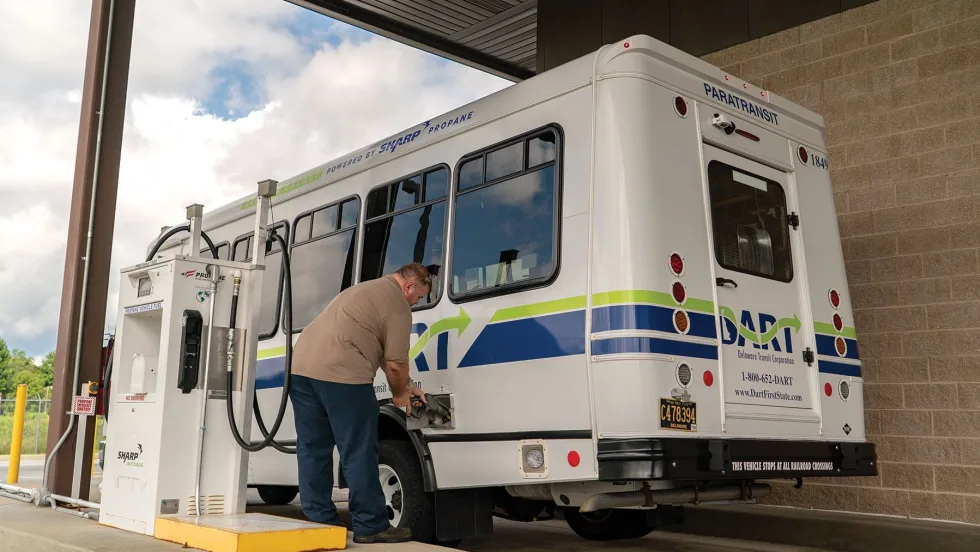
Building a Winning FTA Grant Proposal: Why Propane Autogas is the Pragmatic Choice for Fleet Resilience
With $610 million available through the FY 2026 Buses and Bus Facilities Competitive Program and the Low or No Emission Grant Program, agencies must build a compelling case before the September 21 deadline that balances environmental compliance with operational feasibility.
Read More →
Velo-city Conference 2026: Latest Trends in Cycling as Part of Urban Mobility
The global cycling conference highlighted how cities are integrating bicycles into multimodal transportation networks, expanding cycle tourism and reshaping urban mobility.
Read More →
Kindness Isn’t Soft...It’s Strategic.
Mike Bismeyer — often known as “The Kindness Guy” — has spent more than 17 years in public transit and mobility, serving in industry leadership roles, speaking across North America, and advocating for stronger workplace cultures. But his message doesn’t come from theory. It comes from lived experience.
Read More →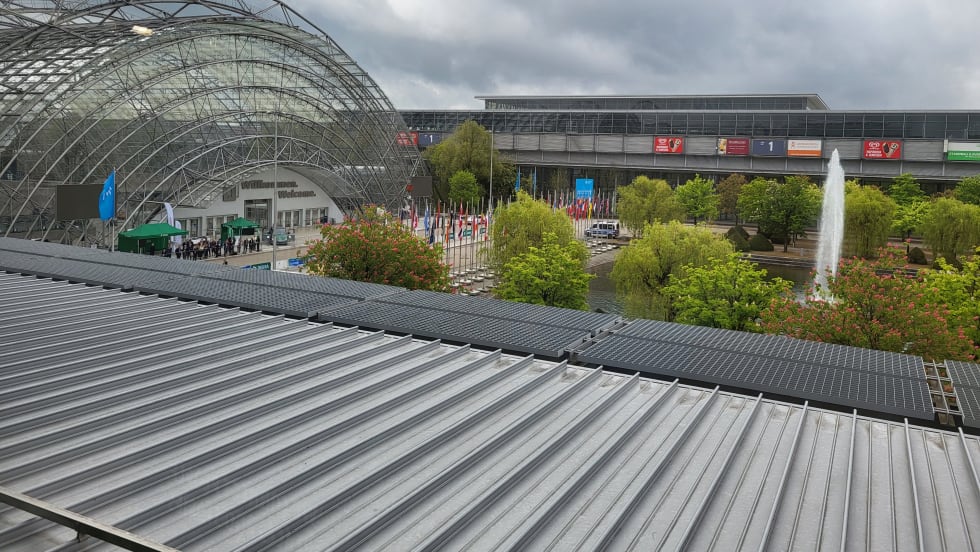
Inside ITF 2026: Transport Reacts to A Challenging World
Transport leaders from around the world gathered in Leipzig, Germany, for the 2026 International Transport Forum to discuss resilience, climate impacts, supply chains and the future of sustainable mobility.
Read More →
Every Ride Tells a Story — But You’re Not Just Selling the Ride
You’re selling the moment, the meaning, and the emotion behind it.
Read More →
How Digital Signage is Reshaping the Traveler Experience at Transportation Hubs
What was once a landscape of static signs has evolved into a responsive, immersive environment powered by real-time visual communication.
Read More →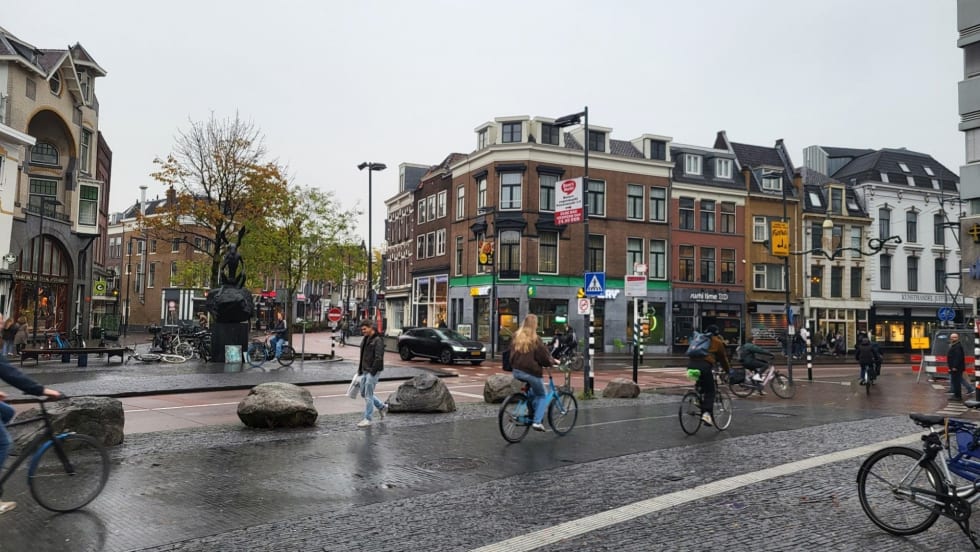
Latest Trends in Urban Mobility from Polis Conference 2025
Polis comprises cities and regions, as well as corporate partners, from across Europe, promoting the development and implementation of sustainable mobility. This year’s event had over a thousand attendees across various policy forums and an exhibition.
Read More →
Why Transit Leaders Require Better Tools for Operational Clarity In Today’s Tech-Fragmented Environment
Across North America and beyond, transit agency officials are contending with a perfect storm of operational headaches and strategic challenges that hamper daily service and long-term progress.
Read More →
The Powerless Brokers: Why California Can’t Build Transit
It is no secret that transit in the U.S. is slow and expensive to build.
Read More →
Why Transport Sustainability Should Focus on People Instead of Cars
Simply incentivizing electrification is not enough to make a meaningful impact; we must shift our focus toward prioritizing public transportation and infrastructure.
Read More →