
Metro Magazine

 MENU
MENU SEARCHMENUSEARCH
Loading data...
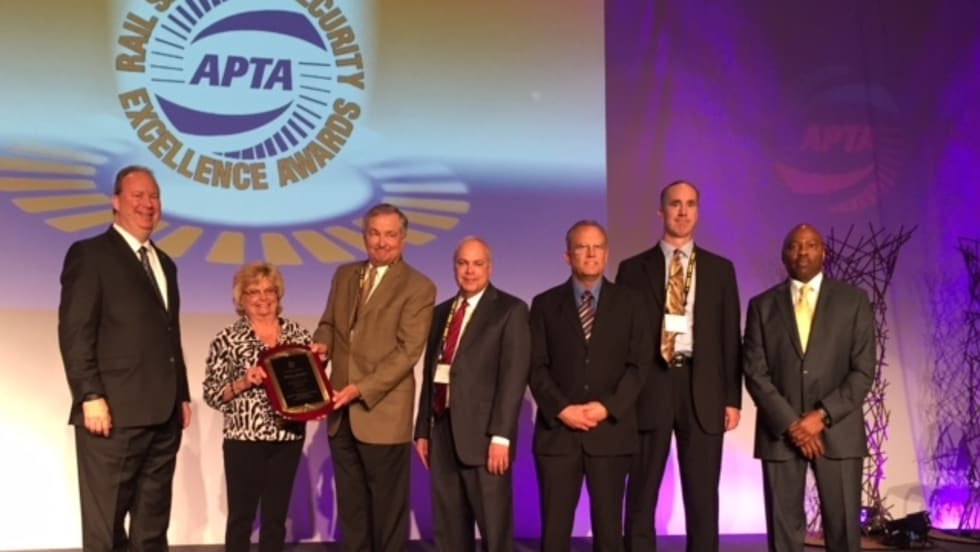
The awards ceremony took place on Monday at the 2015 APTA Rail Conference, which is being held in Salt Lake City.
Read More →
MTA Police, Fare Inspectors and Transit Ambassadors will be out in force on the Light Rail starting from the Hunt Valley Station when they will have a beefed up presence at the Camden Yard station beginning June 9.
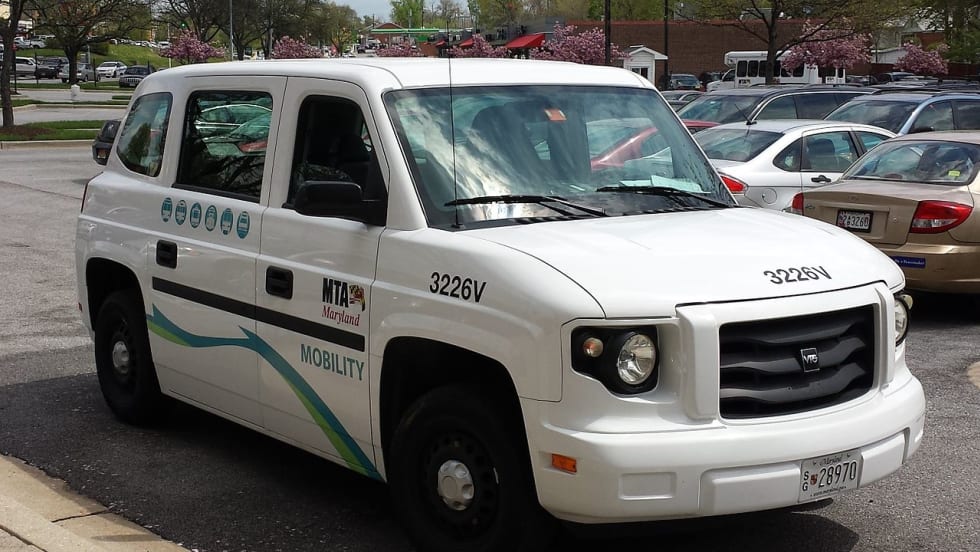
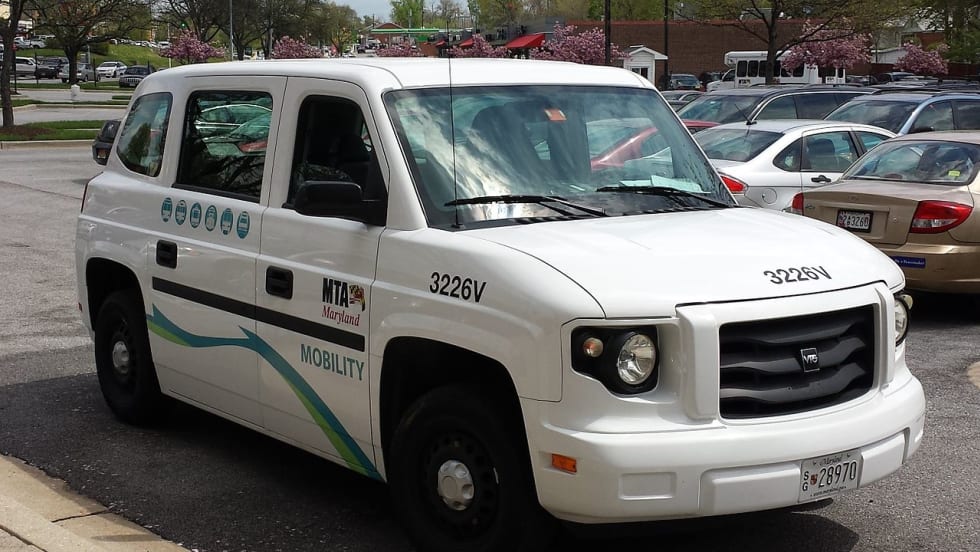
Read More →Service users are routinely picked up and dropped off late for critical medical appointments, and are often put on hold for long periods of time by MTA's Mobility/Paratransit Service, the lawsuit says.
Read More →Physical security surveillance is one of the most vital facets of a transit system’s security plan. In the past, recording was primarily done by analog video cameras, but those systems are now updated with IP cameras that have features like greater data storage and ultra HD imaging. Moreover, today’s surveillance has moved beyond video to audio monitoring. By integrating audio and video, security directors have access to more evidence for reported incidents and accident investigations. Audio also provides accountability for employees, capturing if a train engineer was talking on his cell phone on duty or if a train ticket examiner was providing poor customer service.
Read More →Transit App, a 10-person Montreal-based operation that collates transit information in nearly 90 cities, incorporated the real-time data over the course of an afternoon into its existing mobile app, which already has 20,000 users in Baltimore. Critics are questioning why the MTA couldn't produce a mobile app for its data.
Read More →One major issue the audit found was the MTA effectively paid double for fueling its paratransit fleet, by including fuel costs in the hourly payment and then paying again for fuel separately. The overpayments totaled about $10 million.
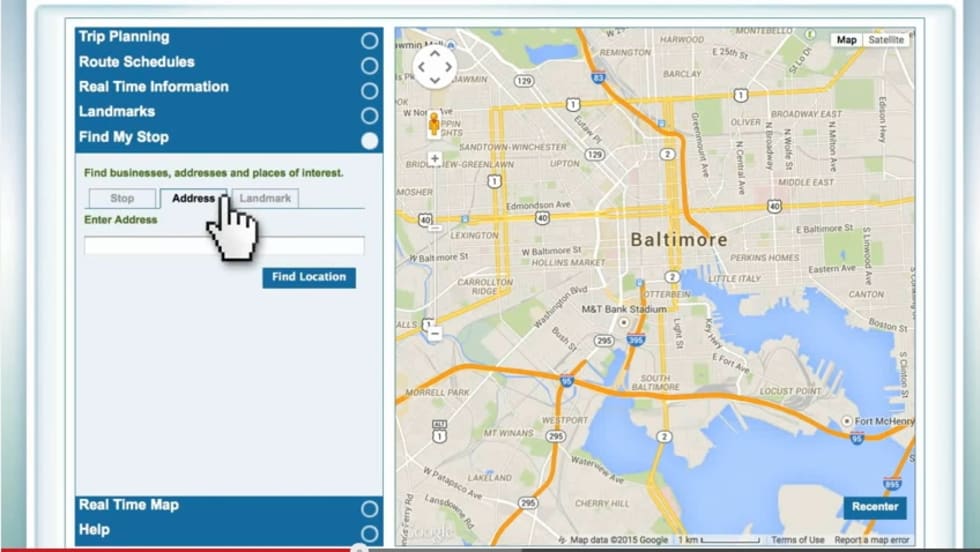
Read More →My MTA Tracker for Bus uses GPS already installed on MTA buses to predict their arrival time at specific stops and routes. MTA engineers worked for more than one year to develop this technology by creating compatibility between state-of-the-art software and three separate operator logon systems currently utilized in MTA buses.
Read More →Users are routinely picked up and dropped off late for critical medical appointments by MTA's mobility/paratransit service, according to the lawsuit.
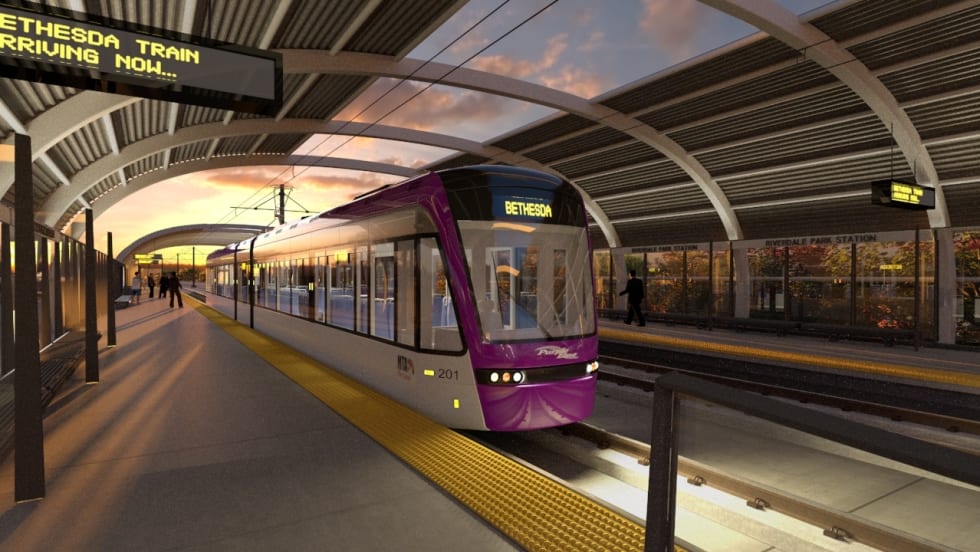
Read More →Entry into the New Starts Engineering phase is the final milestone required before FTA can sign a Purple Line Full Funding Grant Agreement. With this achievement, MTA can start to incur costs that are eligible for federal reimbursement.
Read More →The $1.8 million project, which began in July 2013 and was completed this May, was co-funded by Amtrak and the MTA through the Joint Benefits Agreement between the two agencies.
Read More →