
Metro Magazine

 MENU
MENU SEARCHMENUSEARCH
Loading data...

The Highways and Transit Subcommittee received testimony from the FMCSA, the trucking and bus industry, law enforcement officials, and safety advocates on the CSA program.
Read More →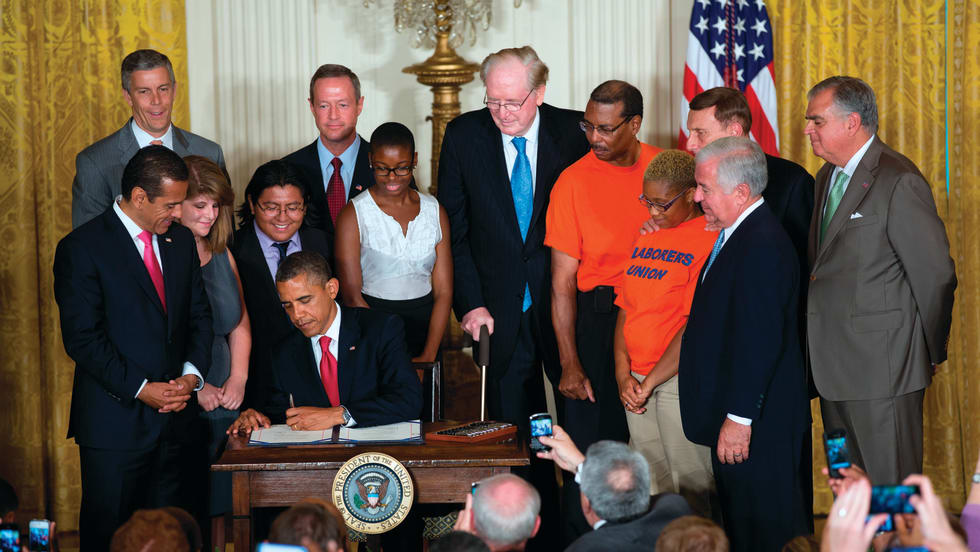
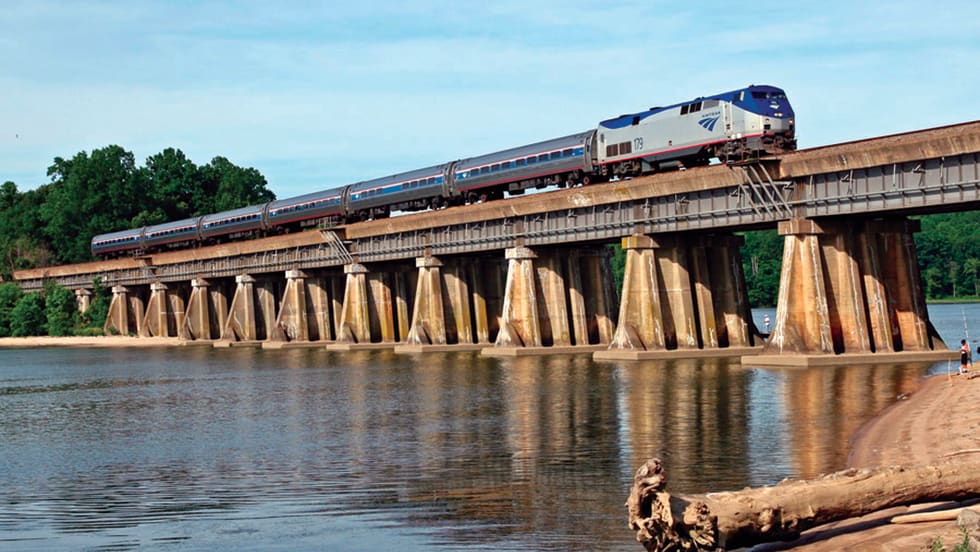

Congress should make it easier to use private contractors, consortia or financing so that agencies can better develop the best strategies that work for them.
Read More →In July, Congress passed a new two-year bill – MAP-21. Highlights contained include an expanded TIFIA program as well as streamlined New Starts and project delivery processes.
Read More →The tentative agreement establishes federal highway, transit and highway safety policy and keeps programs at current funding levels through the end of fiscal year 2014. If a majority of House and Senate conferees approve the conference report, both bodies are then expected to take up the measure before the end of the week, prior to the expiration of the current extension of transportation funding on June 30th.
Read More →Lawmakers said that the leaders’ instruction that negotiators redouble their efforts was seen as genuine and boosted hopes of a deal before the July 4 recess, which begins a week from Friday.
Read More →The draft of the proposal released Wednesday contains a $3.9 billion reduction for the agencies from 2012 spending and it is $1.9 billion less than President Obama requested for the departments earlier this year.
Read More →While funding and technology integration remain key issues, some U.S. rail operators are looking to meet the 2015 Congressional deadline, including Southern California’s Metrolink, which aims to have its system in place by next year.
Read More →Some critics of the proposed California high-speed rail system have used the state’s Legislative Analyst’s Office report, which recommended that the program not be funded, as its rally cry.
Read More →The same hurdles – the Keystone XL oil pipeline and funding the bill – still exist without any new solutions being posited.
Read More →The Senate rejected an effort to include the project in its two-year $109-billion transportation bill, while Speaker of the House John Boehner (R-OH) found it difficult to garner support for his original five-year $260 billion package that called for the advancement of the Keystone XL pipeline.
Read More →