



Cash-strapped agencies can use FTA funds for fuel
The provision, part of Congress’ FY2012 appropriations legislation, allows transit operators in the most populated urban areas to use a portion of their allocated FY2012 FTA funds specifically for this purpose.

Selected transit agencies in cash-strapped municipalities from coast to coast and Puerto Rico may now use certain Federal Transit Administration (FTA) funds to cover the cost of the gas, diesel and electric power that keeps buses, light rail, streetcars and other transit vehicles up and running.
The provision, part of Congress’ FY2012 appropriations legislation, allows transit operators in the most populated urban areas to use a portion of their allocated FY2012 FTA funds specifically for this purpose.
Thanks to this added flexibility, smaller cities across the nation will be better equipped to handle increased ridership and higher operating costs that typically result from rising oil prices. With a total of up to $100 million in funding nationwide, the program will not add to the deficit or increase government expenditures.
“As our economy continues to recover, we must ensure that Americans have reliable transportation choices that provide access to jobs and other vital services,” said U.S. Secretary of Transportation Ray LaHood. “Rising fuel prices impact the nation’s transit providers, too, and this measure delivers critical relief that will ensure that buses, light rail, and other vehicles are on the road at a time when their service is needed most.”
The flexible funding provision means that a large city like Houston, for example, where transit capacity is expanding rapidly, may apply more than $2 million in funds toward fuel and utility costs; Las Vegas may use more than $680,000 and Atlanta may use more than $6 million. The allocations are made in proportion to the funding levels these areas typically receive on an annual basis from FTA.
Under the provision, smaller cities can make their federal dollars go further as they do not need to match federal funds dollar-for-dollar, as was required in the past. For example, Panama City, Fla. may use nearly $140,000 to pay for fuel; Pascagoula, Miss. may use $25,000; and Sioux Falls, S.D. may use more than $190,000.
More than 175 urbanized areas in 40 states and Puerto Rico responded to FTA’s announcement published in the Federal Register on Jan. 11, 2012, requesting designated recipients to submit maximum eligible expenses for reimbursement. The total funding amount requested was $237.1 million. FTA has allocated a portion of the $100 million to every urbanized area that responded to the announcement.
More Bus
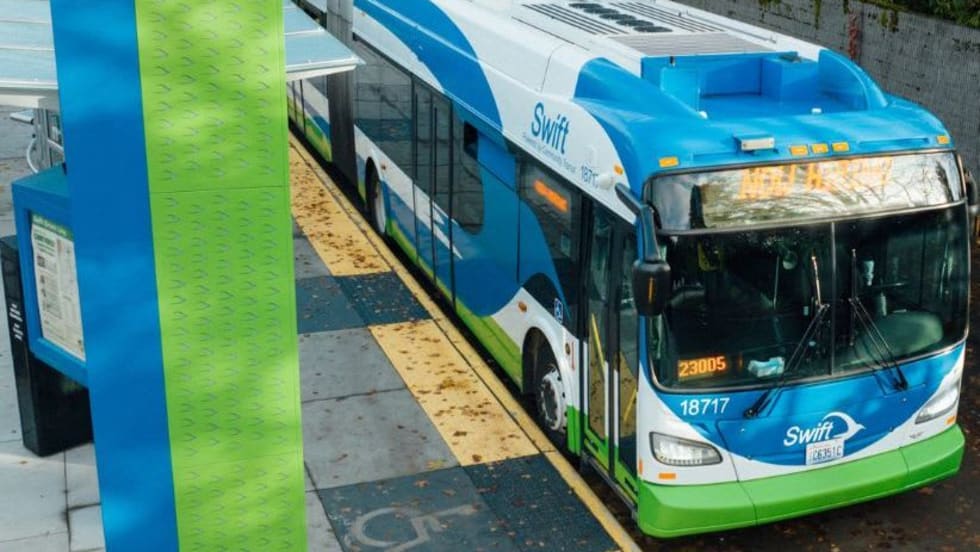
Washington's Community Transit Sets Six-Year Roadmap for Growth, Expansion
Approved TDP targets more bus service, new mobility options, Swift BRT expansion, and a potential Everett Transit annexation.
Read More →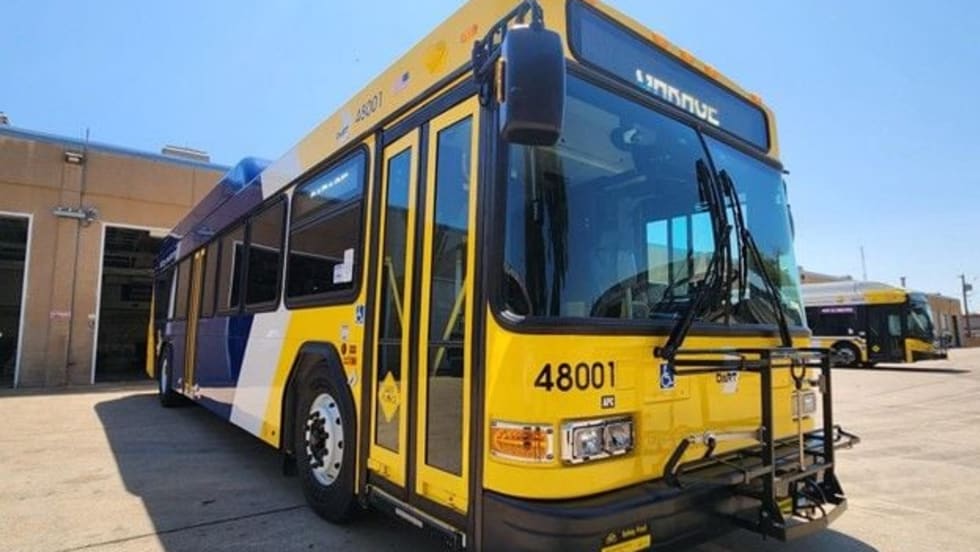
DART Customer Satisfaction Reaches Six-Year High
Overall satisfaction rose to 74.9%, while the agency’s Net Promoter Score reached a record 33.7.
Read More →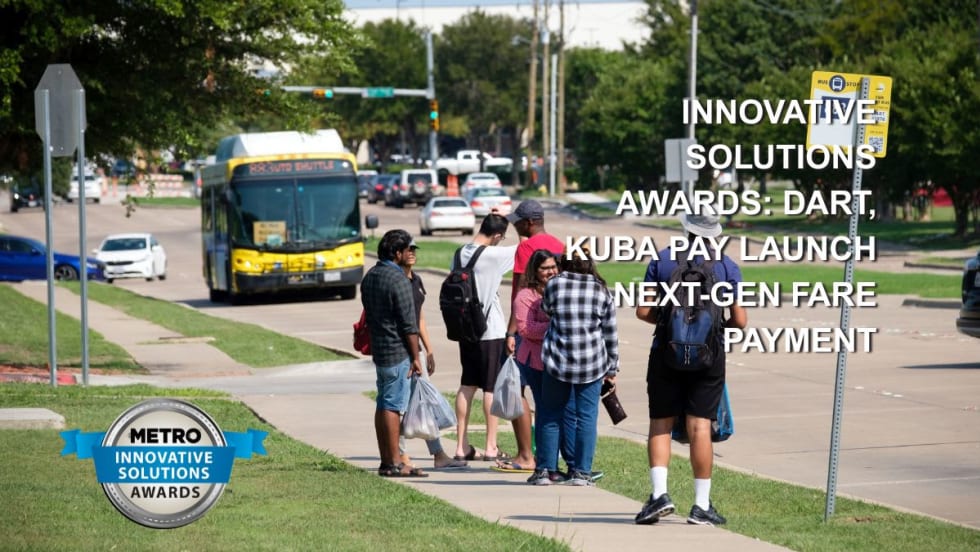
How DART's GoPass Is Redefining Regional Mobility
Serving 14 transit agencies, GoPass simplifies multimodal travel by allowing riders to plan, pay for, and manage an entire trip through one app.
Read More →
Biz Briefs: OCTA Taps Clean Energy for Hydrogen Station, Stadler to Supply Via Rail Vehicles, and More
From manufacturers and suppliers to transit agencies and motorcoach operators, these updates offer a snapshot of the projects, partnerships and business moves driving the industry forward.
Read More →
METRO Magazine Announces 2026 Innovative Solutions Awards Winners
Projects Recognized for Advancing Mobility Through Technology, Accessibility, Workforce Innovation, and Operational Excellence
Read More →
Biz Briefs: STV teams with Amtrak, Motorcoach Operators Boost Fleet and Land Contracts, and More
From manufacturers and suppliers to transit agencies and motorcoach operators, these updates offer a snapshot of the projects, partnerships and business moves driving the industry forward.
Read More →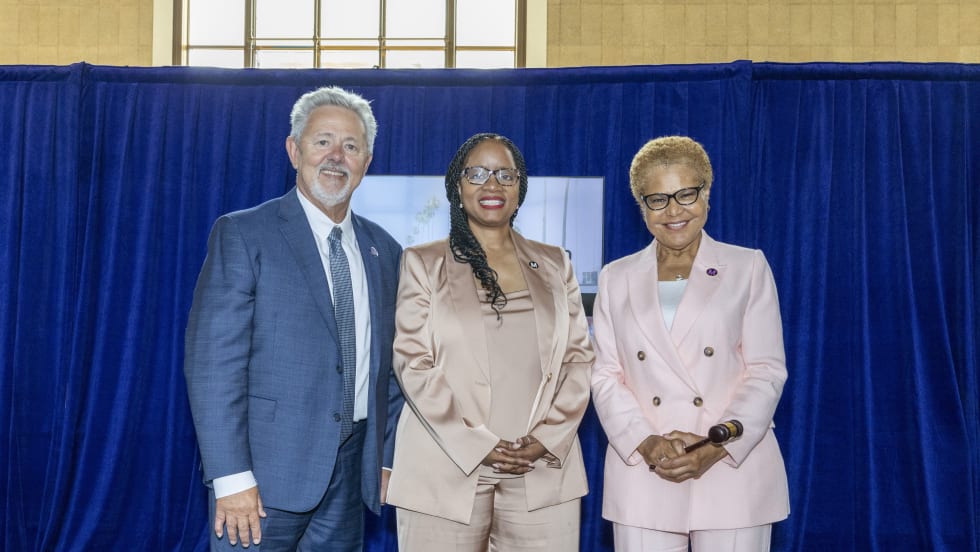
LA Metro Marks Banner Year, Sets Ambitious Goals for New Fiscal Year
Incoming LA Metro Board Chair and Los Angeles Mayor Karen Bass joined outgoing Board Chair Fernando Dutra and LA Metro CEO Stephanie Wiggins to review accomplishments from fiscal year 2026, which included the opening of new rail extensions, advancement of major transit projects, expanded safety programs, and new rider amenities.
Read More →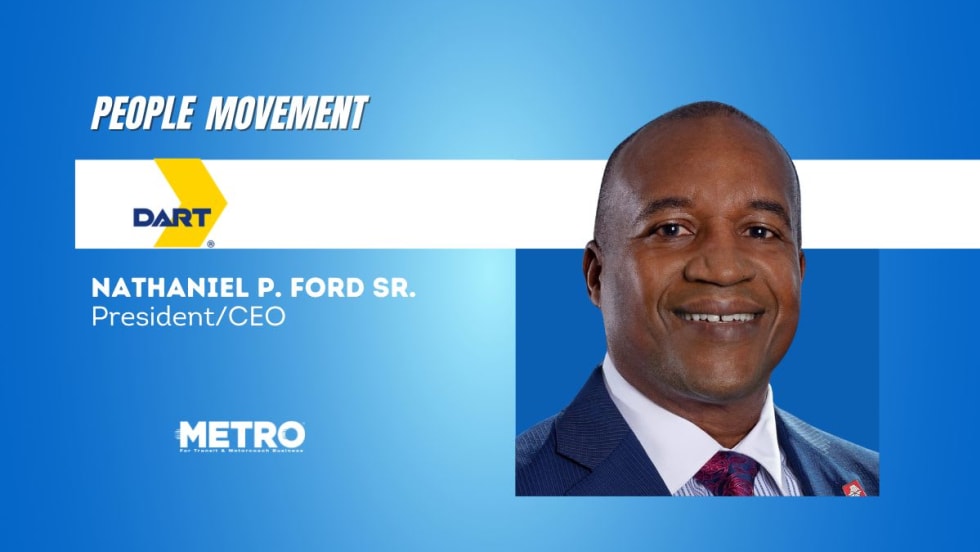
DART Taps Nathaniel P. Ford Sr. as Next President/CEO
Since 2012, Ford has served as the CEO of the Jacksonville Transportation Authority
Read More →
AC Transit’s Cecil Blandon on Building the Next Generation of Transit Maintenance Leaders
The agency’s maintenance chief discusses leadership, workforce development, zero-emission technology, and preparing technicians for the future of public transportation.
Read More →
Building the Next Generation of Transit Technology
In this edition of METROspectives, Luminator CEO Magnus Friberg discusses the company's transformation, the growing role of AI and software, and what's next for transit technology.
Read More →