
Metro Magazine

 MENU
MENU SEARCHMENUSEARCH
Loading data...
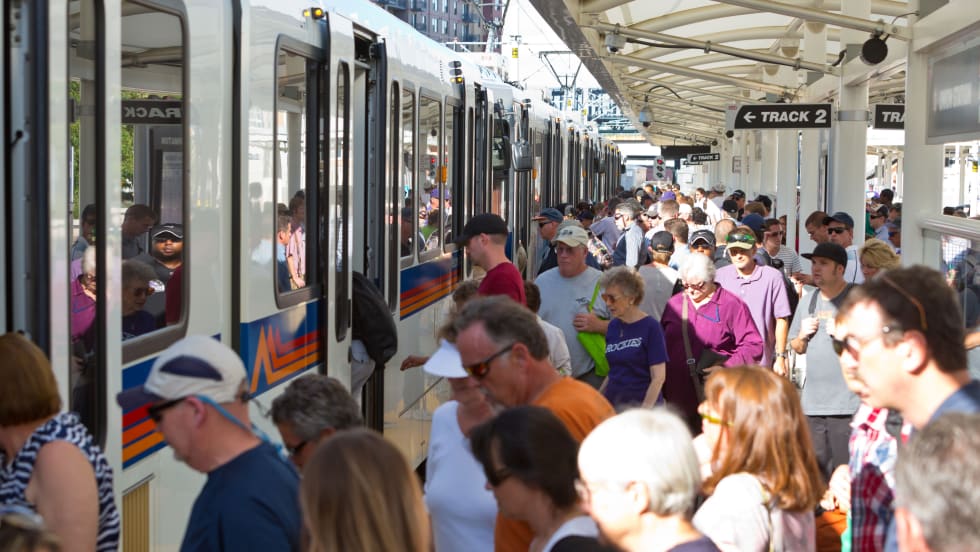
Curbed looked to cities around the world for inspiration and sought feedback from urban thinkers.
Read More →
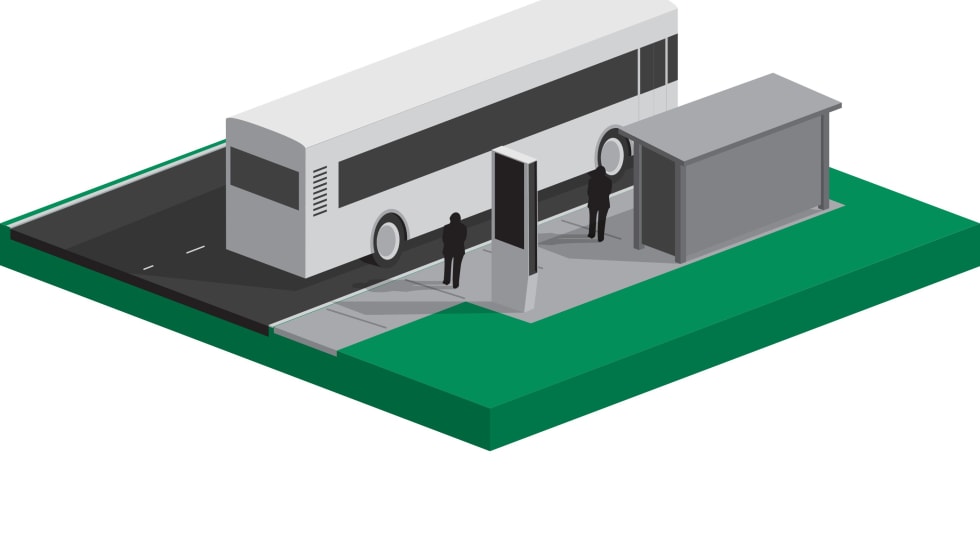



According to a study, low-income workers who commuted by car had 30 times the access to jobs than those who took public transit. The advent of ridesharing and bikesharing could close the gap.
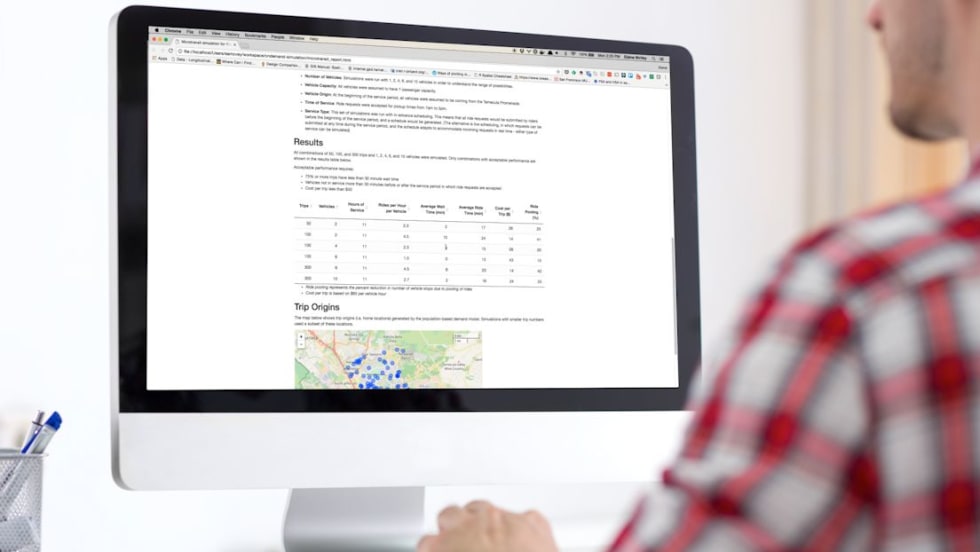
Read More →The simulator helps transit agencies determine successful approaches to enhancing fixed-route services with new flexible transit alternatives to better serve their communities.
Read More →Transit systems move millions of people each day, getting us to where we need to go, influencing our moods, and shaping our collective stories. But, faced with fluctuating ridership, uncertain budgets, and the sky-high expectations of a digital savvy customer — open app, get car — how can centuries-old transit systems keep up?
Read More →Unlike Uber or Lyft, Metro's plan would provide vans instead of cars and pick-ups would include more than one person.
Read More →The University of Waterloo research used social media analytics, algorithms, and computer simulation to match would-be carpoolers with people driving to work.
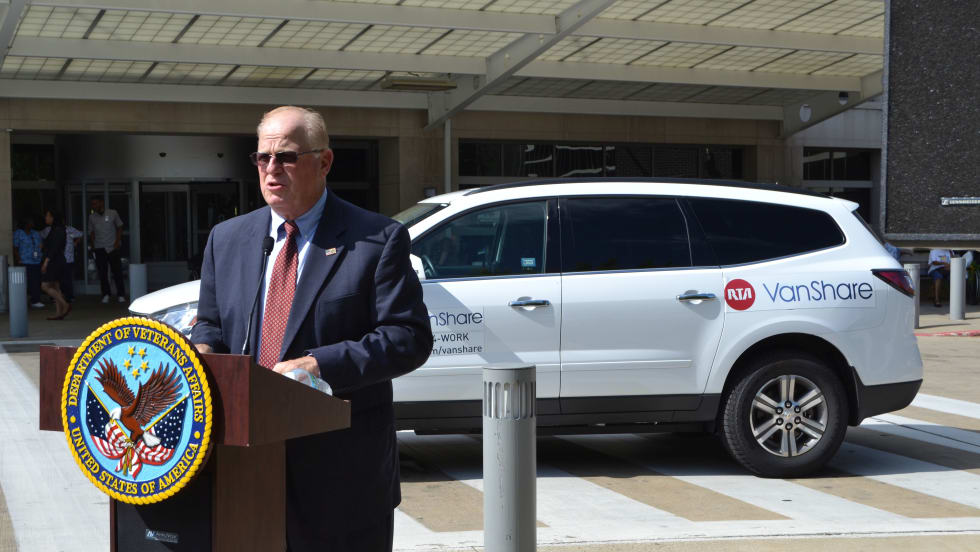
Read More →The cost-neutral program called VanShare is open to those drivers and riders who are residents of Cuyahoga County, or who have a destination in Cuyahoga County.
Read More →While the U.S. narrative included innovation and disruptive change in transport, the prominence and status of the public transport operator was clearly so much weaker in terms of dominating urban thinking.
Read More →The town will subsidize a portion of the fare for all trips taken by residents, while offering additional subsidies for rides going to and from transit hubs.
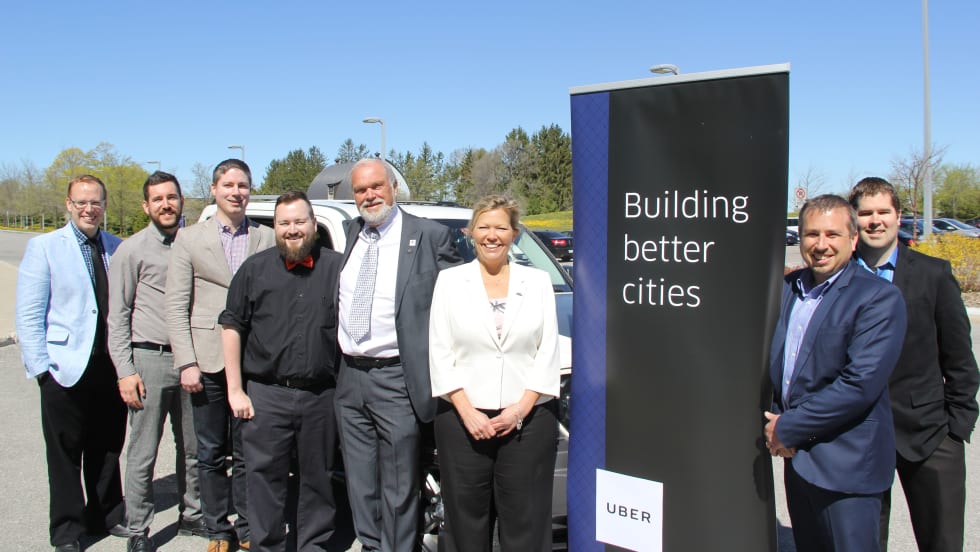
Read More →Now, when an Uber rider marks a transit stop as a final destination, a card will pop up showing departure times for various modes of transportation.
Read More →