




RELATED: U. of Waterloo team creates winning transit routing app
Study finds compatibility key to ridesharing success
The University of Waterloo research used social media analytics, algorithms, and computer simulation to match would-be carpoolers with people driving to work.
July 6, 2017
2 min to read
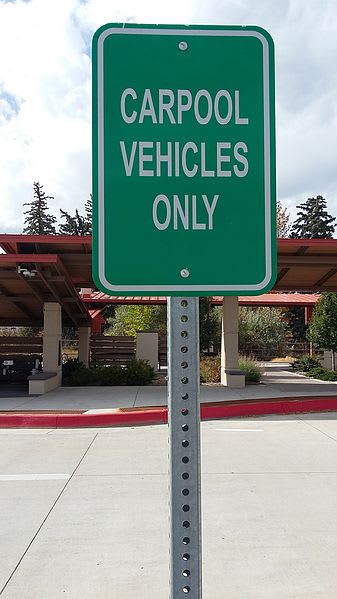
Ensuring that would-be carpoolers are riding with people they like could potentially decrease car usage by nearly 60%, research from a professor at Canada’s University of Waterloo has found.
The research, recently published in Transportation Research Part C, used social media analytics, algorithms, and computer simulation to match would-be carpoolers with people driving to work.
“Usually carpooling is about just matching people depending on geographical location and time of schedule,” said Bissan Ghaddar, professor of management engineering at Waterloo and author of the study. “We wanted to include the social aspect into the equation, because it’s always awkward when there is silence in the car, especially if it’s a long commute. We believed that we really needed to look at the social aspect, and our initial data analysis agreed with us.”
In compiling the study, Ghaddar worked with colleagues at IBM and two universities in Italy to analyze the Twitter feeds of potential carpoolers, looking for insights into their personal interests.
They then examined the users’ social circles to see if they followed like-minded friends or sought out people with different views and fed that information into a computer algorithm designed to match carpoolers based on their geo-tagged location, time preferences, and personalities.
As a final step, they simulated the impact of their matchmaking using real-world data from Rome and San Francisco. They found that if carpoolers are compatible, people’s satisfaction significantly increased and car use dropped by 57% in Rome and by 40% in San Francisco.
“This could be a system that could put a dent in gridlock, reduce pollution and make commuting to work more enjoyable,” said Ghaddar. “As a carpooler myself, I can’t overestimate the importance of compatibility.”
More New Mobility

From Hardware to Digital Partner: Luminator Charts Its Next Chapter
CEO Magnus Friberg discusses Luminator’s shift toward becoming a digital partner, the growing importance of software and interoperability, and how AI can help agencies improve operations and passenger experience.
Read More →
Biz Briefs: Alstom Lands Canadian Contract, LYT to Supply California TSP, and More
In METRO's latest installment, we take a look at recent news from Complete Coach Works, Beep, FlixBus, and more partnerships making headlines across the transportation sector.
Read More →
CharterUP’s Armir Harris on Technology, AI, and the Future of Group Mobility
In a recent episode of METROspectives, CharterUP Founder/CEO Armir Harris discussed the company’s evolution from an online charter bus marketplace into a technology platform supporting public- and private-sector mobility and much more.
Read More →
Jacksonville’s NAVI Project Charts a New Course for Autonomous Public Transportation
Through its NAVI program, JTA is showing how autonomous vehicles, intelligent infrastructure, and coordinated operations can work together to deliver everyday public transportation.
Read More →
Biz Briefs: Luminator Marks Milestone and More
From manufacturers and suppliers to transit agencies and motorcoach operators, these updates offer a snapshot of the projects, partnerships and business moves driving the industry forward.
Read More →
New Tricks for Old Bureaucracies: Joshua Schank on Making Transit Innovation Stick
Former LA Metro Chief Innovation Officer Joshua Schank discusses why good ideas aren't enough, how transit agencies can overcome resistance to change, and why today's challenges demand more innovation.
Read More →
How DART's GoPass Is Redefining Regional Mobility
Serving 14 transit agencies, GoPass simplifies multimodal travel by allowing riders to plan, pay for, and manage an entire trip through one app.
Read More →
Biz Briefs: OCTA Taps Clean Energy for Hydrogen Station, Stadler to Supply Via Rail Vehicles, and More
From manufacturers and suppliers to transit agencies and motorcoach operators, these updates offer a snapshot of the projects, partnerships and business moves driving the industry forward.
Read More →CharterUP Expands Into New Mobility and Autonomous Transportation
Vice President of New Mobility Stephen Joos discusses how CharterUP is leveraging its nationwide transportation network, technology platform, and autonomous vehicle partnerships to expand into workforce mobility, campus shuttles, and transit solutions.
Read More →
METRO Magazine Announces 2026 Innovative Solutions Awards Winners
Projects Recognized for Advancing Mobility Through Technology, Accessibility, Workforce Innovation, and Operational Excellence
Read More →