
Metro Magazine

 MENU
 SEARCHMENUSEARCH
Loading data...

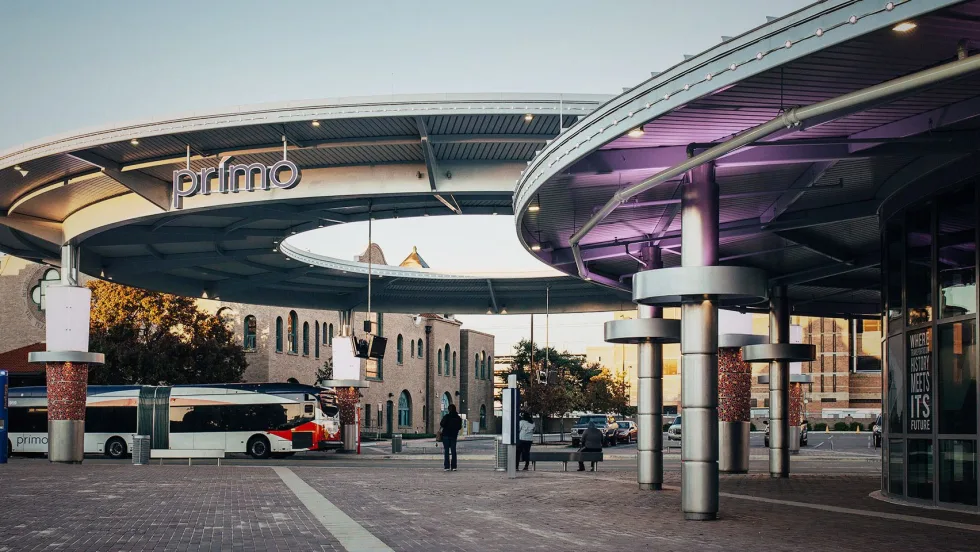
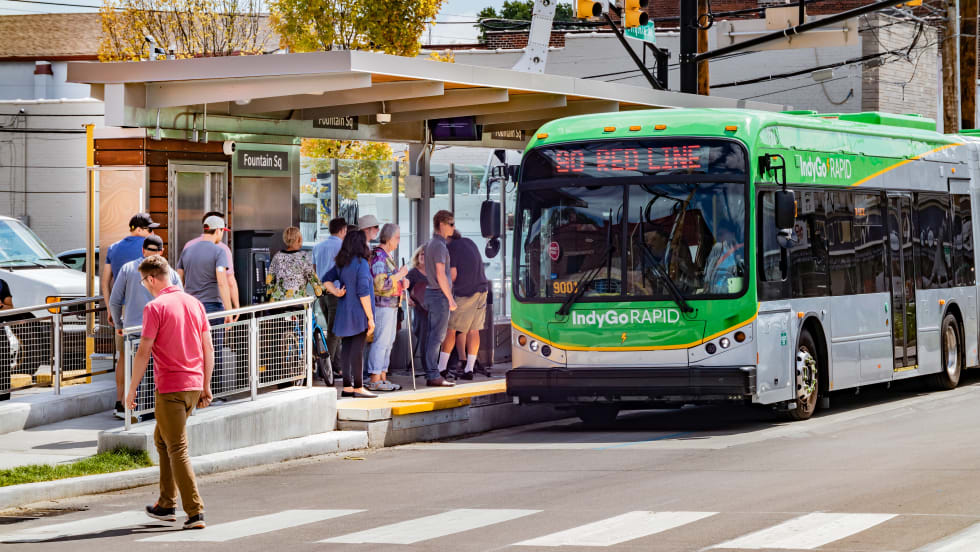
The 16-mile BRT line, which began passenger service in April 2014, includes over five miles of dedicated lanes, 16 station locations, and four park-and-ride lots. It serves major activity centers, including two hospitals, two universities, numerous trade schools, city and county government centers, and employment centers, along with major shopping, hospitality and entertainment venues.
Read More →



The buses will be assembled at its Upstate New York plant and delivered in the fall of 2012.
Read More →BRT represents a significant enhancement from traditional bus service, and capital costs can be as little as $10 million per mile.
Read More →They join Alex Roman to discuss BRT, COVID-19, mobility, and more.
Read More →Additionally, Red Line BRT ridership was 6% higher in January than in December.
Read More →Arizona launches BRT. Bus-only lane benefits outweigh parking woes. Gov. Doyle seeking high-speed rail stimulus funding.
Read More →Jackson speaks about the success of LTD’s BRT system and the changing face of the public transit industry as it increasingly looks to a “complete trips” mobility model.
Read More →World Resources Institute’s analysis confirms that BRT is the only option that would work locally to fight global warming, with a medium-investment system cutting carbon dioxide emissions by almost 9,000 metric tons per year, equivalent to taking about 1,600 cars off the road.
Read More →The funding will help build out the West Valley Connector BRT project.
Read More →Free transit included in 2010 Olympics tickets. Salt Lake City mayor: streetcars a priority. Northern Florida considering BRT.
Read More →